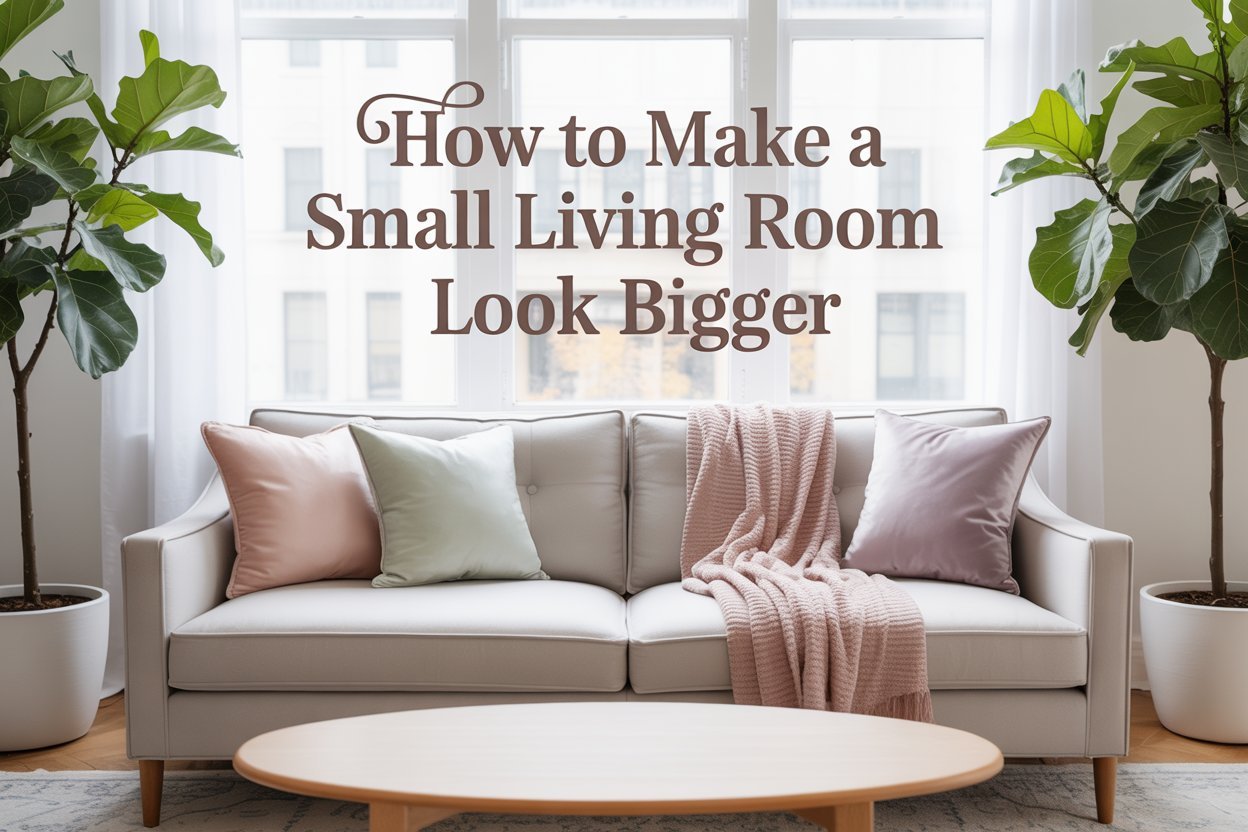
Having a small living room doesn’t mean you have to compromise on style or comfort. With the right strategies, you can make your space feel more open, airy, and inviting—without knocking down walls. From smart furniture choices to clever color schemes, these 11 game-changing ideas will help your small living room look and feel bigger than it actually is.
Whether you’re in a city apartment, a cozy cottage, or a starter home, these tips are practical, easy to implement, and perfect for maximizing every inch of your space.
1. Choose Light and Neutral Colors
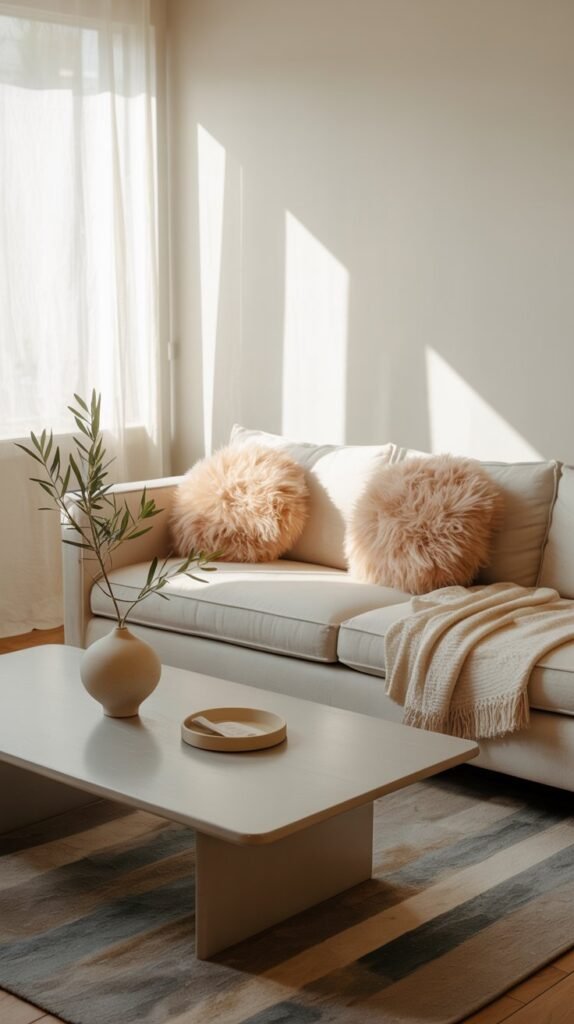
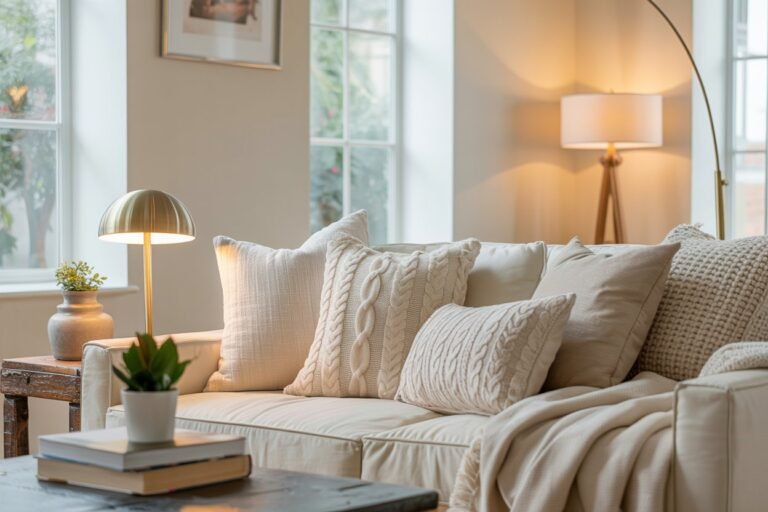
Walls, ceilings, and even furniture in light, neutral tones instantly make a room feel larger. Whites, creams, soft grays, and pastel hues reflect natural light, giving the illusion of more space.
Tips:
- Paint walls a soft off-white or pale gray.
- Use light-colored rugs, curtains, and upholstery.
- Avoid dark colors on large surfaces—they tend to make rooms feel smaller.
Pro Tip: Adding subtle pops of color through accessories like throw pillows or artwork keeps your living room from feeling flat.
2. Use Mirrors Strategically
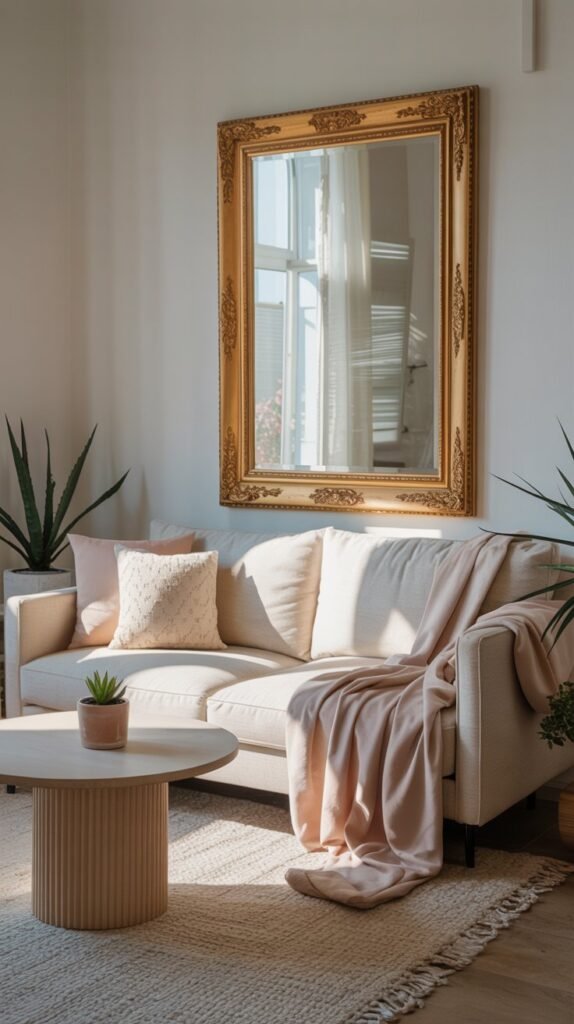
Mirrors are a classic trick to visually expand a small room. They reflect light and give the impression of depth.
Tips:
- Hang a large mirror opposite a window to bounce sunlight around the room.
- Consider mirrored furniture or decorative wall panels for extra dimension.
- Floor-to-ceiling mirrors create the illusion of height.
3. Opt for Multi-Functional Furniture
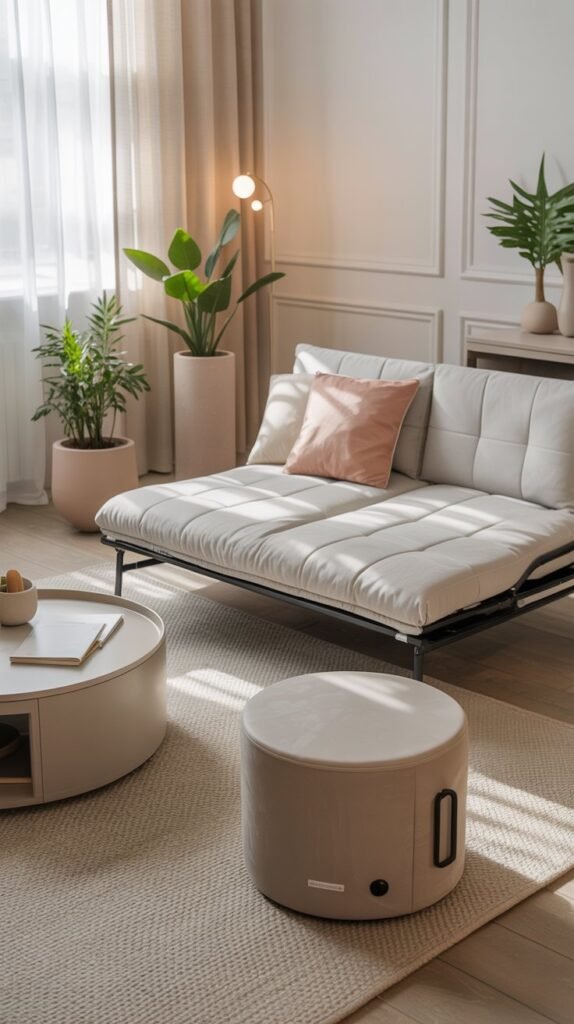
In a small living room, every piece of furniture should earn its place. Multi-functional furniture maximizes space and reduces clutter.
Ideas:
- Storage ottomans or benches that double as seating.
- Coffee tables with hidden storage compartments.
- Sofa beds or sectional sofas with built-in storage.
Pro Tip: Choosing furniture with clean lines and raised legs creates an airy feel, making the floor space appear larger.
4. Keep Your Layout Open
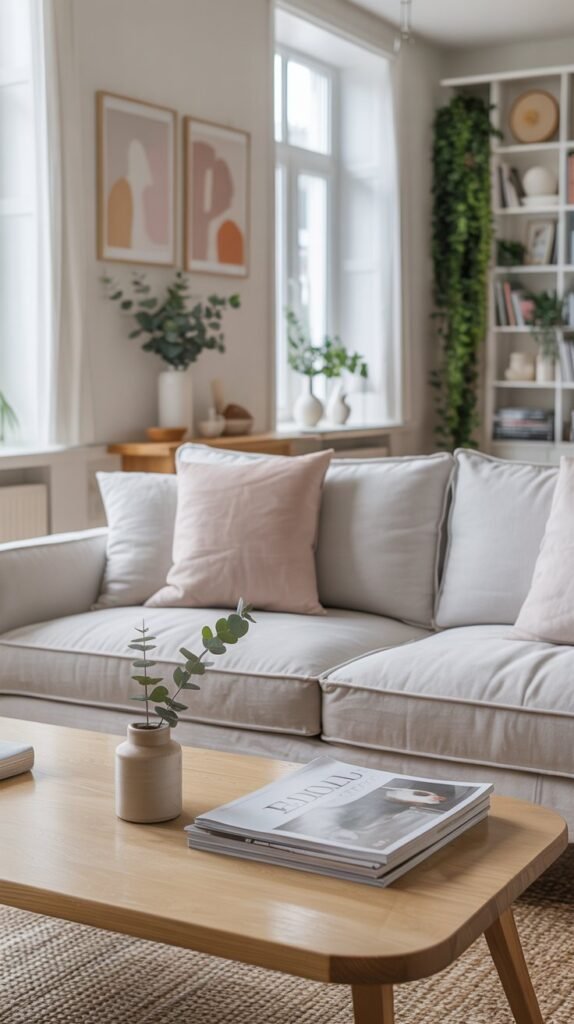
Crowded furniture can make a small living room feel cramped. An open layout improves flow and creates a sense of spaciousness.
Tips:
- Float furniture away from walls instead of pushing everything against them.
- Leave enough space between pieces for easy movement.
- Avoid oversized furniture that overwhelms the room.
5. Use Vertical Space
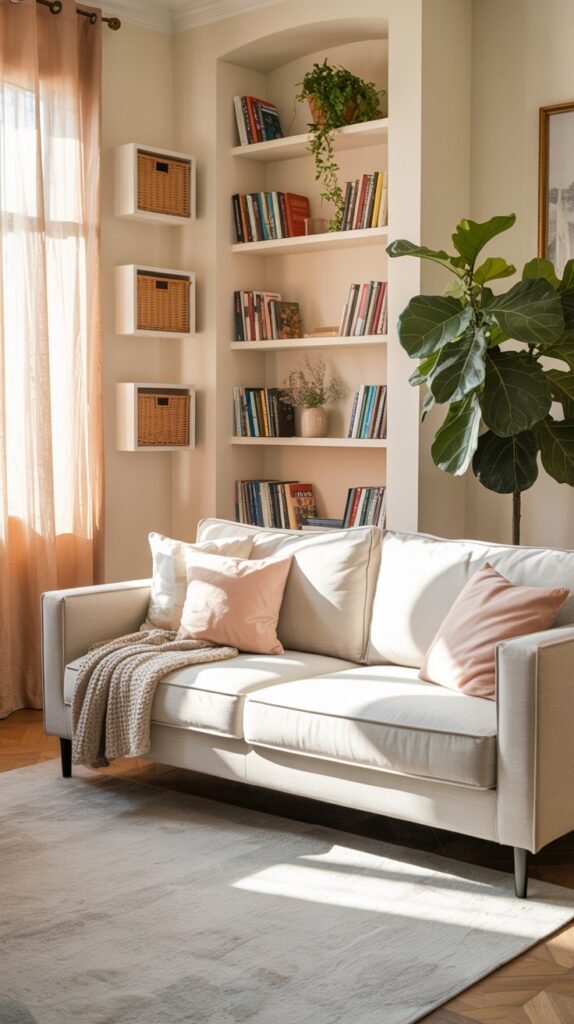
When floor space is limited, think vertically. Drawing the eye upward makes a room feel taller.
Ideas:
- Install tall bookshelves or wall-mounted storage.
- Hang curtains closer to the ceiling rather than right above the window frame.
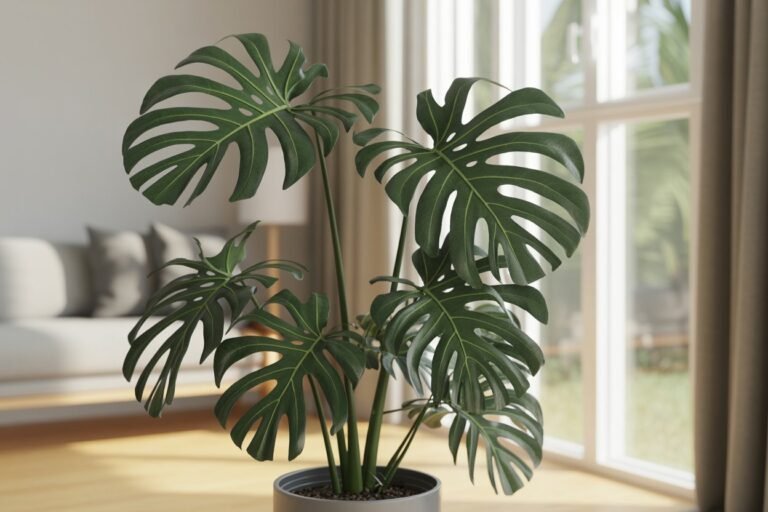
- Use tall plants or decorative elements to add height.
6. Incorporate Glass and Lucite Furniture
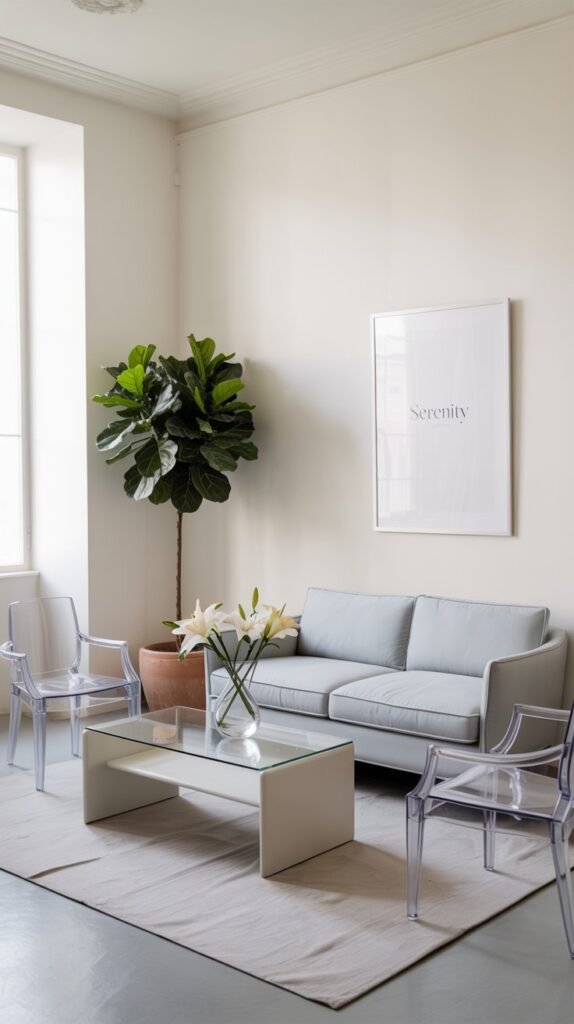
Transparent furniture adds style without visually cluttering a space.
Tips:
- A glass coffee table or acrylic chairs maintain openness.
- Avoid chunky, opaque pieces that block sightlines.
- Mix transparent pieces with solid ones for balance and depth.
7. Maximize Natural Light
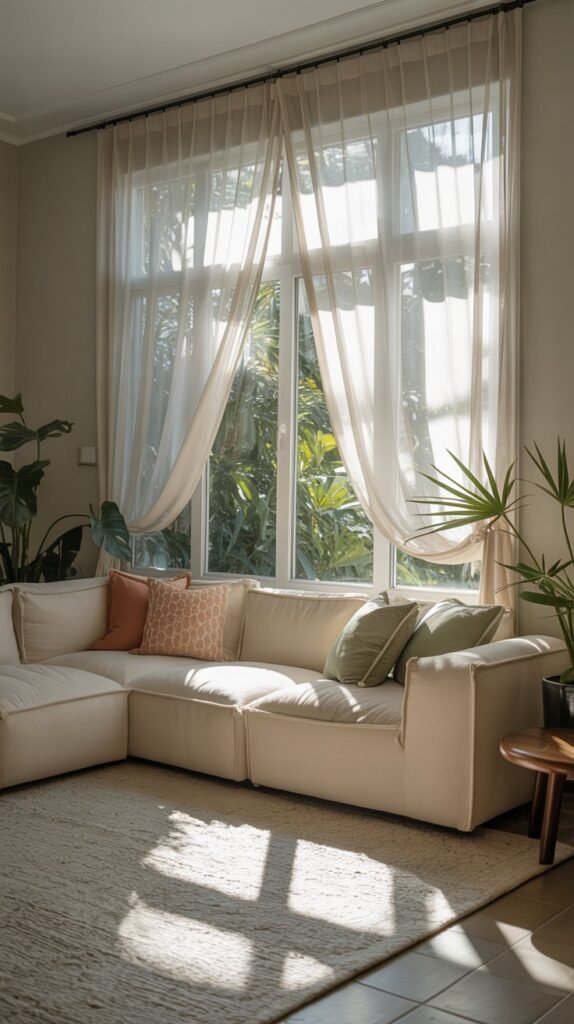
Light-filled rooms feel larger and more welcoming.
Tips:
- Keep window treatments minimal—sheer curtains or blinds work best.
- Clean windows regularly to allow maximum light.
- Add reflective surfaces, like mirrors or metallic accents, to amplify light.
8. Use Rugs to Define Areas
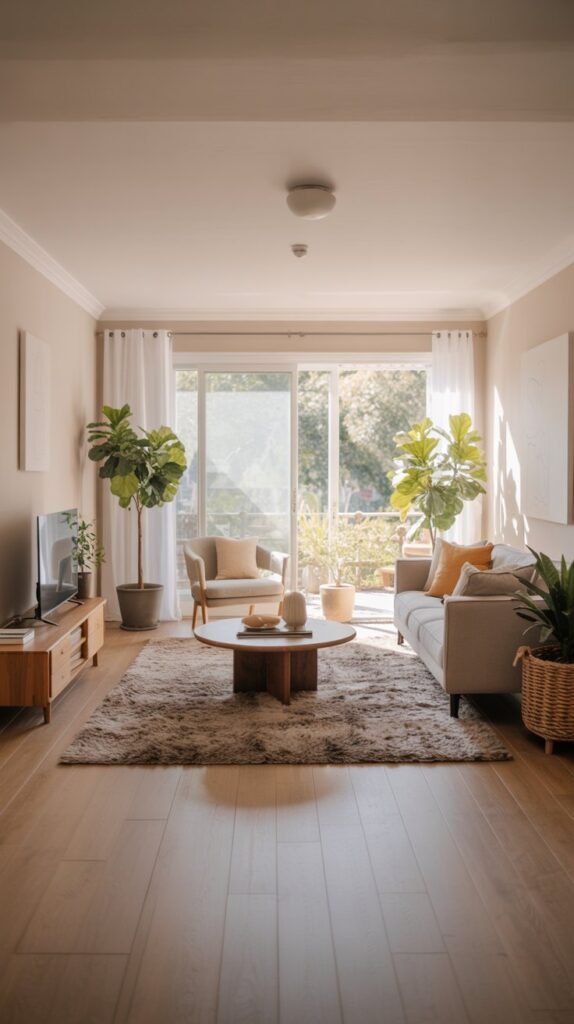
Rugs can create the illusion of more space by defining zones and drawing the eye across the room.
Tips:
- Choose light or neutral rugs to maintain an open feel.
- Use one large rug instead of multiple small ones to unify the space.
- Position rugs under furniture legs to anchor the area without breaking it up.
9. Choose Minimalist Décor
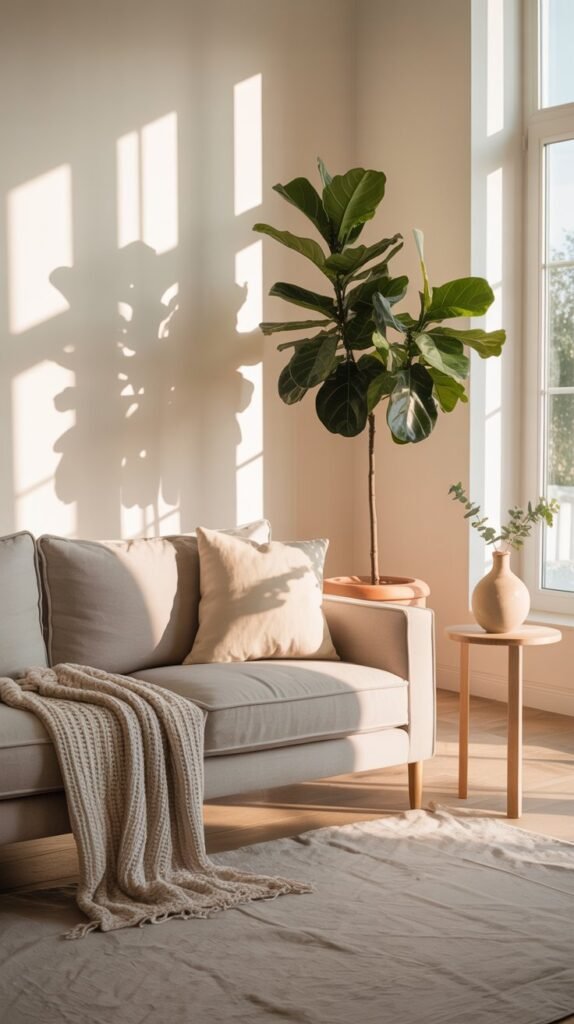
Less is more in a small living room. Clutter-free décor opens up the space visually.
Tips:
- Limit decorative items to a few statement pieces.
- Opt for floating shelves instead of bulky cabinets.
- Store items out of sight using baskets or hidden storage furniture.
10. Add Strategic Lighting
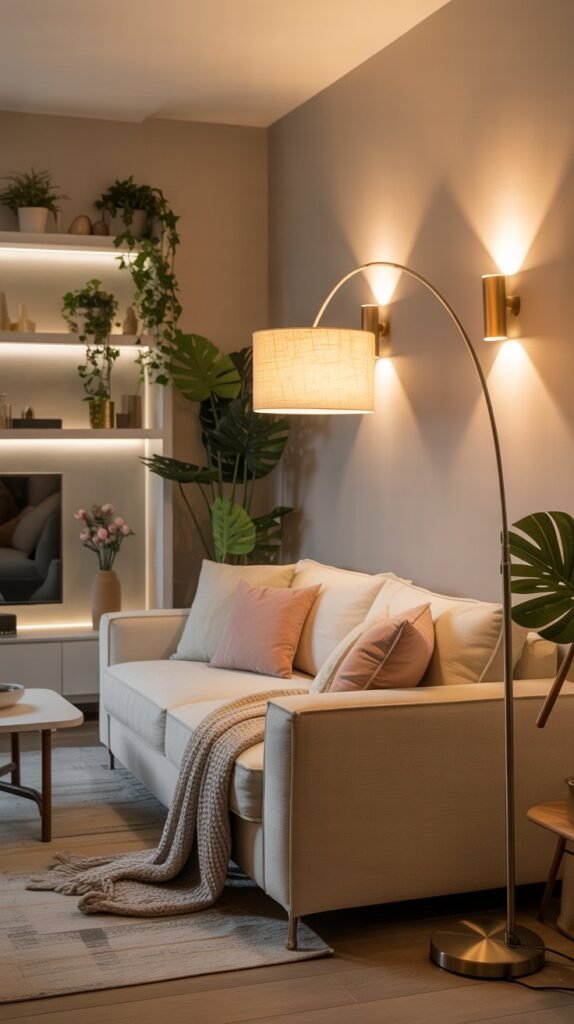
Layered lighting makes a small room feel cozy yet spacious.
Ideas:
- Use wall sconces or floor lamps to free up tabletop space.
- Consider LED strip lighting behind furniture or shelves for a subtle depth effect.
- Combine overhead lighting with accent lights for dimension.
11. Keep the Floor Visible
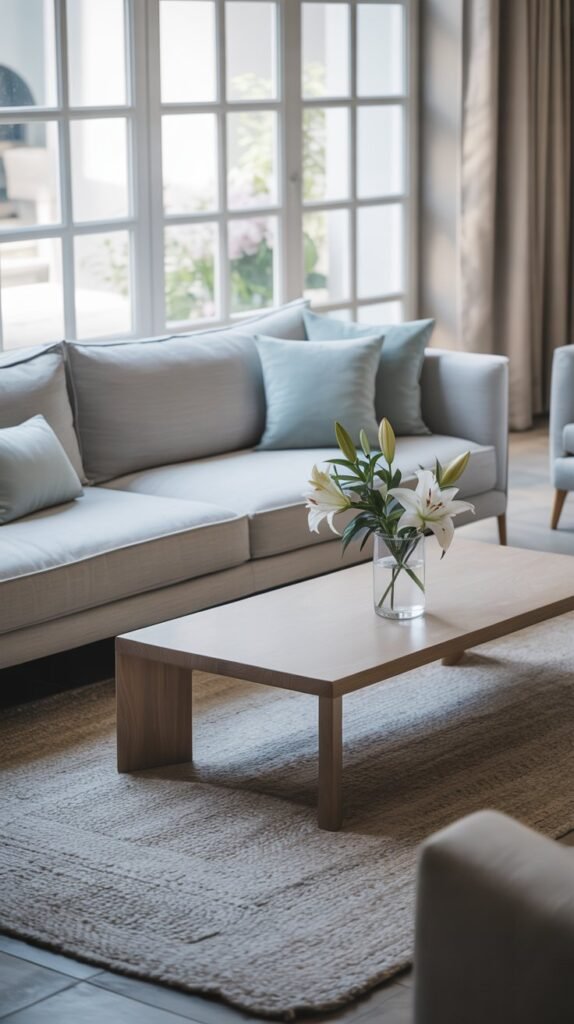
When the floor is mostly visible, the room feels bigger and more open.
Tips:
- Use low-profile furniture.
- Avoid heavy rugs that cover too much floor.
- Keep pathways clear to encourage movement and flow.
Pro Tip: Hosting friends or entertaining in a small space is easier when furniture placement allows for open walkways.
Final Thoughts
A small living room doesn’t have to feel cramped or limiting. By choosing light colors, using mirrors, maximizing vertical space, and selecting smart furniture, you can create a living room that’s stylish, functional, and visually spacious.
And remember: the foundation matters, too. If you’re thinking about sharing your design ideas on a blog or showcasing your home online, having fast, reliable hosting like Hostinger ensures your photos, design posts, and website load quickly and look professional. With plans starting at $2.99/month, it’s easy for anyone to start sharing their home inspiration with the world.
With these 11 game-changing ideas, your small living room will feel bigger, brighter, and more welcoming in no time.