If you have ever tried making candles at home, you have probably come across essential oils as the go-to option for fragrance.
But here is the truth I discovered early on. Essential oils are not the only way to scent candles, and in many cases, they are not even the best option.
They can be expensive, inconsistent in scent throw, and sometimes disappointing when the candle is actually burned.
I remember making my first batch with essential oils, expecting a strong relaxing aroma, only to end up with a candle that barely smelled.
That is when I started experimenting with alternatives, and honestly, some of them worked even better.
If you want to make candles that smell amazing without relying on essential oils, I will walk you through exactly how to do it using simple, beginner-friendly methods that actually work.
Why You Might Want to Avoid Essential Oils
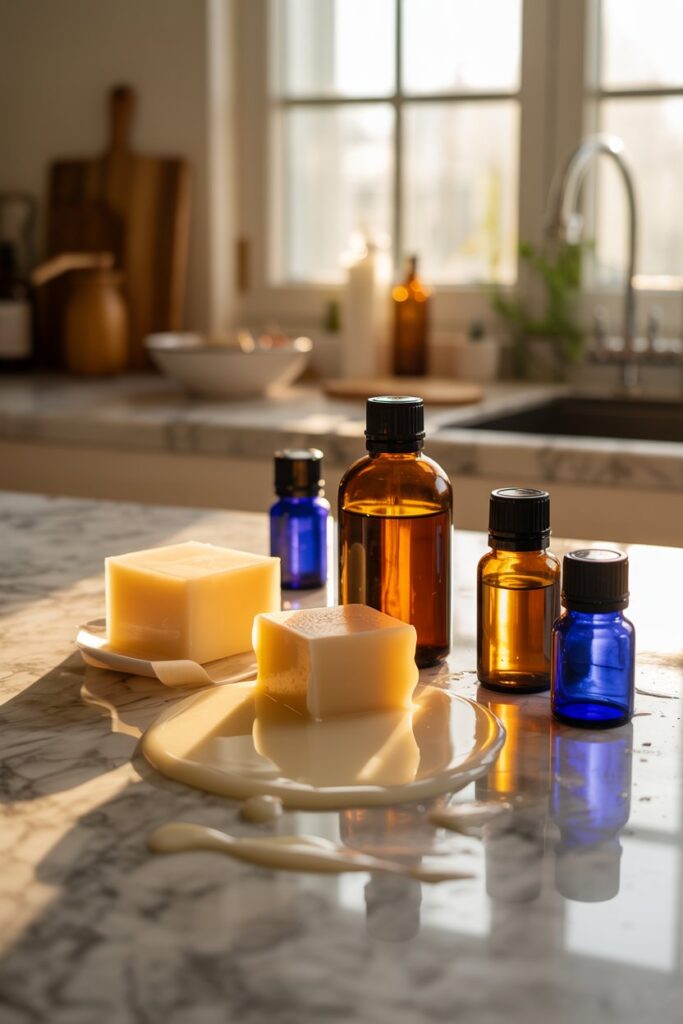
Before we get into the alternatives, it helps to understand why many DIY candle makers move away from essential oils.
The biggest issue is performance. Essential oils are natural, but that does not always translate well when heated in wax. Some scents fade quickly, while others do not throw scent effectively when the candle is lit.
They are also more expensive compared to other options, especially if you are making candles regularly or planning to sell them.
Another thing I noticed is that not all essential oils are designed for high heat. When used in candles, they can lose their original scent profile or become very subtle.
That does not mean they are useless, but if your goal is a strong, noticeable fragrance, there are better and more reliable options.
The Best Alternatives to Essential Oils for Candle Scenting
Once you stop limiting yourself to essential oils, you open up a lot more possibilities.
Here are some of the best options you can use instead.
Fragrance Oils
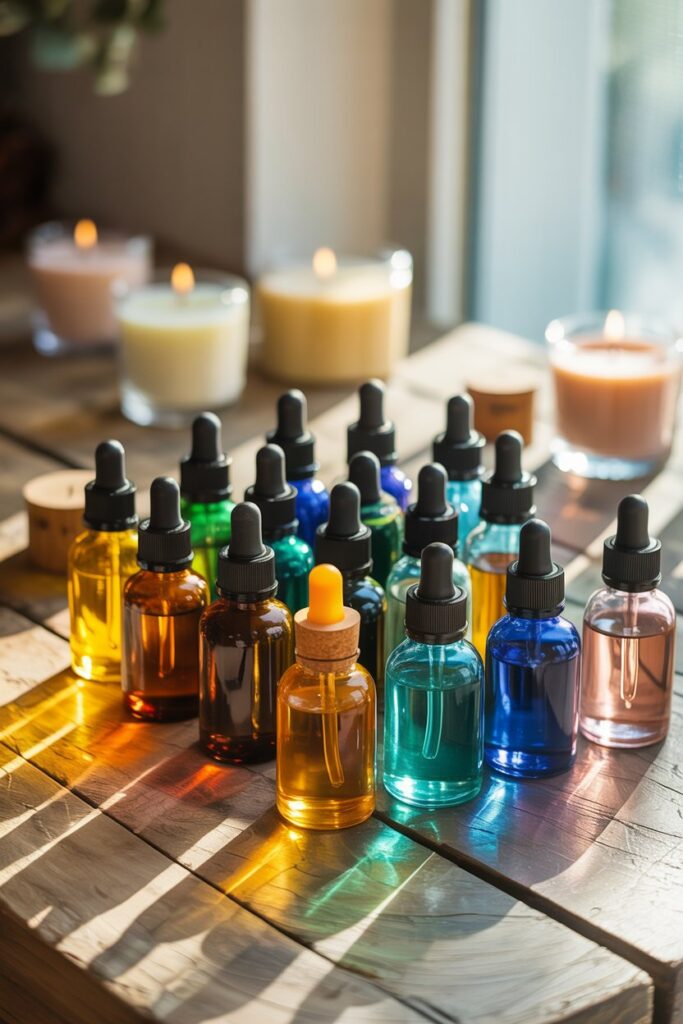
This is the most popular and reliable alternative.
Fragrance oils are specifically designed for candle making, which means they perform much better when heated. They are made to provide a strong scent both when the candle is unlit and when it is burning.
You also get access to a much wider range of scents. From bakery-inspired fragrances like vanilla and cinnamon to fresh and clean scents like linen or ocean breeze, the variety is endless.
If you are serious about making candles that smell strong and consistent, this is usually the best place to start.
Herbs and Spices
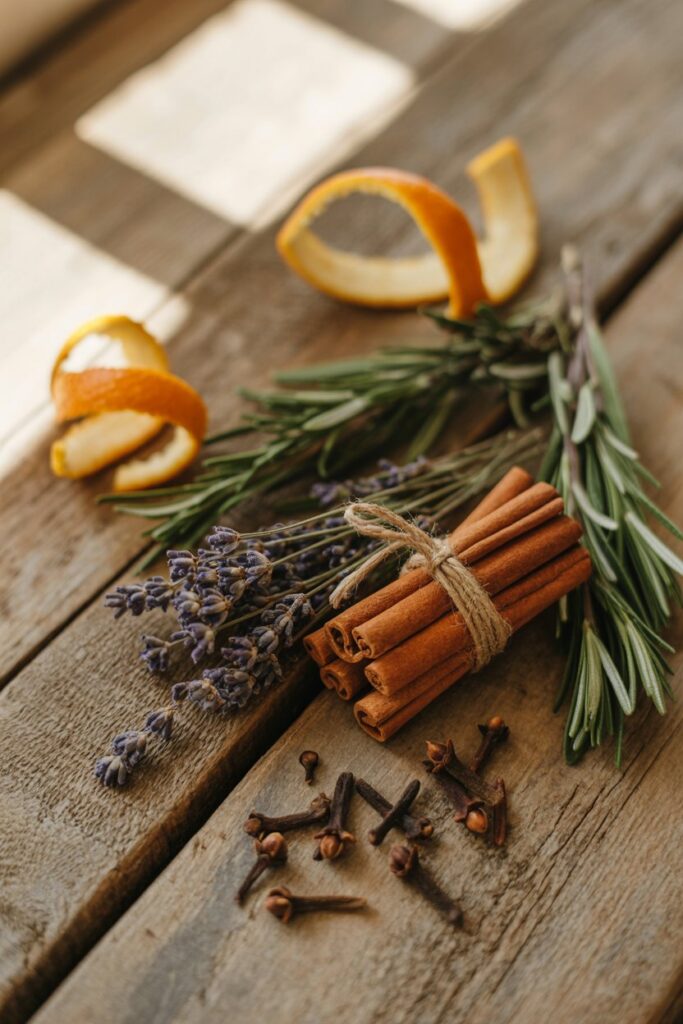
If you prefer a more natural approach, herbs and spices can add a subtle but pleasant scent.
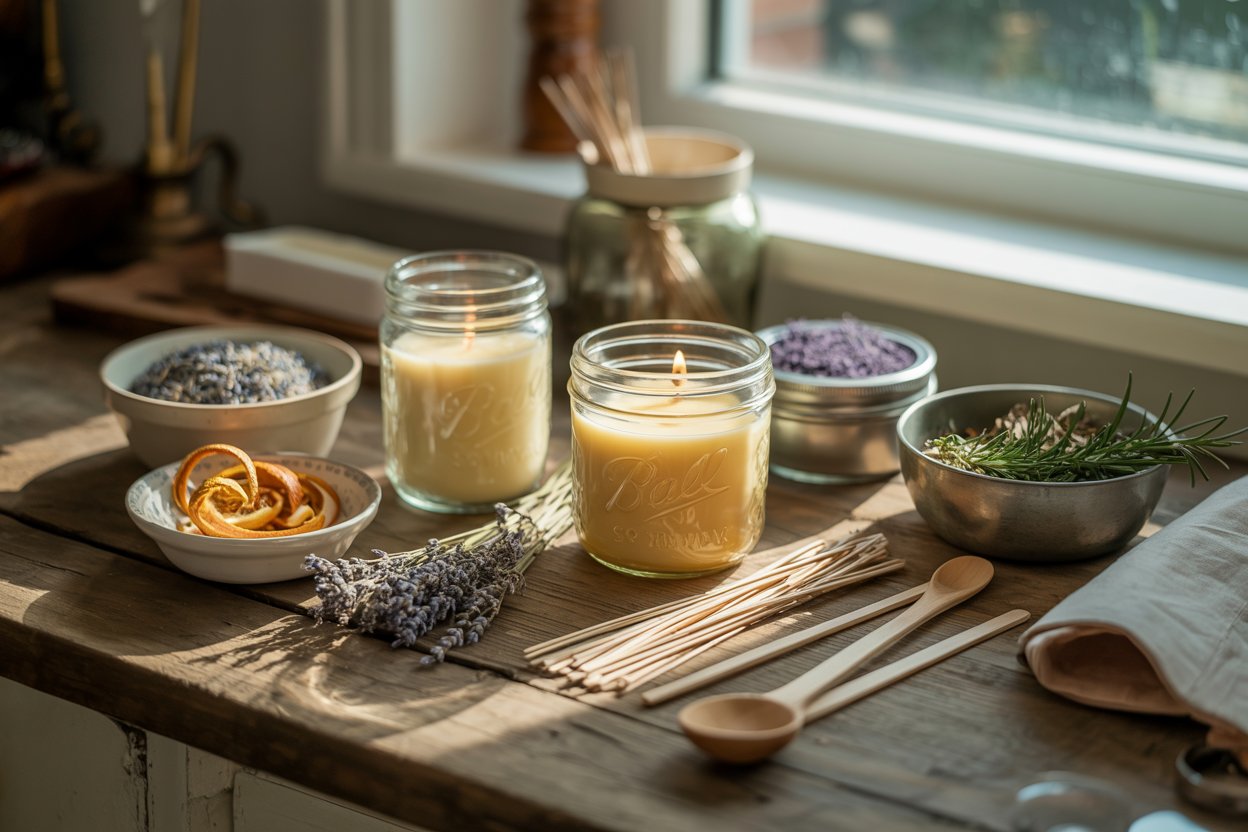
Things like:
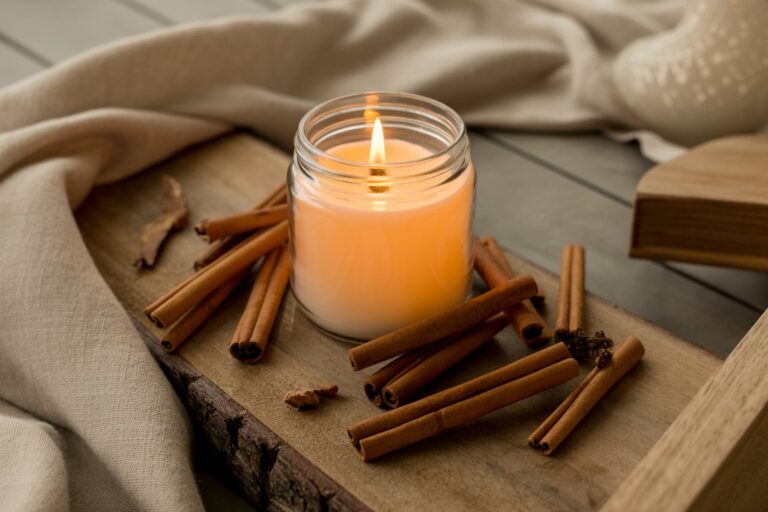
- Cinnamon sticks
- Cloves
- Dried lavender
- Rosemary
- Orange peels
These work best for creating a light background aroma rather than a strong fragrance.
I found that they are great for aesthetic candles or gift candles where appearance matters just as much as scent. Just keep in mind that they do not produce a powerful scent throw on their own.
Citrus Zest and Natural Additions
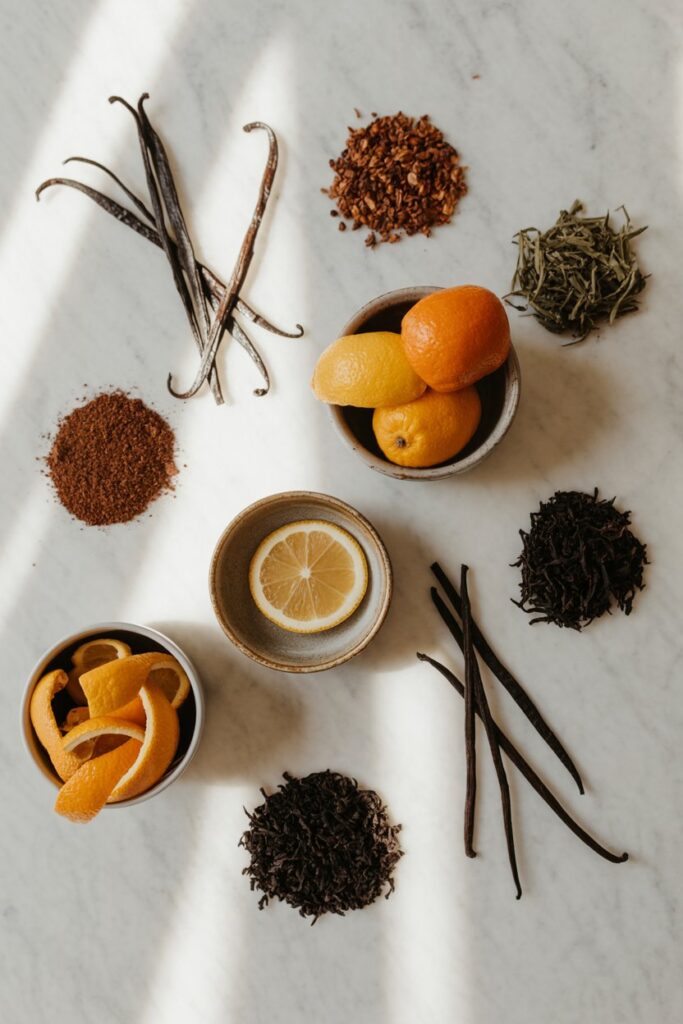
Fresh or dried citrus zest can give your candles a refreshing scent.
Lemon, orange, and lime peels are popular choices. When dried properly, they can be added to wax for a subtle fragrance and a visually appealing finish.
You can also experiment with:
- Coffee grounds
- Vanilla pods
- Tea leaves
These ingredients add character to your candles, even if the scent is not as strong as fragrance oils.
How to Properly Scent Candles Without Essential Oils
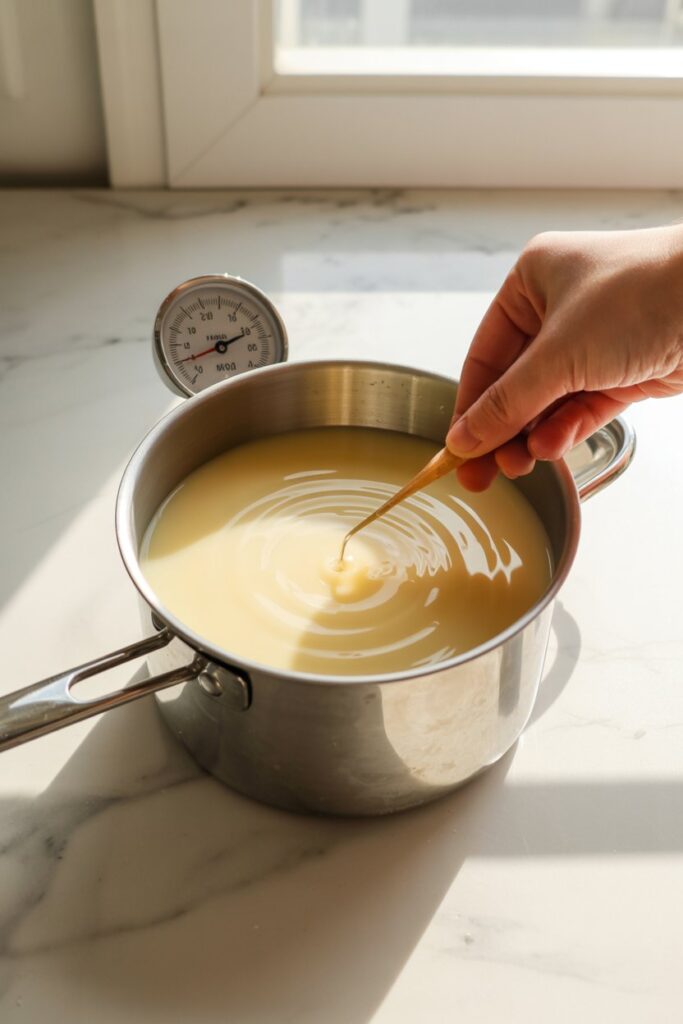
Now that you know your options, the next step is using them the right way.
This is where many beginners go wrong. Even with the best ingredients, poor technique can lead to weak or uneven scents.
Step 1: Choose the Right Wax
Your wax plays a big role in how well your candle holds and releases scent.
Soy wax is one of the most beginner-friendly options because it holds fragrance well and burns cleanly.
Paraffin wax tends to produce a stronger scent throw, while coconut wax offers a more premium finish with good scent performance.
If you are just starting out, soy wax is a safe and reliable choice.
Step 2: Heat the Wax to the Correct Temperature
Temperature matters more than most people realize.
If your wax is too hot or too cool when you add your scent, it can affect how well the fragrance binds to the wax.
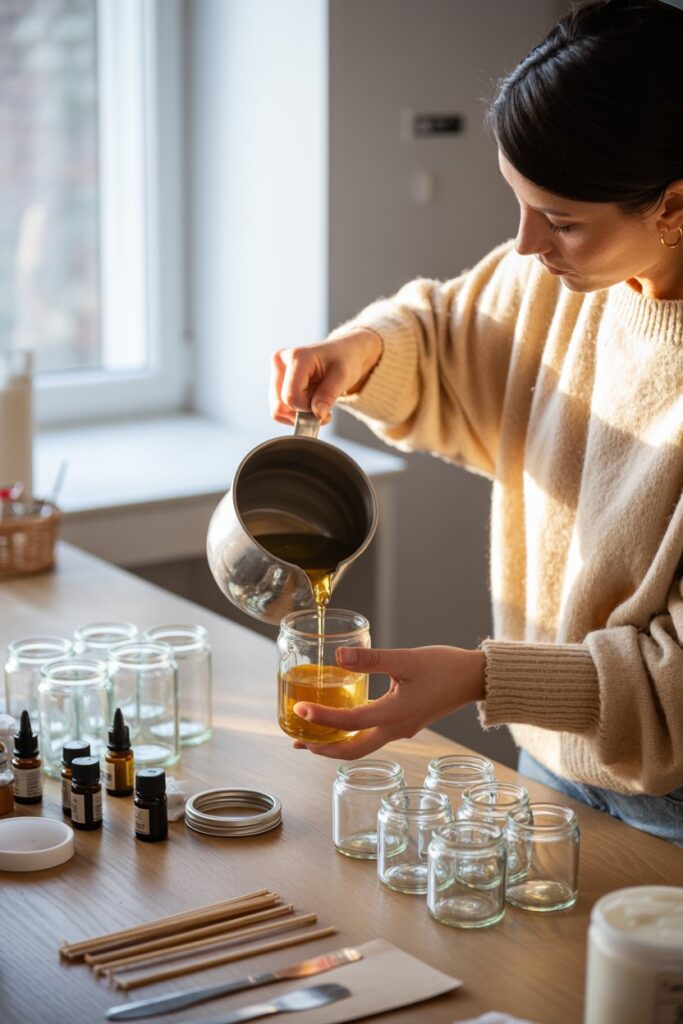
A general rule I follow is to add fragrance oils at around 175 to 185 degrees Fahrenheit. This helps the scent mix properly without burning off the fragrance.
Step 3: Add the Right Amount of Fragrance
Adding too little fragrance will give you a weak candle. Adding too much can actually ruin the consistency.
Most fragrance oils work best at a load of about 6 to 10 percent of the total wax weight.
For example, if you are using 500 grams of wax, you would add about 30 to 50 grams of fragrance oil.
This balance helps you get a strong scent without affecting how the candle burns.
Step 4: Stir Thoroughly and Evenly
Once you add your fragrance, do not rush this step.
Stir the mixture slowly and consistently for at least one to two minutes. This ensures the scent is evenly distributed throughout the wax.
Uneven mixing can lead to candles that smell strong in some areas and weak in others.
Step 5: Let the Candle Cure
This is one step I used to skip, and it made a big difference once I started doing it properly.
After pouring your candle, let it sit and cure for at least 24 to 48 hours. For soy wax, even longer curing times can improve the scent.
Curing allows the fragrance to fully bind with the wax, resulting in a stronger and more consistent scent when burned.
How to Make Your Candles Smell Stronger Without Essential Oils
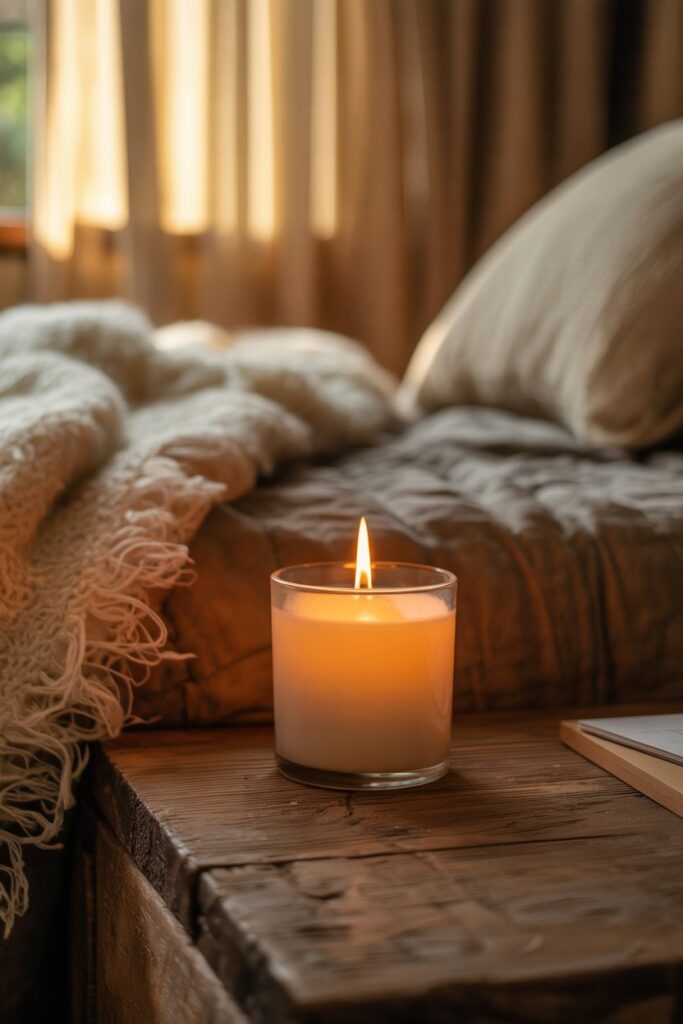
Once you understand the basics, the next step is improving scent strength. This is what separates an average candle from one that actually fills a room.
Strong scent is not just about what you use. It is about how you use it.
Start by choosing high-quality fragrance oils. Not all oils are created equal, and cheaper ones often result in weak scent throw. Look for oils specifically made for candle making.
Next, pay attention to your fragrance load. Staying within the recommended six to ten percent is important. If your wax allows it, you can test slightly higher percentages to find your sweet spot.
Wick size also plays a role. A wick that is too small will not produce enough heat to release the fragrance. A wick that is too large can burn too hot and distort the scent. Testing different wick sizes can make a noticeable difference.
Room size matters too. A small candle may smell strong in a bedroom but weak in a large living space. Matching your candle size to the room helps manage expectations and results.
Common Mistakes to Avoid
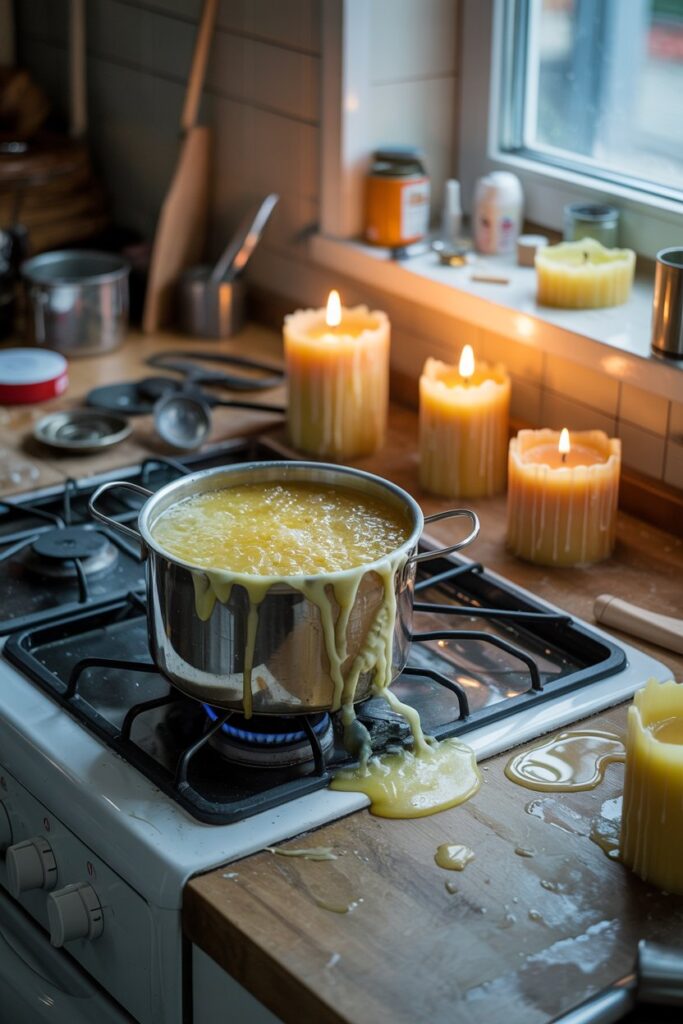
If your candles are not smelling the way you expect, chances are something went wrong in the process. Here are the most common mistakes beginners make:
- Adding fragrance at the wrong temperature. Too hot or too cold, and the scent will not bind properly to the wax
- Using too little fragrance. Even the best oils will produce a weak candle if the load is too low
- Poor mixing. Not stirring thoroughly can create uneven scent distribution
- Skipping curing time. Candles need time to settle so the fragrance can fully integrate with the wax
- Wrong wick size. A wick that is too small will underheat the wax, preventing a proper scent throw
Avoiding these mistakes will save frustration and ensure your candles smell amazing from the first burn.
Tips to Enhance Candle Scent Naturally
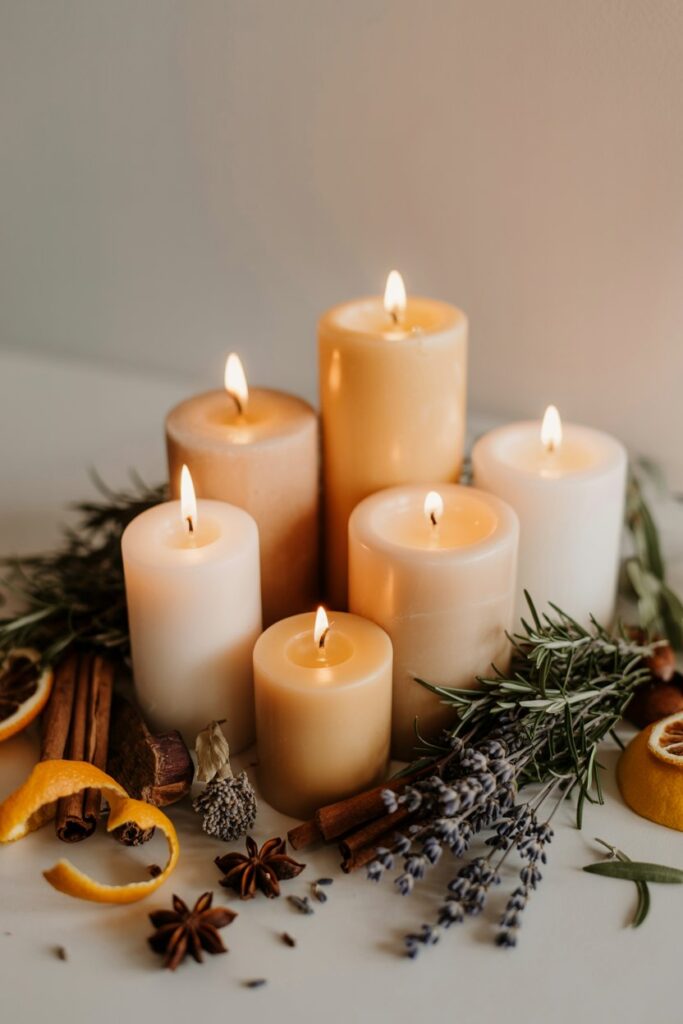
If you want to go beyond fragrance oils, there are natural ways to boost candle aroma:
- Layer scents. Combine compatible herbs, spices, or citrus peels with fragrance oils for depth
- Use high-quality wax. Soy or coconut wax often holds scent better than paraffin
- Increase curing time. Longer curing can make your candle noticeably stronger
- Experiment with additives. Some candle makers use a small amount of vybar or stearic acid to improve scent throw
The key is experimentation. Start small, test your candles, and adjust until you find what works best.
Storing Your Scented Candles
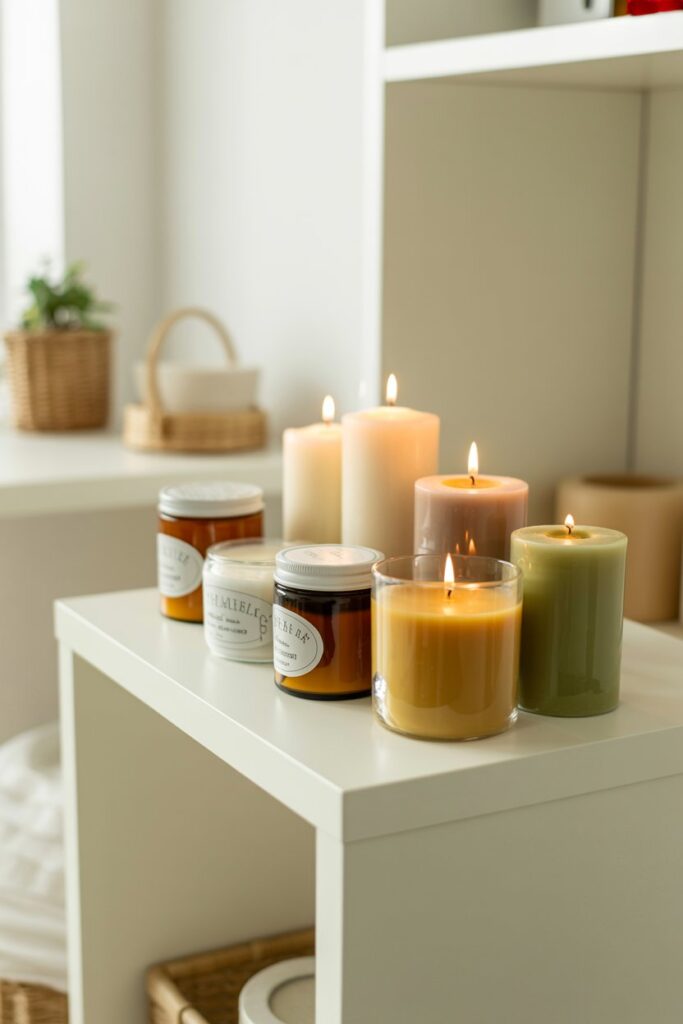
Proper storage ensures your candles maintain their fragrance and quality:
- Keep them in a cool, dark place away from direct sunlight
- Store candles upright to prevent warping
- Cover them with lids or plastic wrap to preserve scent
- Avoid extreme temperatures. Wax can expand or contract, affecting burn quality
By storing them properly, your candles will smell fresh for months, ready to use or sell.
Final Thoughts
Scenting candles without essential oils is completely doable, affordable, and in some cases even more effective.
Fragrance oils, herbs, spices, citrus, and natural additives all offer options that produce beautiful, long-lasting aromas. The most important factors are proper technique, curing time, and attention to detail.
When you combine the right ingredients with proper methods, you can create candles that smell amazing, look professional, and impress anyone who receives or buys them.
Making candles at home should be enjoyable. Experimenting with alternative scents opens up endless creative possibilities. With patience and practice, you can craft scented candles that rival store-bought versions without ever using essential oils.