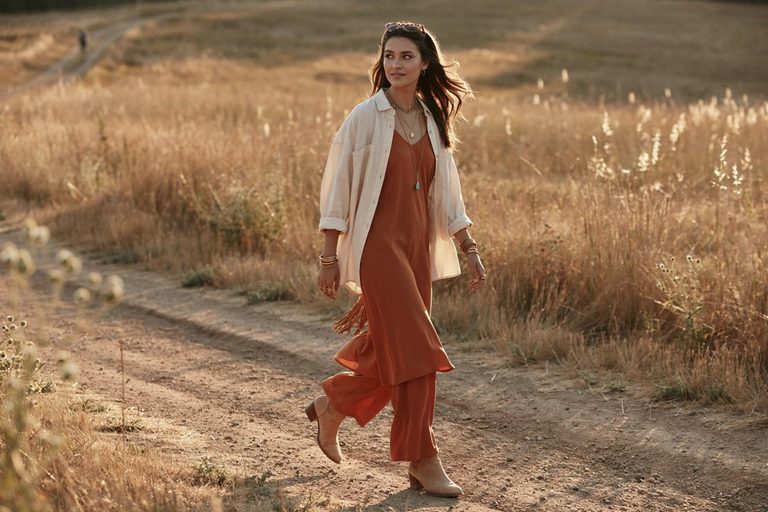
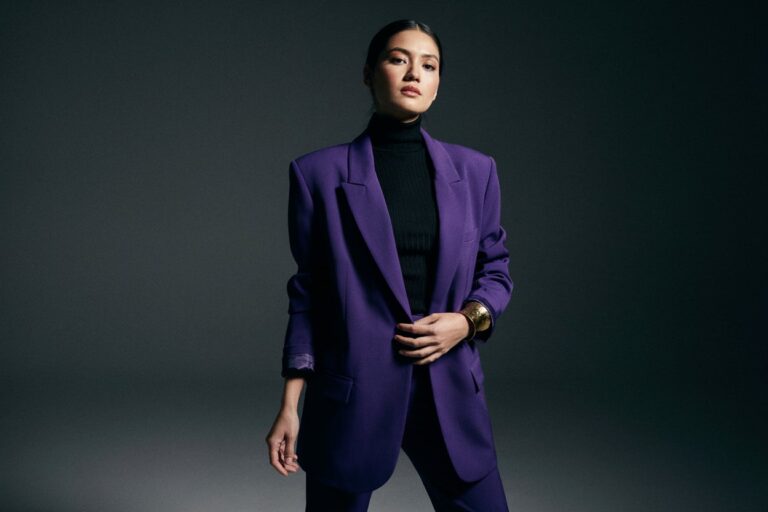
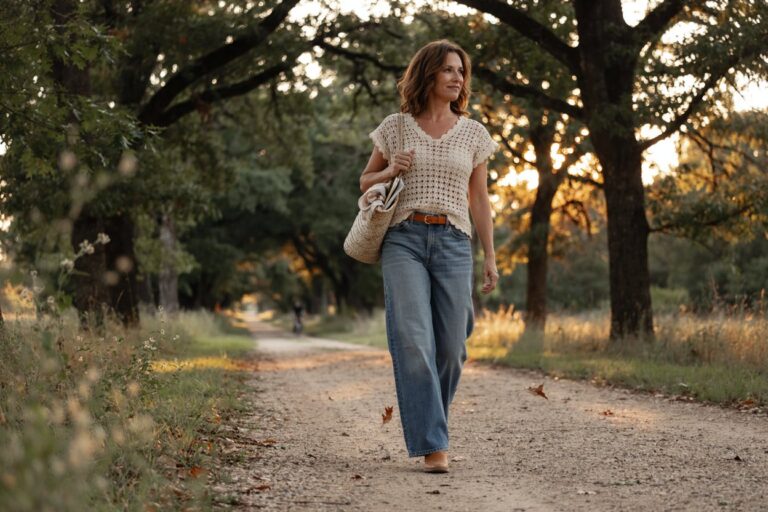
Fall Outfits Over 40: Elegant, Effortless & Age-Appropriate Capsule Wardrobe
A friend of mine turned 42 this year and mentioned, almost as an aside, that she’d stopped buying trend pieces entirely, not because she felt like she had to, but because she genuinely didn’t want the maintenance of a wardrobe that expires every season.
That comment stuck with me, because it’s really the whole idea behind a good capsule wardrobe, less about age and more about wanting your closet to actually work for the life you’re living now.
I want to say upfront that “age-appropriate” is a phrase I use a little reluctantly in that title, since I don’t think there’s a single rule for what a 40-something woman should or shouldn’t wear.
What I do think is true is that style tends to get more confident and more specific with age, less about chasing every trend, more about knowing exactly what you like and building around it. This capsule is built with that in mind, elegant, genuinely wearable, and flexible enough to fit a real range of personal style rather than one narrow look.
If you want more seasonal trend context to layer into this, my fall outfit ideas post and 2026 fashion trends roundup are both good companions to this one.
Why a Capsule Wardrobe Works So Well at This Stage
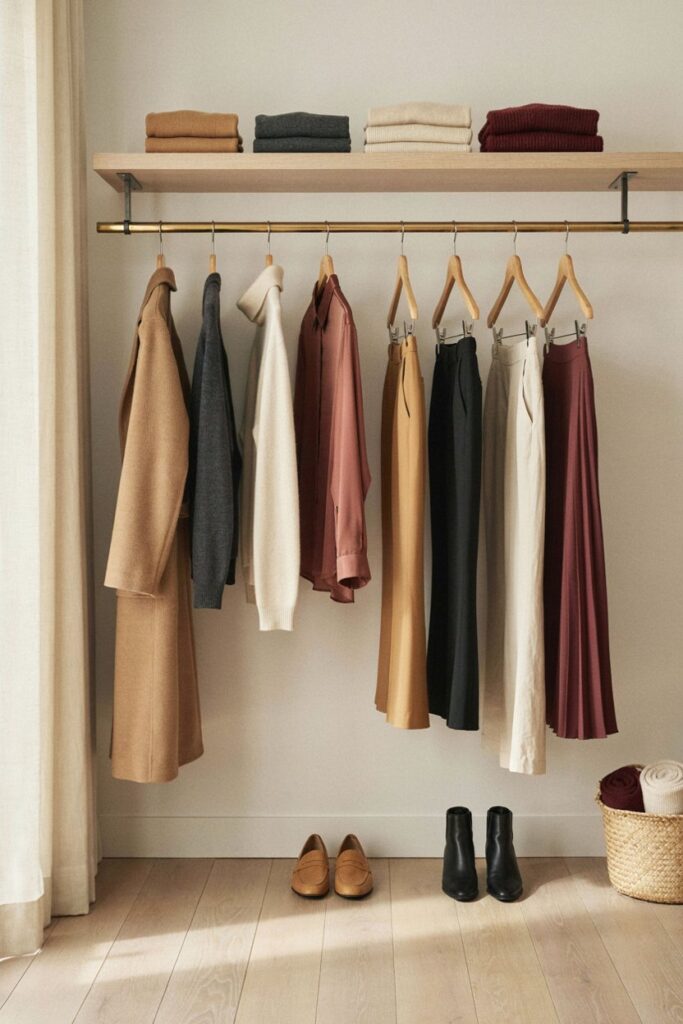
A capsule wardrobe, a small, coordinated set of pieces that all work together, removes the daily decision fatigue of getting dressed. Instead of a closet full of things that don’t quite go together, you end up with a much smaller collection where almost everything pairs with almost everything else.
It also tends to age better, literally. A well-made neutral coat or a good pair of trousers doesn’t look dated the way a fast-fashion trend piece does two years later, which matters more the longer you’ve been building a wardrobe and the less patience you have for buying the same category of item over and over.
And honestly, it just saves money over time. Fewer, better pieces that you actually wear on repeat cost less per wear than a closet full of things bought cheap and rarely touched.
The Core Capsule: 15 Pieces
Outerwear
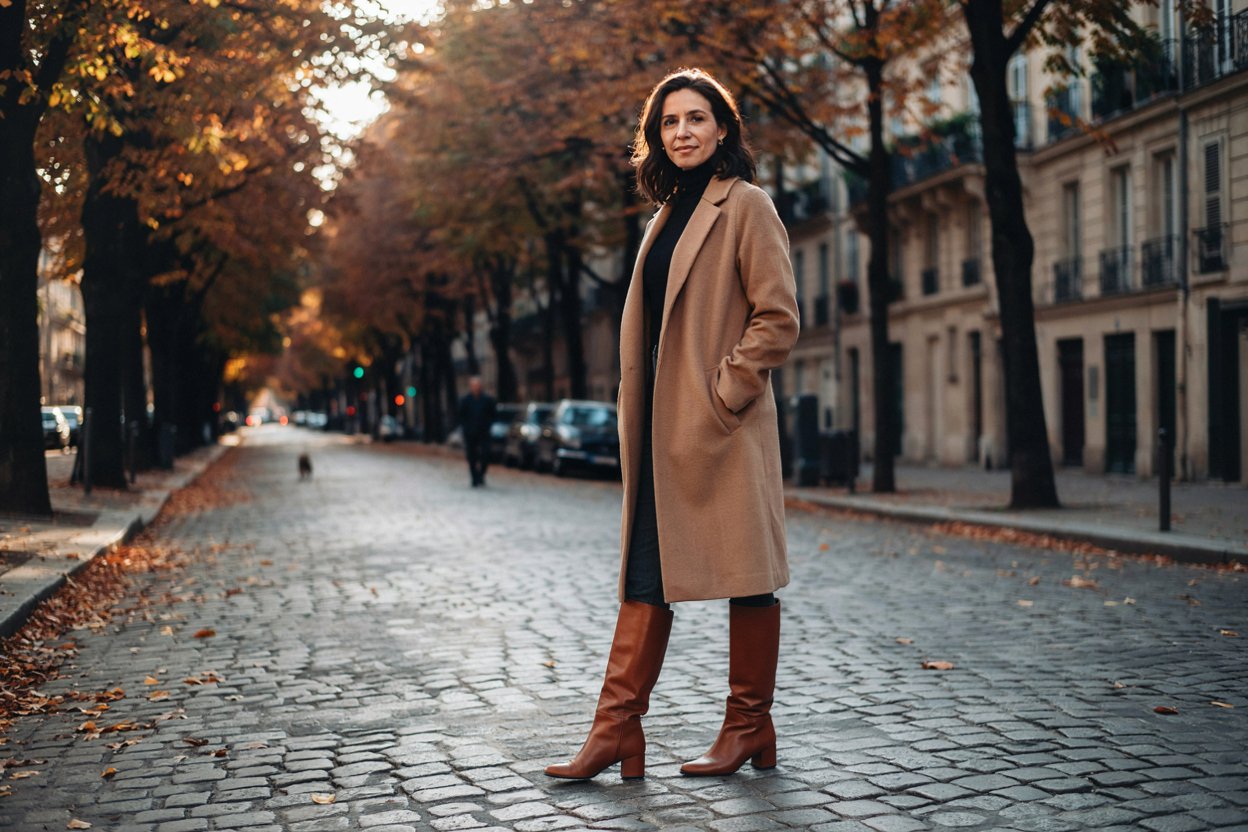
- A camel or charcoal wool coat, knee-length or longer
- A quilted or lightly structured vest, for layering on milder days
- A trench or lightweight jacket, for transitional weather
Tops
- A cashmere or high-quality knit crewneck, in a neutral
- A fitted turtleneck, black or cream
- A relaxed button-down blouse, white or a soft neutral
- A chunky, oversized cardigan
Bottoms
- A well-fitted pair of dark wash jeans
- Tailored wide-leg or straight trousers, in a neutral
- A midi skirt, either knit or a structured fabric
Dresses
- A knit midi dress, versatile enough for both casual and slightly dressier occasions
- A shirt dress, for an easy, put-together option with almost no effort
Shoes
- Knee-high or ankle boots, in leather
- A pair of loafers or clean flats
- One dressier heel or block heel, for occasions that call for it
How to Build Outfits From This Capsule
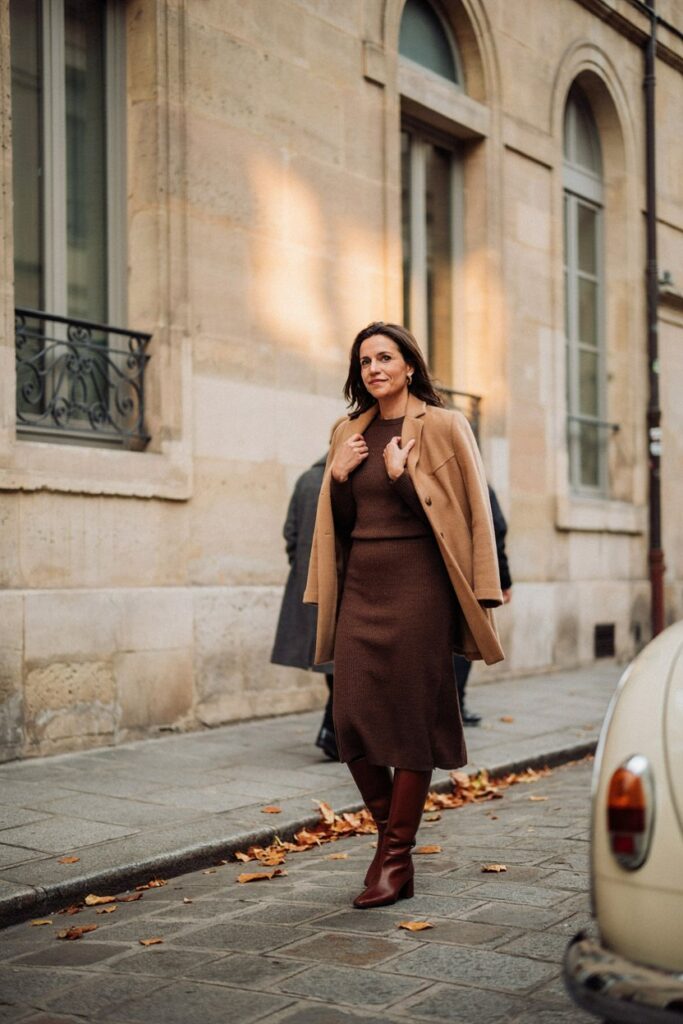
Fifteen pieces genuinely stretch into dozens of outfits once you start mixing them intentionally, and that’s really the whole point of building it this way rather than buying trend pieces one at a time.
The turtleneck under the shirt dress, with the vest layered over both and boots underneath, is a full cold-weather outfit built from four capsule pieces. The cashmere crewneck tucked into wide-leg trousers, with a thin belt and loafers, is a completely different look using two more.
The knit midi dress alone, with just the coat thrown over it for outerwear, is your fastest possible “put together in five minutes” option.
I’d genuinely recommend spending twenty minutes actually trying combinations once you’ve built out even half this list, since seeing pieces together in person often reveals pairings you wouldn’t have thought of on paper.
Color Palette: Keep It Cohesive
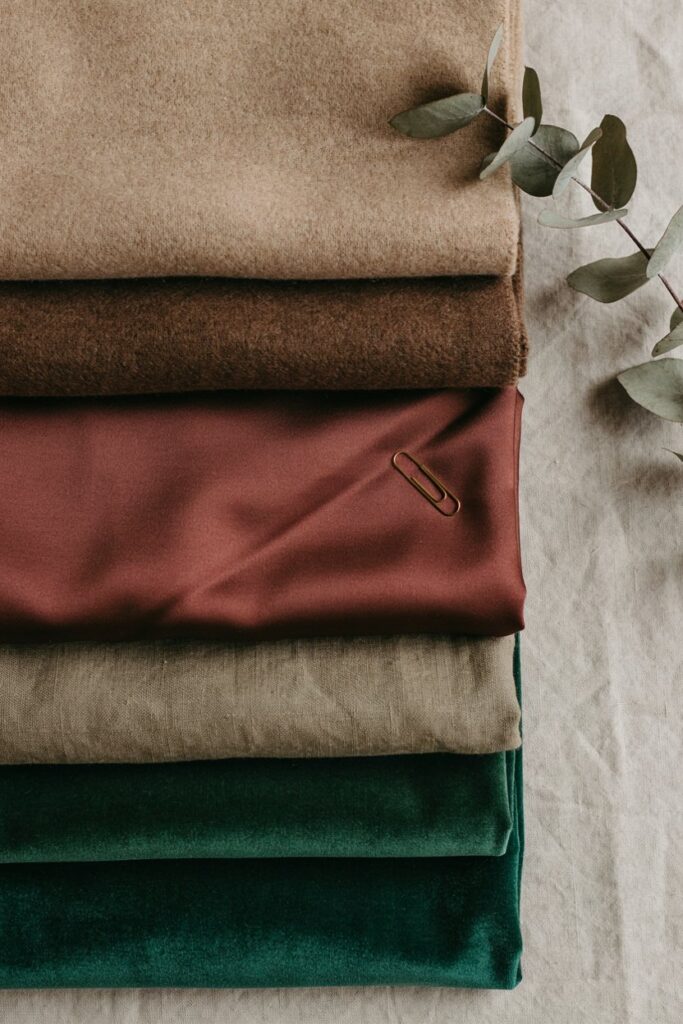
Stick to a tight, coordinated palette across the whole capsule, camel, charcoal, cream, black, and one or two deeper accent colors like a burgundy or forest green.
A tight palette is what actually makes fifteen pieces function like thirty, since nearly everything pairs with everything else by default.
If you want to bring in one of this year’s trending colors, something like the royal purple or capri blue I covered in my trends post, do it through a single accessory, a scarf or a bag, rather than a core capsule piece. That way the trend adds interest without threatening the whole system’s cohesion.
Fit and Fabric Matter More Than Anything on This List
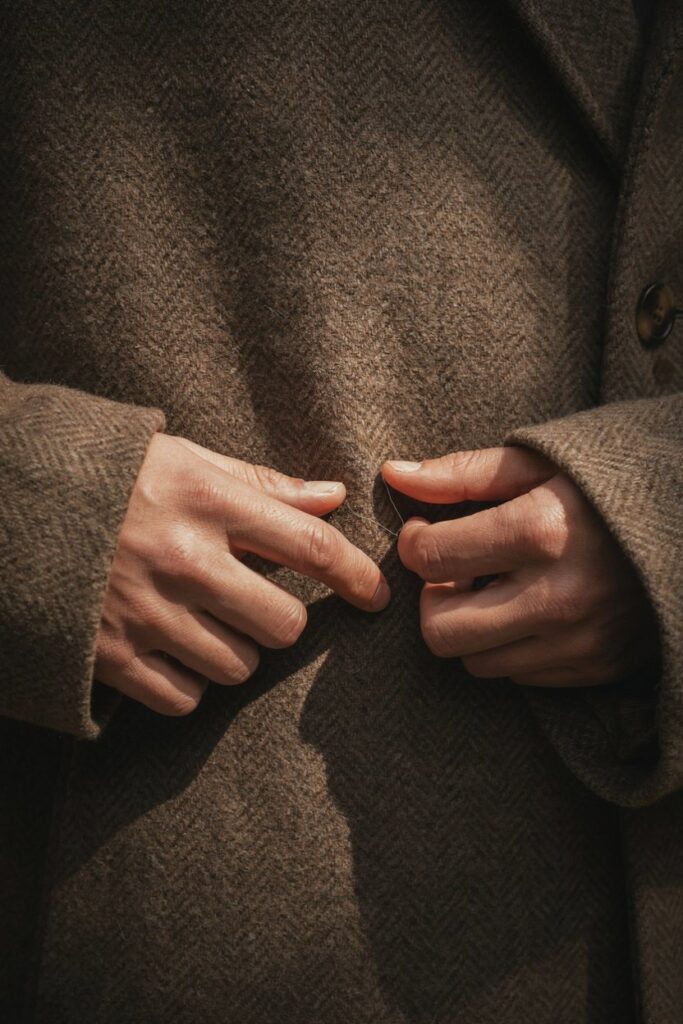
If there’s one piece of advice I’d want to actually stick from this whole post, it’s this: fit and fabric quality make a bigger visible difference than any specific item choice. A well-fitted, mid-priced sweater in a good fabric will look more elevated than an expensive one that fits poorly.
Tailoring an inexpensive coat to actually fit your shoulders and length correctly can transform how put-together it looks, often for less than the price difference between a cheap coat and a genuinely expensive one.
If you’re building this capsule gradually, I’d prioritize spending more on the pieces that touch the most skin and see the most wear, the coat, the everyday sweater, the jeans, and save money on pieces you’ll wear less often, like the dressier heel.
Accessories That Pull the Whole Capsule Together
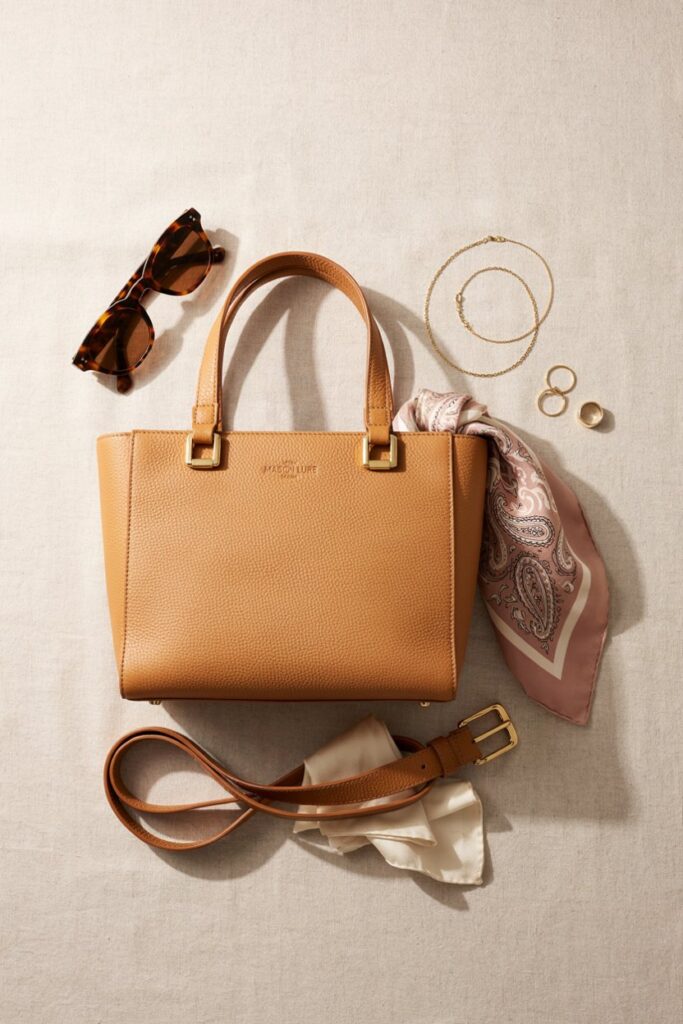
A structured leather bag, in a neutral that matches your shoe palette, works across nearly every outfit in this capsule.
A few good scarves, in your accent colors, add warmth and visual interest without needing to buy an entirely new sweater every time you want something to feel fresh.
A simple gold or silver jewelry set, kept minimal, so it layers easily under a turtleneck or over a crewneck without competing with the outfit.
A quality belt, since it’s doing real shaping work across several pieces on this list, the shirt dress, the wide-leg trousers, even the oversized cardigan.
Building It on a Budget
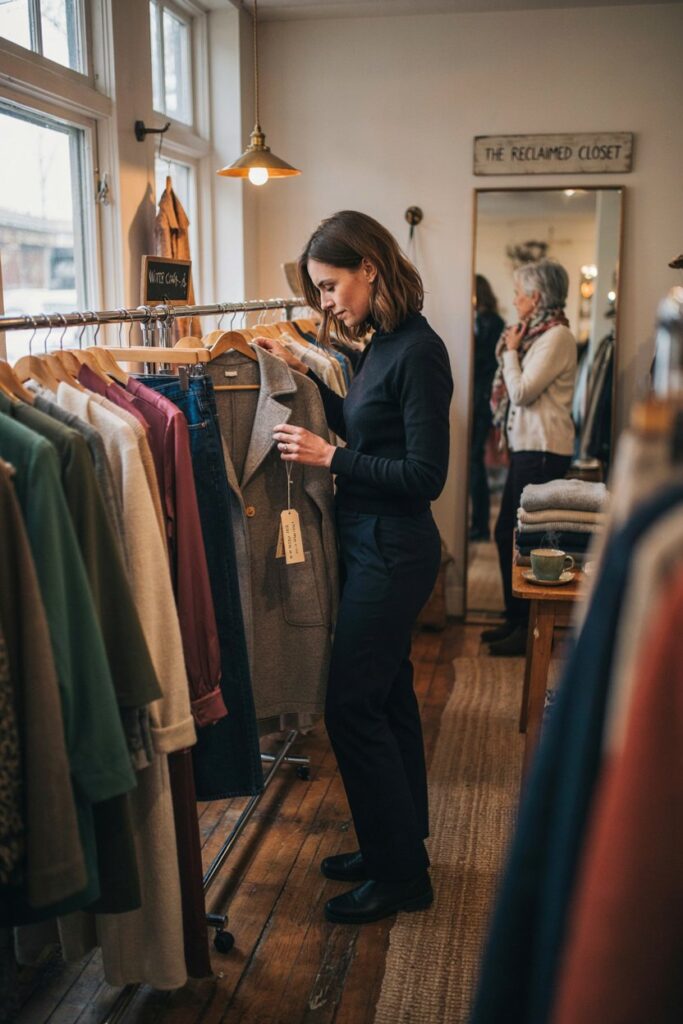
You don’t need to buy all fifteen pieces at once, and I’d actually recommend against it. Start with the coat and one pair of well-fitted trousers or jeans, since those two pieces alone unlock more outfit combinations than almost anything else on this list. From there, fill in tops before dresses, since tops mix and match more flexibly.
Secondhand and consignment shopping is genuinely a smart move for the higher-investment pieces here, a wool coat or leather boots specifically, since quality outerwear and footwear tend to hold up well secondhand in a way fast-fashion basics don’t.
Save full retail spending for the pieces you’ll wear constantly and want brand new, like your everyday sweater or jeans.
Frequently Asked Questions
Do I need to replace this capsule every season? No, that’s really the point. A well-built capsule like this should last several years with only minor seasonal additions, a new scarf, an updated top, rather than a full overhaul.
What if my personal style doesn’t match this exact list? Treat this as a structural template, not a rulebook. The proportions, categories, and color-cohesion logic matter more than the exact pieces, swap in what genuinely reflects your taste within that same structure.
Is it really worth spending more on a coat than other pieces? In my experience, yes. A coat is visible in nearly every outfit you wear it with for months at a time, and it’s the piece most likely to actually last a decade or more if you buy well, so the cost-per-wear math tends to favor spending more here than almost anywhere else in a wardrobe.
How do I keep this from feeling boring if it’s the same core pieces on repeat? Accessories are your lever here, scarves, jewelry, bags, and the occasional trend piece layered in through a single item rather than a whole outfit. The base stays consistent, but the details keep it feeling fresh.
Final Thoughts
The best compliment I think a wardrobe like this can get isn’t “that’s so on-trend,” it’s “you always look so put together,” said by someone who has no idea it’s actually the same fifteen pieces working overtime.
If you build this out, I’d love to hear which combination becomes your go-to.