17 Cozy Winter Homesteading Projects to Keep You Busy
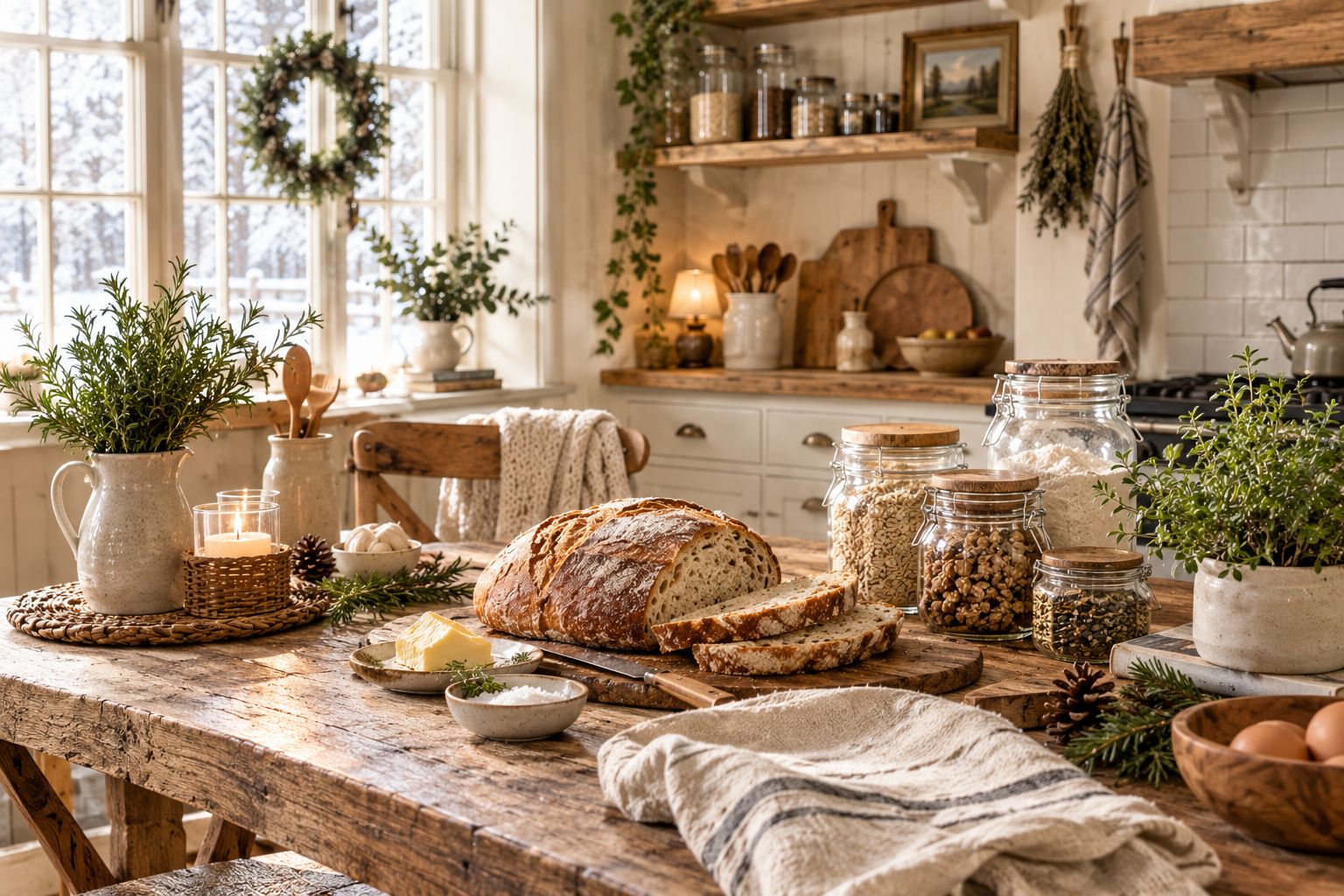
Winter has a way of changing how we spend our days. When the garden is resting, outdoor projects slow down, and the evenings get longer, it can feel like there is suddenly less to do.
But winter is actually a wonderful time to work on the little projects that make a home feel more comfortable, organized, and self-sufficient.
You don’t need a huge farmhouse, acres of land, or a barn full of animals to enjoy a little homesteading.
You can start with a few windowsill herbs, homemade pantry staples, simple DIY crafts, or a small project that helps you waste less around the house.
I love the idea of using the colder months to slow down, learn practical skills, and make things with what you already have. These winter homesteading projects are a mix of useful household tasks, creative activities, food-related projects, and preparations for the growing season ahead.
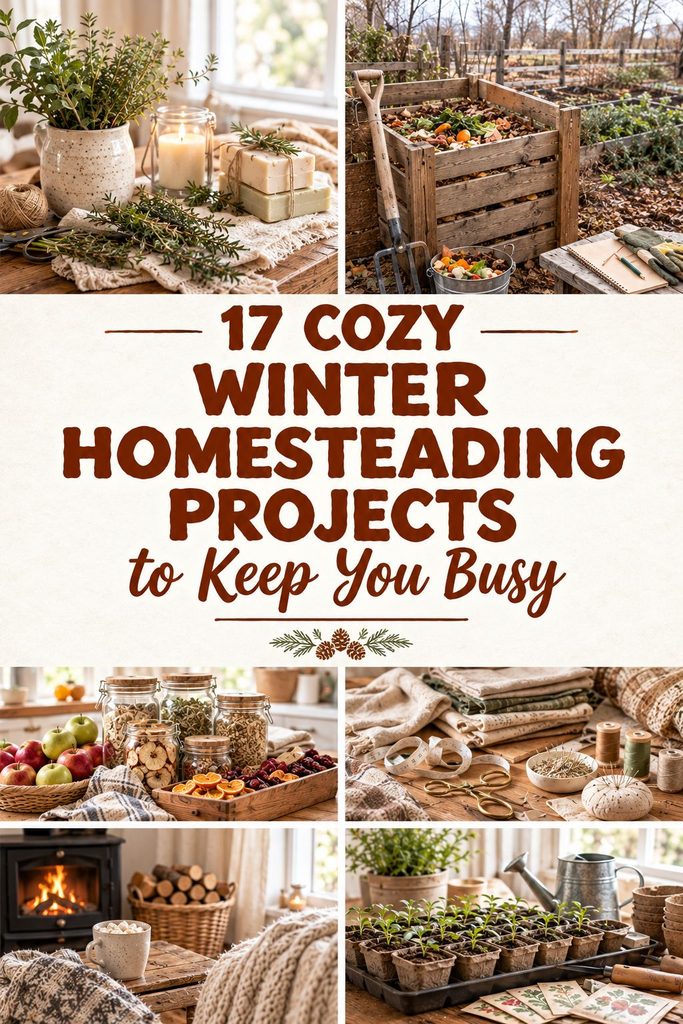
Whether you live on a rural property, have a backyard garden, or simply want to embrace a more self-sufficient lifestyle, there is something here you can try at your own pace.
What Is Winter Homesteading?
Winter homesteading is about using the colder months to build practical skills, care for your home, reduce waste, and prepare for the seasons ahead. While gardening and outdoor chores may slow down, there are still plenty of ways to embrace a more self-sufficient lifestyle from inside your home.
For some people, winter homesteading means organizing seeds, planning next year’s vegetable garden, and learning how to preserve food. For others, it might mean baking bread from scratch, making homemade candles, sewing reusable household items, or creating simple DIY decorations.
You don’t have to live on a large farm or grow all your own food to get started. Even if you live in a small house or apartment, you can practice useful skills that help you become more resourceful and intentional with what you have.
I like the idea of treating winter as a season for preparation rather than putting everything on hold until spring. You can work through projects at your own pace, use supplies you already have, and discover new hobbies without spending a fortune.
1. Start Planning Next Year’s Garden
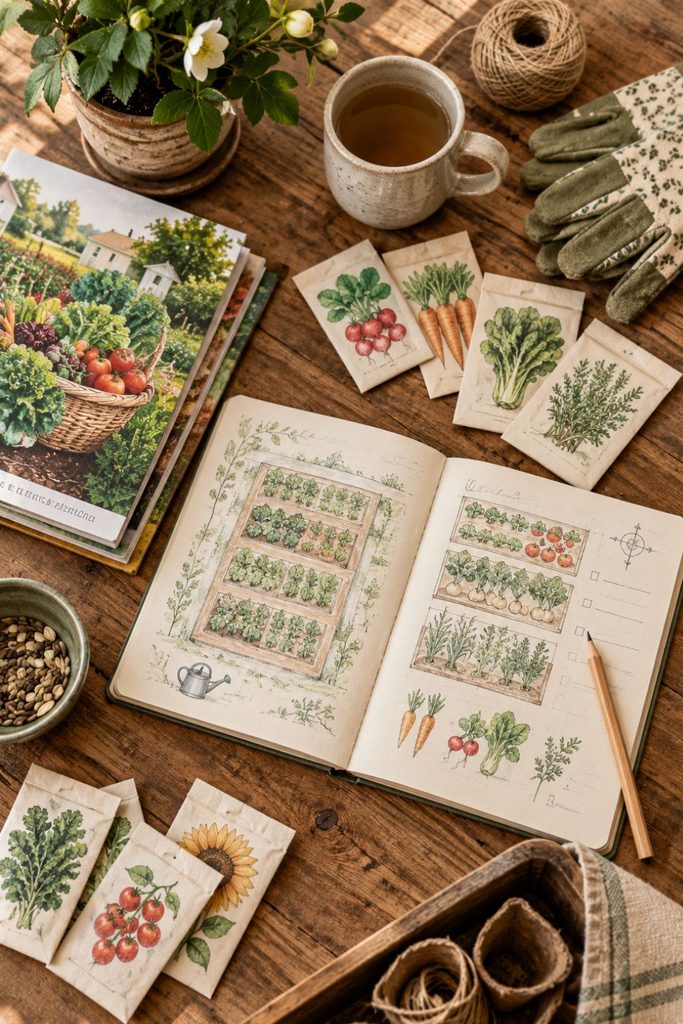
Winter is an excellent time to plan your garden without the pressure of needing to get everything planted immediately.
Instead of buying seeds and deciding where everything will go at the last minute, use a quiet afternoon to think about what worked, what didn’t, and what you want to grow next year.
Start by looking through any garden notes or photographs you saved from the previous season. Consider which plants produced well, which vegetables your household actually ate, and which crops took up too much space for the amount they yielded.
How to get started
- Write down the vegetables, fruits, and herbs you want to grow.
- Sketch a simple garden layout and note the available sunlight.
- Research planting times for your local climate.
- Make a list of seeds you already own before purchasing more.
- Plan crop rotation for vegetable beds where practical.
If you’re new to gardening, start with a manageable number of crops rather than trying to grow everything at once. A few reliable vegetables are often more rewarding than an ambitious garden that becomes difficult to maintain.
Budget tip: Use a notebook you already own or create a free digital garden planner instead of buying expensive planning supplies.
2. Organize Your Seeds and Gardening Supplies
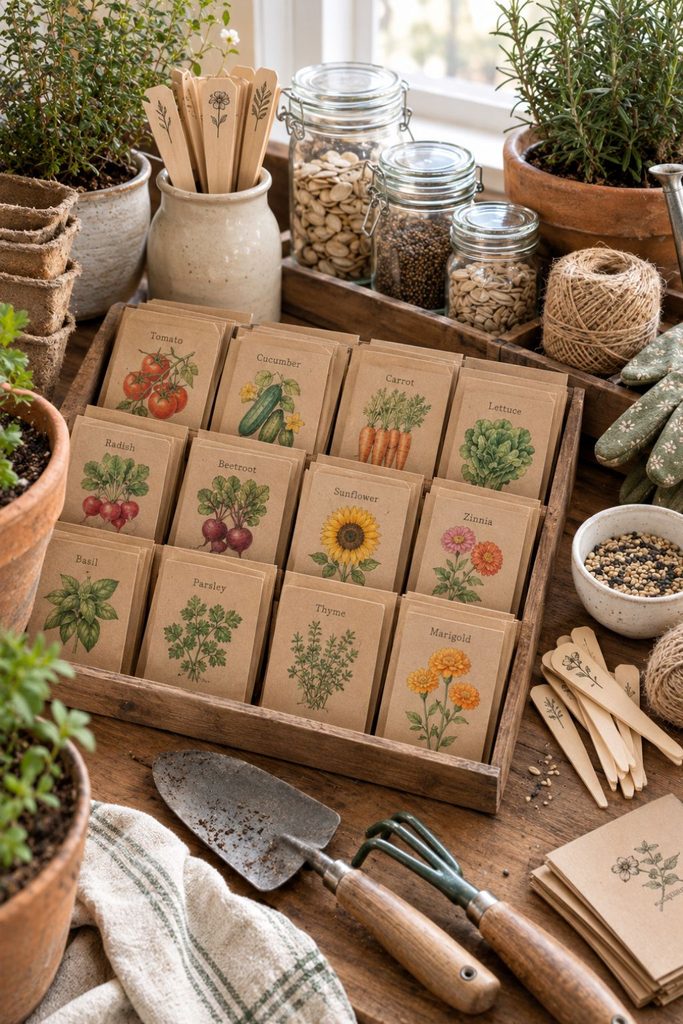
Have you ever purchased seeds only to discover that you already had several packets tucked away in a drawer? Organizing your gardening supplies now can save you money and frustration when planting season arrives.
Gather your seed packets, plant labels, gloves, small pots, gardening tools, and other supplies in one place. Check what you have before making a shopping list.
What to do
- Sort seeds by vegetable, herb, flower, or planting season.
- Check packet dates and storage instructions.
- Remove damaged or moldy supplies.
- Put frequently used tools in an easy-to-reach container.
- Create a list of supplies that genuinely need replacing.
Older seeds aren’t automatically useless, although germination rates can decline over time. If you’re unsure whether a packet will still sprout, test a few seeds using a damp paper towel before relying on them for your garden.
Keep seeds in a cool, dry place and follow the storage recommendations for each variety.
This simple project may not look exciting, but it makes spring gardening much easier.
3. Grow Fresh Herbs on a Sunny Windowsill
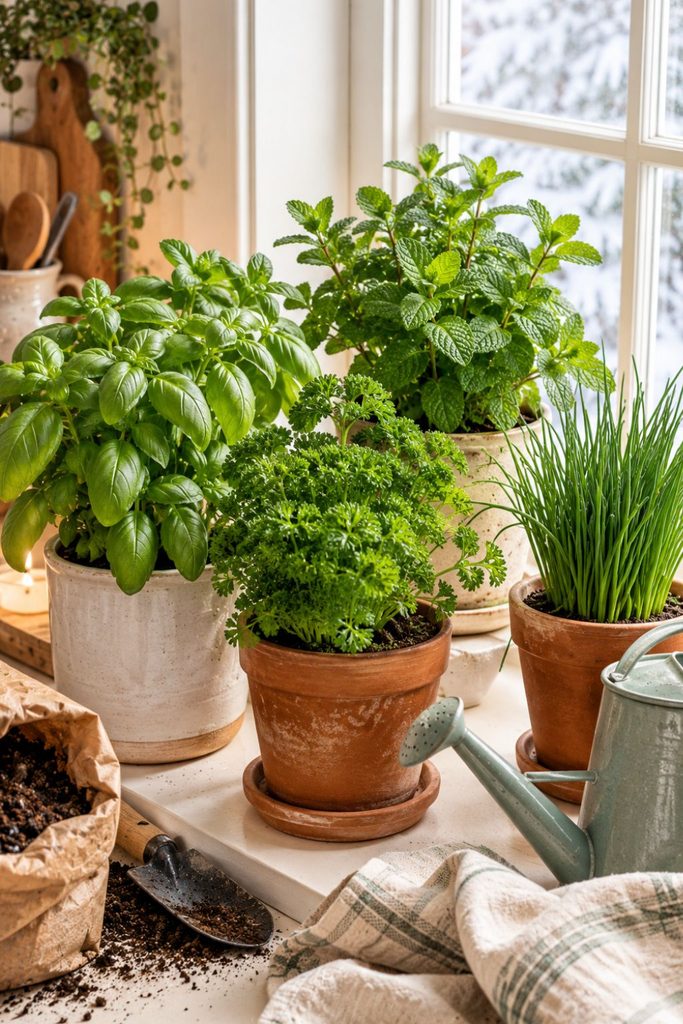
You don’t need a backyard to enjoy a little homegrown greenery during winter. A sunny windowsill can be enough to grow a few herbs for everyday cooking.
Parsley, chives, mint, and other herbs can be useful additions to a small indoor garden. Basil can also grow indoors when it receives enough warmth and light.
How to create a small indoor herb garden
- Choose a bright window that receives plenty of natural light.
- Use pots with drainage holes.
- Fill them with an appropriate potting mix.
- Select herbs suited to your indoor conditions.
- Water according to each plant’s needs rather than following a rigid daily schedule.
If your home doesn’t receive enough sunlight, a grow light may help. Keep plants away from cold drafts and avoid leaving their roots sitting in water.
Start with two or three herbs you regularly use in your meals. This keeps the project inexpensive and makes it easier to care for your plants.
Even a few fresh leaves can make an ordinary homemade meal feel a little more special.
4. Create a Homemade Pantry Inventory
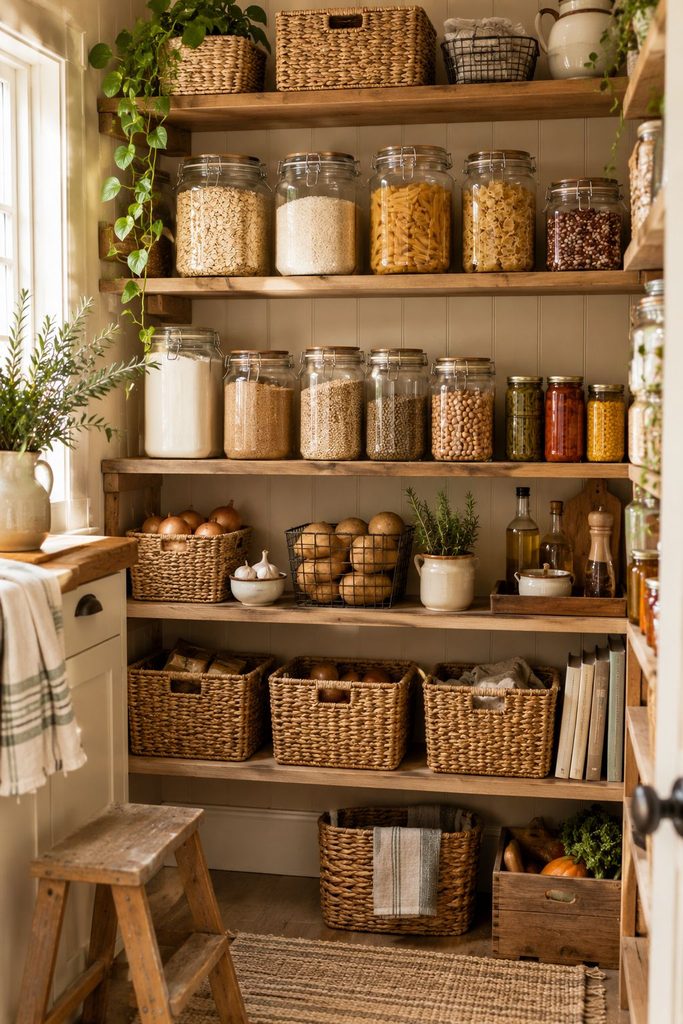
A well-organized pantry is one of the simplest ways to make your household more efficient. It can also help reduce food waste and prevent unnecessary grocery purchases.
Winter is a good time to check what you have stored in your cupboards, refrigerator, and freezer.
Make your pantry inventory
First, take everything out of one shelf or section at a time. Group similar ingredients together and check the condition, dates, and storage instructions of each item.
Make separate lists for:
- Dry goods such as rice, pasta, flour, and oats.
- Canned foods and shelf-stable ingredients.
- Baking supplies.
- Spices, seasonings, and cooking oils.
- Frozen vegetables, fruits, and prepared meals.
Put older products that are still safe to use toward the front so you remember to use them first. Keep raw ingredients and ready-to-eat foods stored appropriately, and discard anything spoiled or showing signs of contamination.
Once you know what you have, plan a few meals around those ingredients before buying more groceries.
You may discover that you can prepare several meals without making an additional shopping trip.
5. Make Homemade Soup Stock

If you regularly cook vegetables, roast chicken, or prepare homemade meals, making stock can be a practical kitchen project.
Instead of automatically throwing away every suitable vegetable trimming, you can save appropriate scraps and use them to make vegetable stock. Meat bones can also be used for stock when handled and cooked safely.
Avoid using spoiled scraps, and remember that not every vegetable is suitable for every stock. Strongly flavored or bitter vegetables can affect the final taste.
Simple vegetable stock method
- Collect clean, suitable vegetable trimmings.
- Place them in a pot with fresh water.
- Add herbs or seasonings if desired.
- Bring the mixture to a simmer and cook until the flavor develops.
- Strain out the solids and cool the stock promptly.
Refrigerate the stock in shallow containers and use it within three to four days, or freeze it for longer storage. Don’t leave a large pot of stock sitting at room temperature for hours.
Homemade stock can be used in soups, stews, sauces, rice dishes, and other recipes.
Money-saving tip: Freeze stock in clearly labeled portions so you can take out only what you need.
6. Learn to Bake Bread at Home
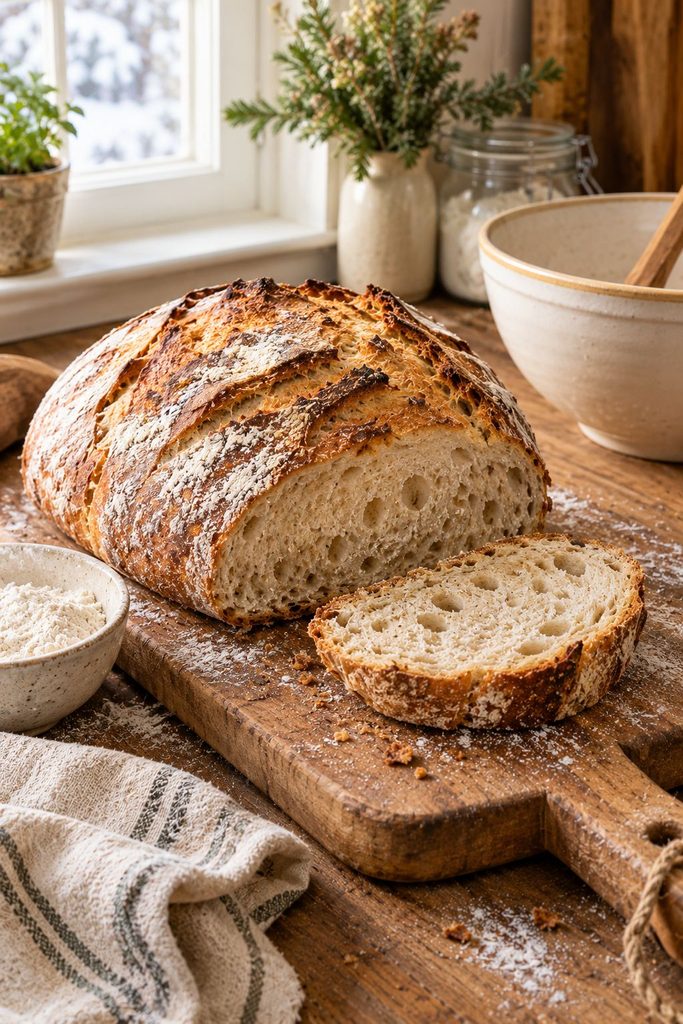
Baking bread is a satisfying winter project because it combines a practical kitchen skill with the comfort of making something from scratch.
You don’t need a bread machine or an elaborate collection of baking tools to begin. A basic loaf requires only a few common ingredients, although the exact quantities and method depend on the recipe you choose.
Beginner-friendly bread tips
- Start with a simple yeast bread recipe.
- Measure ingredients carefully.
- Check that your yeast is active before beginning.
- Allow the dough enough time to rise.
- Follow the recipe’s instructions for kneading and baking.
If your kitchen is cool, dough may take longer to rise. Look for the visual signs described in your recipe instead of assuming it must be ready after an exact number of minutes.
Once you are comfortable with a basic loaf, you can experiment with dinner rolls, sandwich bread, or different whole-grain flours.
Homemade bread can also be a useful way to practice planning meals and using pantry ingredients you already have.
7. Make Homemade Candles for Cozy Evenings
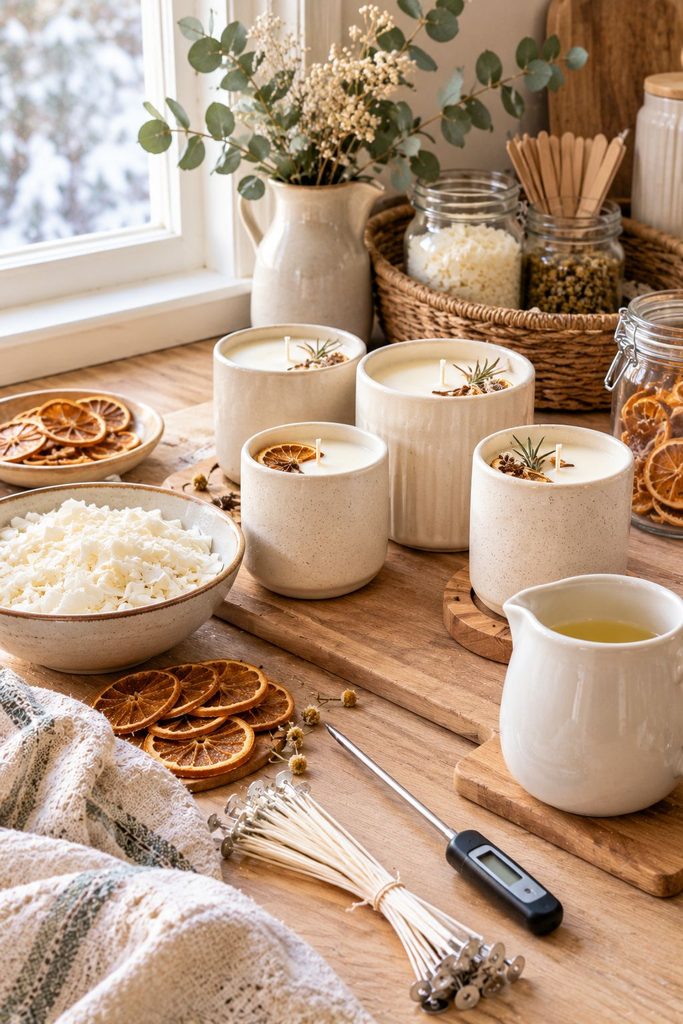
When the days are short, little touches around the home can make winter feel more inviting. Candle-making is a creative project that can also produce handmade gifts or seasonal decorations.
You can begin with a simple container candle kit that includes compatible wax, wicks, and instructions. This is often easier than purchasing every supply separately.
What you’ll need
- Candle wax suitable for container candles.
- Wicks matched to the wax and container.
- Heat-safe candle containers.
- A suitable thermometer.
- A dedicated melting pot or double boiler arrangement.
Follow the wax manufacturer’s instructions for melting temperatures, fragrance quantities, wick selection, and pouring. Never leave melting wax unattended, and never pour water onto burning wax.
Allow candles to cool and cure according to the product instructions before using them.
If you prefer a decorative project without handling hot wax, you could also make a seasonal candle display using existing candles, a tray, and a few natural-looking accents.
For another cozy DIY idea, see DIY Christmas Mug Candles.
8. Make Air-Dry Clay Decorations
Air-dry clay is a wonderful material for a winter afternoon because it doesn’t require a kiln. You can turn a small amount of clay into decorative dishes, ornaments, miniature pots, and other handmade pieces.
This project is especially useful if you enjoy crafting gifts or want to add a personal touch to your home without purchasing new decorations.
Easy air-dry clay ideas
- Small trinket dishes for rings and earrings.
- Leaf-imprint ornaments.
- Decorative stars and hearts.
- Miniature pots for faux plants.
- Simple clay tags for gift wrapping.
To make a basic trinket dish, roll the clay to an even thickness, cut out a circle, and gently shape the edges over a shallow mold. Smooth rough areas with slightly damp fingers, following the clay manufacturer’s directions.
Leave the piece to dry completely before sanding or painting. Drying time depends on thickness, humidity, and the clay used.
Once fully dry, decorate it with acrylic paint if desired. Apply a compatible sealer according to its instructions, remembering that sealing does not automatically make air-dry clay waterproof or food-safe.
For a step-by-step craft, try the Anthropologie-Inspired DIY Air-Dry Clay Trinket Dish Tutorial.
9. Create a Winter Nature Display
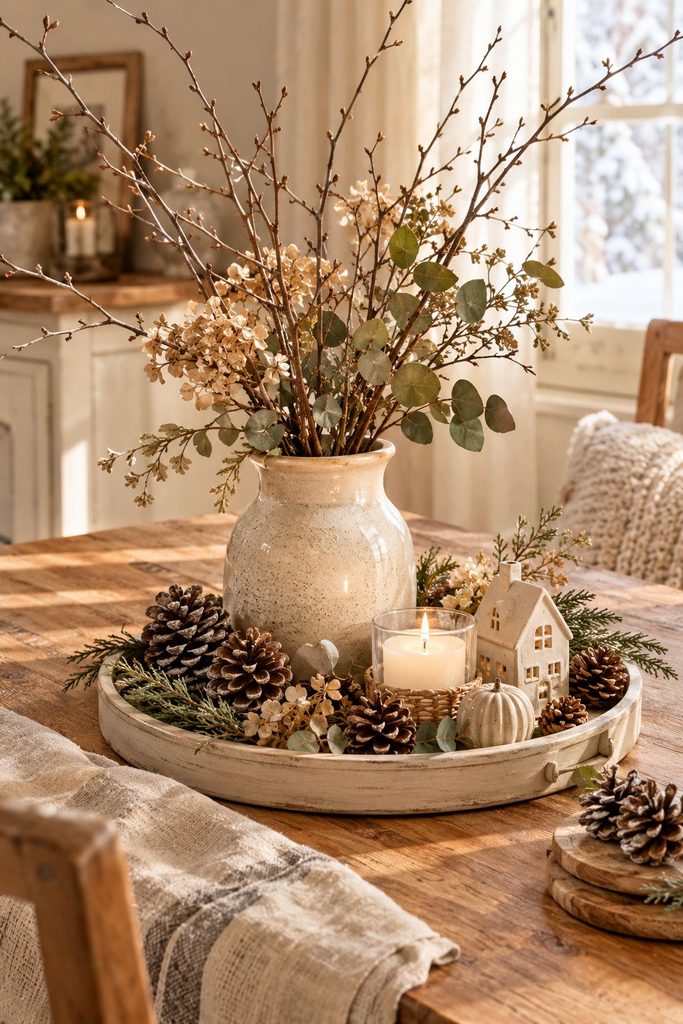
You can bring a little of the outdoors inside by creating a simple seasonal display with natural materials.
Pinecones, bare branches, dried seed heads, and other interesting natural objects can be arranged in a bowl, vase, or decorative tray. The result can look lovely without requiring a trip to a home decor store.
How to style your display
- Choose a tray, shallow bowl, or vase you already own.
- Collect suitable natural materials from places where gathering is permitted.
- Inspect everything for insects, mold, and damage.
- Arrange a few pieces at different heights.
- Add a neutral candle holder or small decorative object if desired.
Only collect materials that are safe and legal to gather. Avoid bringing damp or moldy items indoors, and keep dried foliage away from open flames.
For a winter craft with a more decorative finish, explore these Easy Frozen Ice Crystal Pinecones.
A simple natural arrangement can refresh a coffee table, entryway, or dining table without adding much to your budget.
10. Make Your Own Natural Cleaning Supplies
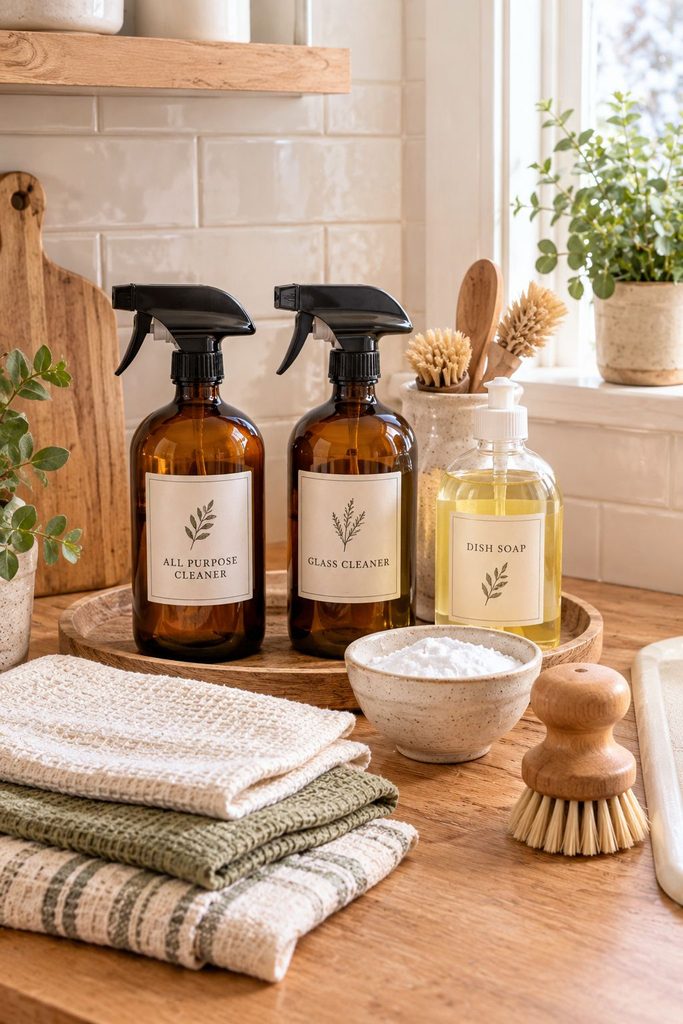
Winter is a good time to review your household cleaning routine and see whether you can simplify it.
You don’t need to replace every cleaning product with a homemade version. Instead, start by identifying which products you use most often and whether a simpler option is appropriate for the job.
For example, warm water with a small amount of dish soap can be suitable for many washable surfaces, provided the surface manufacturer permits it.
A simple cleaning project
- Gather your existing cleaning products in one place.
- Check labels and discard products according to local guidance.
- Identify surfaces that need special care.
- Prepare a basic cleaning caddy with suitable products and reusable cloths.
- Label any transferred products clearly.
Be careful with homemade cleaning mixtures. Never mix bleach with vinegar, ammonia, or other cleaning products, as dangerous gases can form. Vinegar is also unsuitable for some natural stone surfaces and finishes.
If you prefer to make a homemade cleaner, use a reliable recipe intended for the exact surface you plan to clean.
The goal is to reduce clutter and waste, not to create complicated mixtures that may damage your home.
11. Sew Simple Reusable Household Items
Learning to sew is a practical homesteading skill because it can help you repair items instead of automatically replacing them.
You don’t have to begin with clothing or a complicated pattern. Small household projects are often easier for beginners and can help you build confidence.
Beginner sewing projects
- Reusable fabric gift bags.
- Simple cloth napkins.
- Drawstring storage bags.
- Fabric bowl covers made to fit specific bowls.
- Small mending projects for clothes and linens.
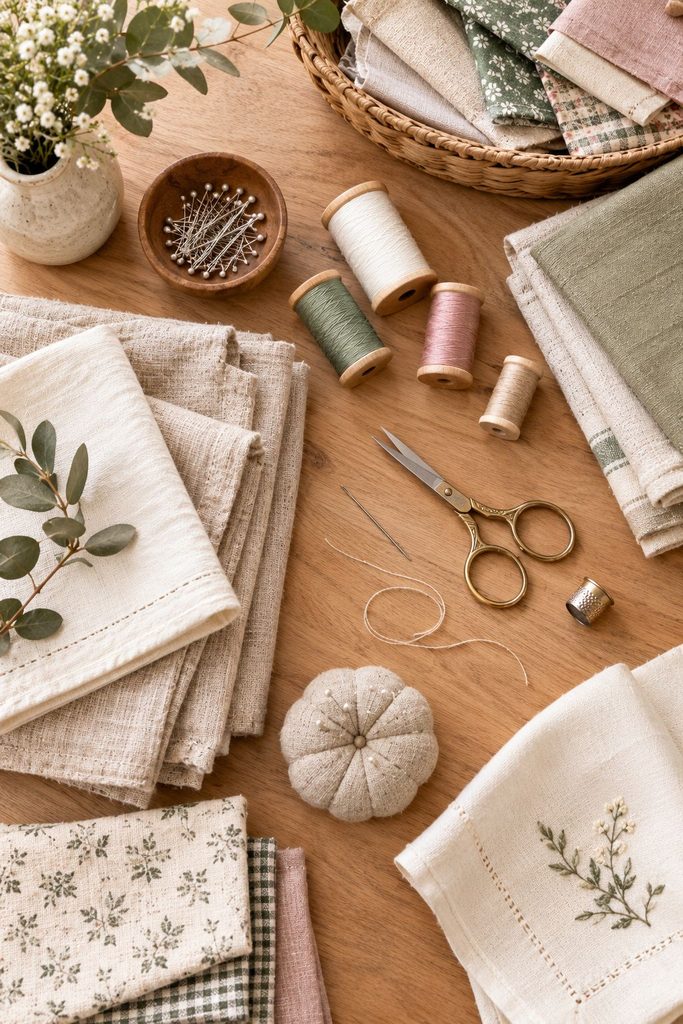
Before starting, gather a needle, suitable thread, scissors, pins or clips, and fabric. You can use suitable clean fabric from old garments or unused household textiles.
For your first project, choose a simple shape with straight seams. Measure carefully, secure the fabric, and take your time stitching.
If you don’t own a sewing machine, several small repairs and basic projects can be completed by hand.
Tip: Practice on fabric scraps before cutting into a material you particularly like.
12. Make a Compost Plan for Spring
Composting is a useful way to turn suitable organic waste into a soil amendment for your garden. Even if outdoor composting slows in cold weather, winter is a good time to plan how you will manage it.
You can begin by identifying a suitable location, choosing a composting method, and learning which materials belong in your system.
What can go into a typical compost pile?
Green materials provide nitrogen and may include vegetable scraps, fruit scraps, and fresh plant material.
Brown materials provide carbon and may include dry leaves, untreated paper, and small amounts of plain cardboard.
A successful pile needs a reasonable balance of materials, moisture, and air. Avoid adding meat, dairy, grease, or pet waste to an ordinary backyard compost pile.
In cold conditions, decomposition often slows considerably. You can continue adding appropriate scraps to a managed pile, but you shouldn’t expect finished compost immediately.
If you have limited outdoor space, a properly managed indoor worm-composting system may be another option.
Planning now can make it easier to build healthy soil when the next gardening season arrives.
13. Organize Your Tools and Create a Small DIY Station
Winter is an ideal time to take inventory of the tools and supplies you use for gardening, repairs, and creative projects.
A disorganized workspace can make simple tasks feel more difficult than they need to be. You may even end up buying duplicates because you can’t find what you already own.
Set up a practical work area
- Group tools according to how you use them.
- Clean and dry tools before storing them.
- Sharpen suitable cutting tools according to their instructions.
- Keep small hardware in labeled containers.
- Store paints, adhesives, and other materials according to their labels.
- Keep sharp tools and hazardous materials away from children and pets.
If you don’t have a dedicated workshop, a sturdy shelf or a clearly organized storage box can still make a difference.
You can also create separate containers for gardening supplies, sewing materials, clay tools, and candle-making equipment.
The idea is to make your supplies easier to find so you can spend more time working on projects and less time searching for missing items.
14. Prepare a Small Emergency Pantry
Being prepared at home doesn’t mean you need to stockpile enormous quantities of food. A small, sensible emergency pantry can help you manage unexpected disruptions, busy days, or difficult weather.
Start with foods your household already eats. There is little benefit in purchasing large quantities of unfamiliar ingredients that may go unused.
How to build your pantry gradually
- Make a list of shelf-stable foods you regularly use.
- Set aside a small amount of storage space.
- Check expiration dates and storage conditions.
- Rotate older items into your regular meals.
- Replace what you use when your budget allows.
Depending on your household’s needs, you might store rice, oats, pasta, canned beans, canned vegetables, cooking oil, and other shelf-stable ingredients.
Remember to include drinking water and account for any special dietary needs. If you have infants, pets, or household members who rely on particular foods, plan for those requirements too.
Store food in clean, dry conditions and follow package instructions.
For long-term food preservation, use tested methods. Low-acid foods such as vegetables and meat require pressure canning, not ordinary boiling-water canning.
A well-managed pantry is about preparedness and avoiding waste, not buying more than you can reasonably use.
15. Learn to Preserve Seasonal Food Safely
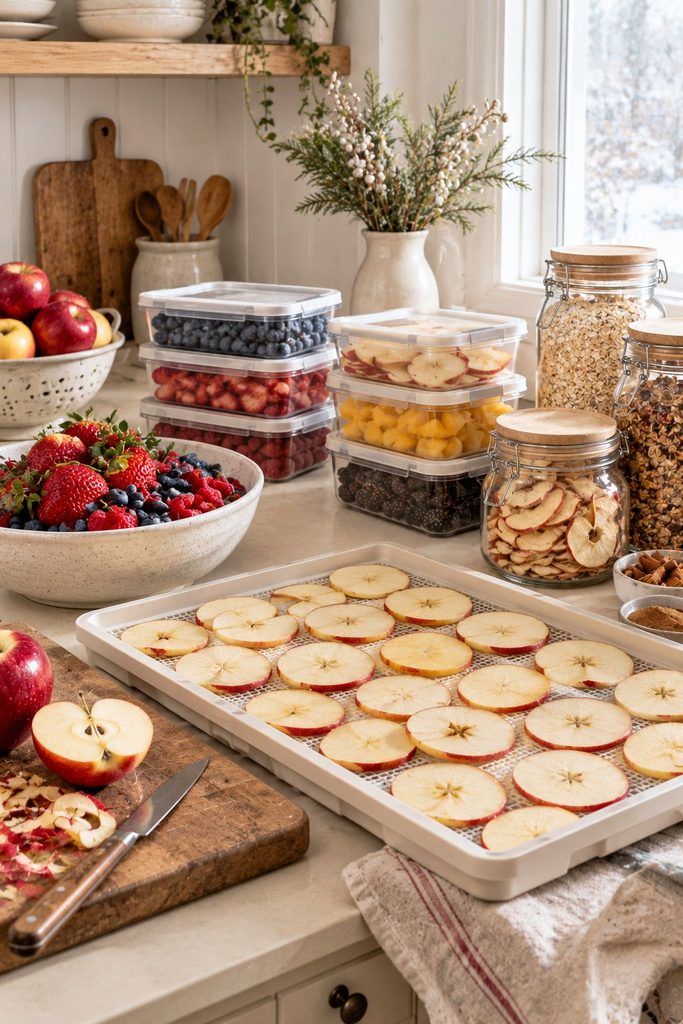
Food preservation is a useful skill for anyone interested in growing produce, buying seasonal ingredients, or making better use of food before it spoils.
Winter can be a good time to learn the basics before your next harvest arrives.
There are several preservation methods, including freezing, drying, refrigeration, and canning. The appropriate method depends on the food and how you plan to store it.
Start with a beginner-friendly method
Freezing is often a straightforward place to begin. Learn which fruits and vegetables freeze well, whether blanching is recommended, and how to package food to protect its quality.
For drying, use appropriate equipment and follow tested instructions for the specific food.
If you want to learn canning, choose a tested recipe from a reliable food-preservation authority. Don’t improvise processing times or change the proportions of ingredients in a canning recipe, particularly when acidity is important for safety.
Label preserved food with its name and date, and follow the storage guidance for the method you use.
You can begin with a small batch rather than attempting to preserve a whole season’s harvest at once.
16. Make a Simple Homemade Gift Collection

Winter is full of opportunities to give thoughtful gifts, from birthdays and holidays to small thank-you presents.
Making a few gifts at home can be a pleasant creative project, especially when you use supplies you already own.
Homemade gift ideas
- Air-dry clay trinket dishes.
- Handmade bookmarks.
- Fabric gift bags.
- Decorated picture frames.
- Homemade candle gifts made with suitable candle-making supplies.
- Small jars of dry baking ingredients accompanied by clear instructions.
- Handwritten recipe cards collected into a mini recipe booklet.
Choose projects that suit your skill level and the amount of time you have available. If you plan to give food, consider allergies, ingredients, storage, and labeling.
You can also make simple gift tags using cardstock, ribbon, and leftover craft materials.
For a cozy home-inspired gift, browse these 12 Cozy Winter Tray Decor Ideas. A small decorative arrangement can provide inspiration for a handmade present or a thoughtful gift basket.
The best part is that handmade gifts can be personal without requiring expensive materials.
17. Create a Winter Home Refresh Plan

Homesteading isn’t only about gardening, animals, and food preservation. It can also mean learning to care for your home, use what you already own, and make everyday life more comfortable.
Winter is a good time to notice which areas of your home need attention before the busier seasons arrive.
Rather than planning a complete makeover, choose a few manageable tasks that will make a real difference.
Ideas for a simple home refresh
- Rearrange a shelf using decor you already own.
- Declutter kitchen cupboards.
- Repair loose buttons, handles, or other minor household items.
- Sort linens and donate suitable items you no longer need.
- Refresh a coffee table with a tray and a few existing decorations.
- Check for drafts around doors and windows.
- Make a list of repairs that require professional help.
If you enjoy seasonal decorating, you can also create a warmer atmosphere using textured throws, cushions, natural materials, and soft lighting.
For inspiration, see these 10 Easy Winter Kitchen Decor Ideas for a Cozy Home on a Budget.
Always treat maintenance issues appropriately. Electrical problems, major roof damage, unsafe heating equipment, and structural concerns may require a qualified professional rather than a DIY fix.
A comfortable, well-maintained home is a useful project in its own right.
Tips for Choosing the Right Winter Homesteading Projects

With so many possibilities, it can be tempting to start several projects at once. I recommend choosing just one or two to begin with, especially if you’re new to homesteading.
Here are a few ways to make your winter projects more manageable.
Start with what you already own
Before purchasing supplies, look around your home. You may already have jars, containers, fabric scraps, clay tools, gardening supplies, or pantry ingredients that can be put to use.
Choose projects that solve a real problem
A project is particularly worthwhile when it helps you save time, reduce waste, learn a useful skill, or prepare for a future task.
For example, organizing seeds can make spring planting easier, while a pantry inventory can help you plan meals around ingredients you already have.
Keep your budget realistic
You don’t need to buy every tool associated with a hobby before trying it. Start with a basic project and add supplies only when you know you will use them.
Work at your own pace
Some projects can be completed in an afternoon, while others require several days or ongoing attention. Allow time for drying, curing, plant growth, or other processes that cannot be rushed.
Keep safety in mind
Follow instructions for food preservation, candle-making, cleaning products, and tools. Choose projects appropriate for your experience and household, and seek professional help when a task falls outside your skills.
Frequently Asked Questions About Winter Homesteading
What can you do on a homestead during winter?
You can plan your garden, organize seeds, maintain tools, prepare pantry supplies, learn food-preservation techniques, bake bread, sew household items, make crafts, and work on home maintenance. The best activities depend on your climate, space, and resources.
Can you start homesteading if you don’t own land?
Absolutely. You can begin with indoor herbs, meal planning, basic sewing, homemade crafts, food storage, and learning practical household skills. A balcony or a few sunny windowsills may provide enough space for small gardening projects.
What are the cheapest winter homesteading projects?
Garden planning, pantry organization, decluttering, basic mending, meal planning, and organizing existing supplies can cost little or nothing. Other projects, such as candle-making or gardening, may require an initial investment, so start with the supplies you already have.
How can I prepare my garden for spring during winter?
Review last season’s results, plan your garden layout, organize seeds, check tools, and research planting times for your area. Depending on your climate, you may also be able to start certain seeds indoors or prepare protected growing spaces.
Is winter a good time to learn homesteading skills?
Yes. Winter can offer more opportunities to practice indoor skills that may be difficult to fit into a busy growing season. Baking, sewing, food-storage planning, simple crafts, and tool maintenance are all useful places to start.
How do I avoid feeling overwhelmed by homesteading?
Begin with one small project and build from there. You don’t need to grow all your food, make everything from scratch, or become completely self-sufficient. Focus on the skills that fit your household, interests, and budget.
Final Thoughts
Winter doesn’t have to be a season of waiting around for warmer weather. It can be a chance to learn something new, make your home more comfortable, organize your supplies, and prepare for the months ahead.
You might spend an afternoon planning your garden, make a small clay dish, organize your pantry, or finally learn how to sew on a button. These projects may seem simple, but small practical skills can make everyday life a little easier.
Choose one idea from this list that genuinely interests you and start there. You can always add another project when you’re ready.
Which winter homesteading project would you like to try first? Save this list so you have plenty of ideas to return to throughout the season.