
Best Paint for Air Dry Clay (Plus the Mistakes I Wish I Avoided)
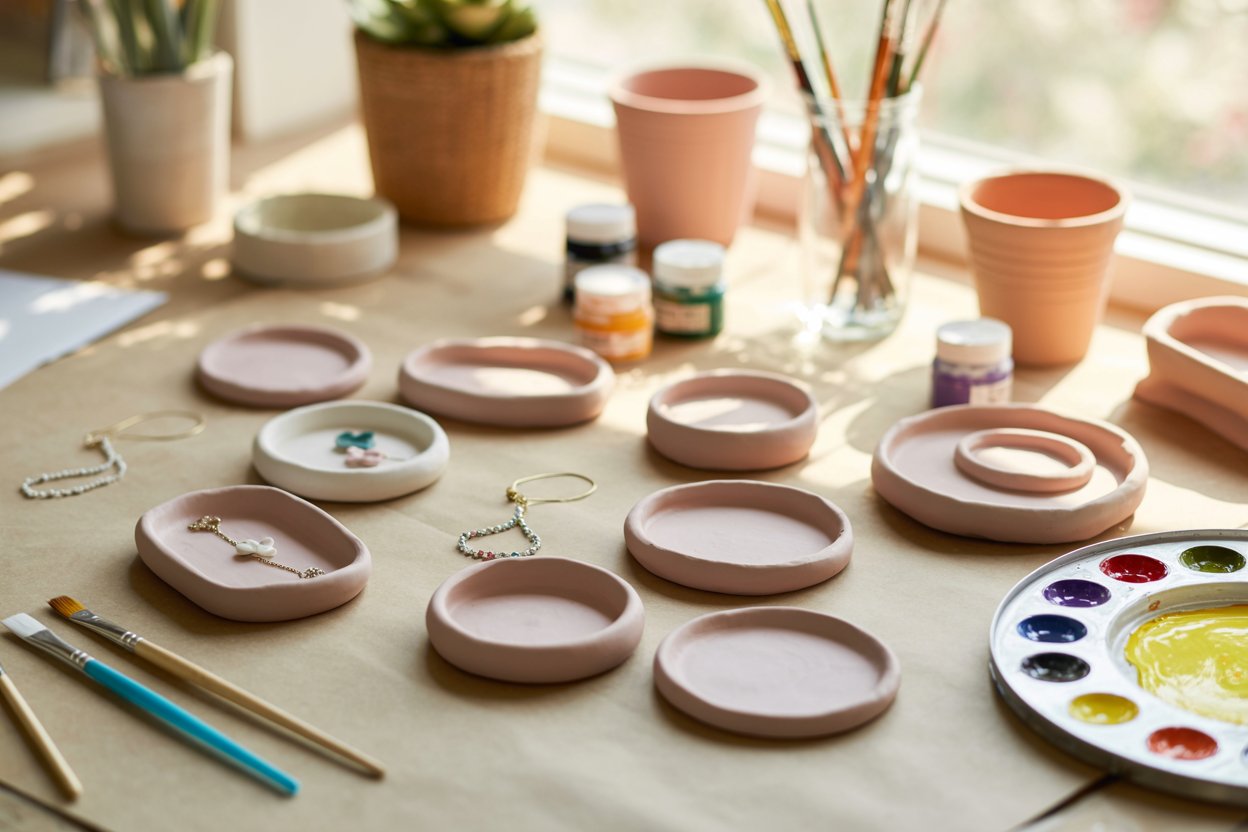
When I first started working with air dry clay, I assumed any paint would work.
I honestly thought the hard part was making the project, and painting would be the easy, fun finish.
I could not have been more wrong.
My first few projects looked great until the paint dried.
Some colors looked streaky, others cracked, and one piece stayed tacky for days because I painted it before the clay had fully cured.
It was frustrating because I had spent hours making something I loved, only to ruin the final look with the wrong paint and technique.
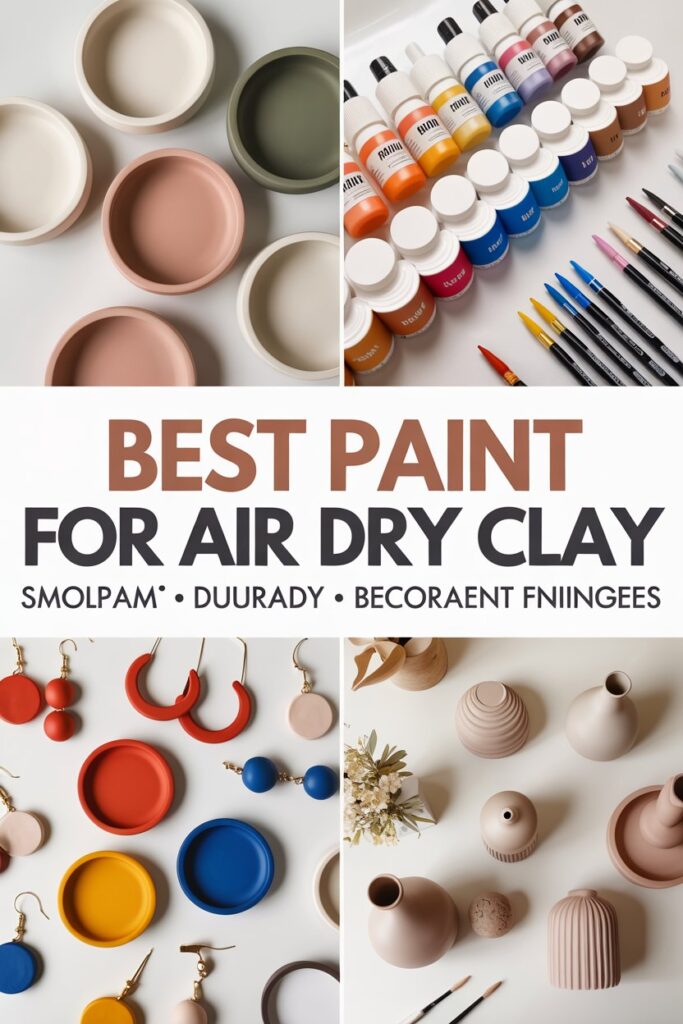
After plenty of trial and error, I found that choosing the right paint makes a huge difference.
It affects the color, the finish, how long your project lasts, and even how professional it looks.
If you are wondering which paint works best for air dry clay, this guide will help you avoid those beginner mistakes and choose the right option for every project.
Does the Type of Paint Really Matter?
Absolutely.
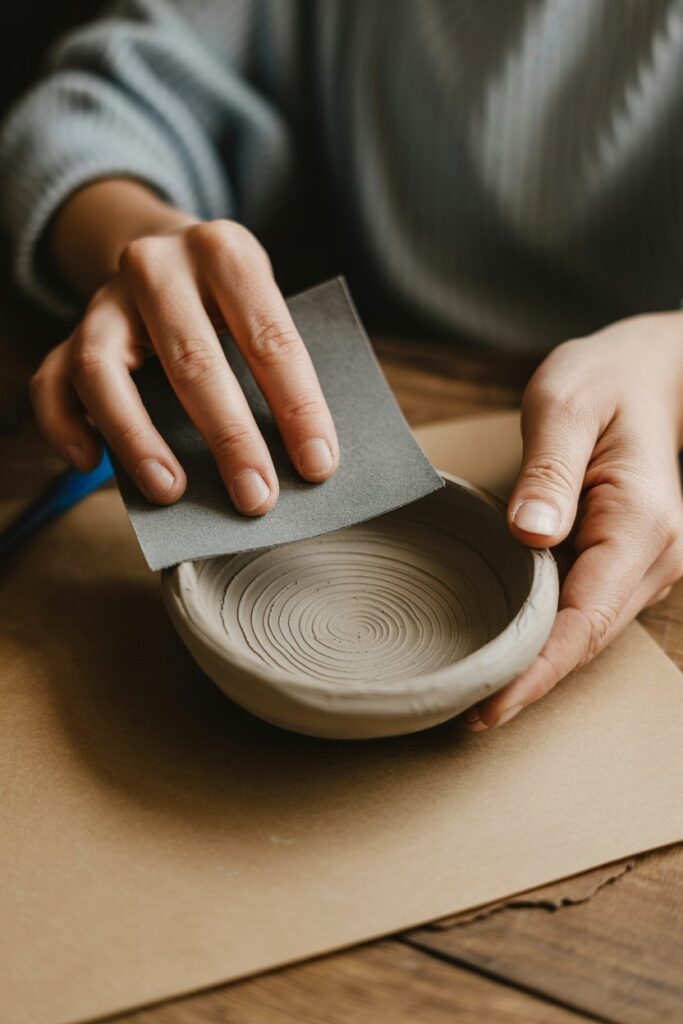
Air dry clay is naturally porous, which means it absorbs paint differently than wood, canvas, or ceramic.
Some paints soak in too quickly, making the color look dull. Others sit on the surface and can chip if the clay has not been prepared properly.
That is why two people can paint the exact same clay project and end up with completely different results.
Once I started using the right paint and preparing my clay properly, my projects instantly looked cleaner, smoother, and much more polished.
Before You Paint: Do These Three Things First
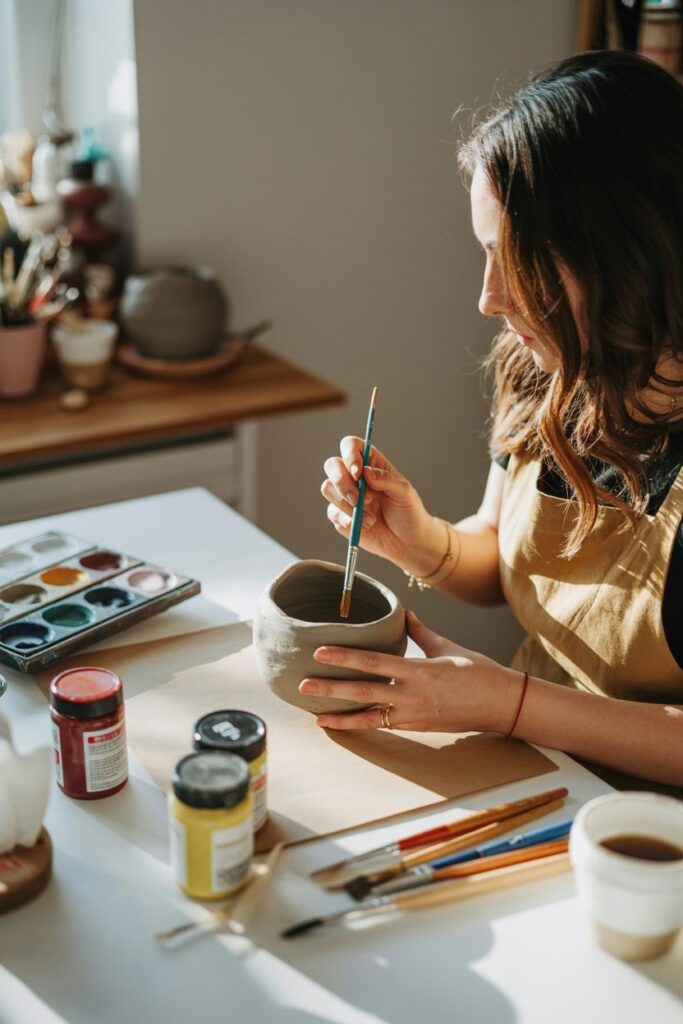
I used to rush straight to painting because I was excited to see the finished project.
Now I never skip these steps because they make every paint job look better.
Let the Clay Dry Completely
This is probably the biggest mistake beginners make.
Even if the outside feels dry, the inside may still contain moisture.
If you paint too early, the finish can become uneven, bubble, or peel over time.
I always leave my projects to dry completely according to the clay manufacturer’s recommendations, and thicker pieces often need extra time.
Sand Rough Edges
You do not need to spend hours sanding.
A few minutes with fine-grit sandpaper removes small bumps, fingerprints, and uneven edges that become much more noticeable once paint is applied.
This simple step gives your project a much smoother, more professional finish.
Remove Dust Before Painting
After sanding, I wipe every piece with a soft, dry cloth.
Any leftover dust can mix into the paint and leave tiny bumps that are difficult to fix later.
It only takes a minute, but it makes a noticeable difference.
Amazon Shopping Essentials You Need for Painting Air Dry Clay
- Air Dry Clay
- Acrylic Paint Set
- Chalk Paint
- Metallic Acrylic Paint
- Paint Pens
- Spray Paint
- Paint Brush Set
- Clear Acrylic Sealer (Matte, Satin
- Paint Palette
These essential supplies will help you prep, paint, add fine details, and seal your air dry clay projects for a smooth, professional-looking finish.
1. Acrylic Paint (The Paint I Recommend Most)
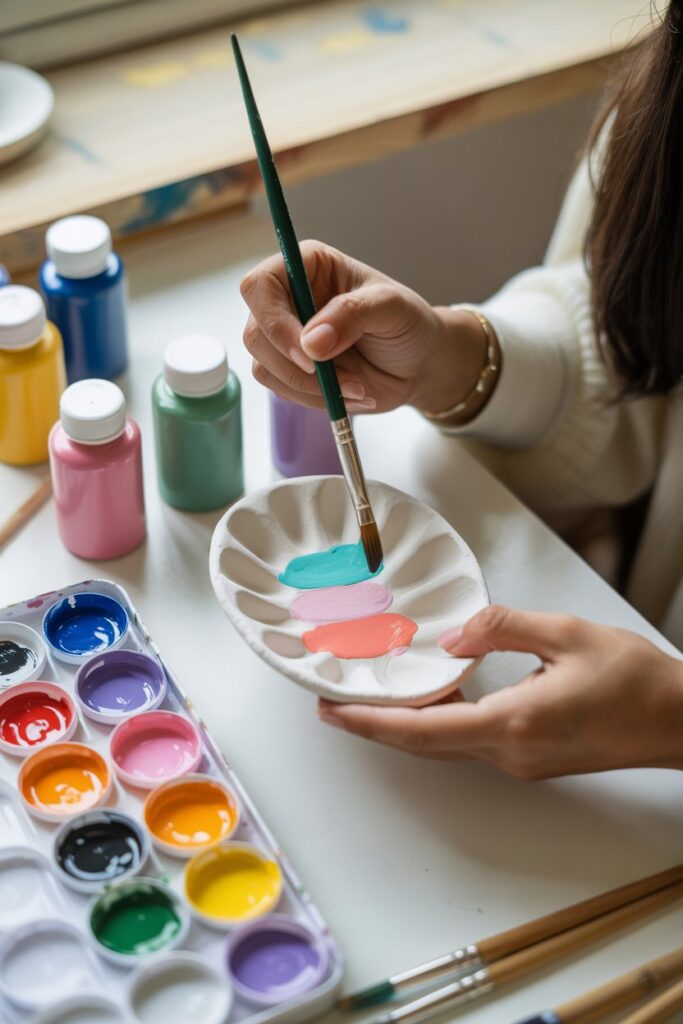
If someone asked me to recommend just one paint for air dry clay, this would be my answer every time.
Acrylic paint is affordable, easy to find, beginner friendly, and available in almost every color you can imagine.
It is also the paint I reach for most often because it gives consistently good results.
Why I Like It
It dries quickly without taking hours between coats.
The colors stay vibrant, and it is easy to layer lighter or darker shades to create depth.
Whether I am painting ornaments, jewelry dishes, decorative bowls, or small figurines, acrylic paint always gives me a smooth, reliable finish.
How I Use It
I always paint in thin layers instead of trying to cover everything at once.
The first coat usually looks slightly uneven, and that is completely normal.
Once it dries, I apply a second thin coat, and sometimes a third for lighter colors.
Thin layers create a much smoother finish than one thick coat.
Best Projects for Acrylic Paint
- Decorative bowls
- Jewelry trays
- Plant pots
- Clay ornaments
- Sculptures
- Home décor
- Seasonal decorations
It is one of the most versatile paints you can own if you regularly work with air dry clay.
My Biggest Tip
Invest in a few good-quality paintbrushes.
When I upgraded from inexpensive brushes to better ones, I immediately noticed fewer brush marks and smoother coverage.
Sometimes it is not the paint causing problems. It is the tools you are using.
2. Chalk Paint (Perfect for a Soft, Matte Finish)
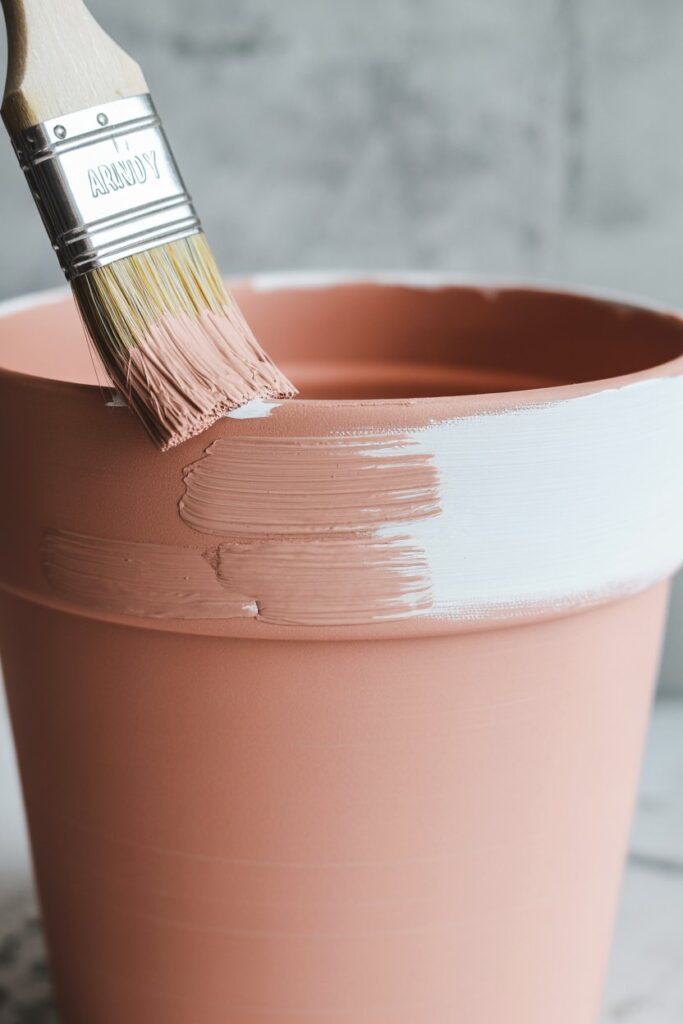
If you love neutral home décor or farmhouse-style crafts, chalk paint is another excellent choice.
It creates a beautiful matte finish that looks soft, elegant, and slightly vintage.
I especially like using it for decorative pieces that are meant to blend into shelves, coffee tables, or entryway décor.
Why I Reach for Chalk Paint
It gives projects a completely different look than acrylic paint.
Instead of bold color, it creates a softer, more natural finish that works beautifully in modern and minimalist spaces.
How I Use It
I apply thin coats using a soft brush, allowing each layer to dry before adding another.
Because chalk paint has a naturally matte finish, I usually seal it afterward to protect it from scratches and moisture.
Best Projects for Chalk Paint
- Decorative trays
- Candle holders
- Rustic home décor
- Vases
- Seasonal decorations
- Display pieces
What I Learned
Chalk paint highlights texture more than acrylic paint.
That means sanding your clay beforehand becomes even more important if you want a clean, professional finish.
3. Watercolor Paint (Best for Decorative Pieces)
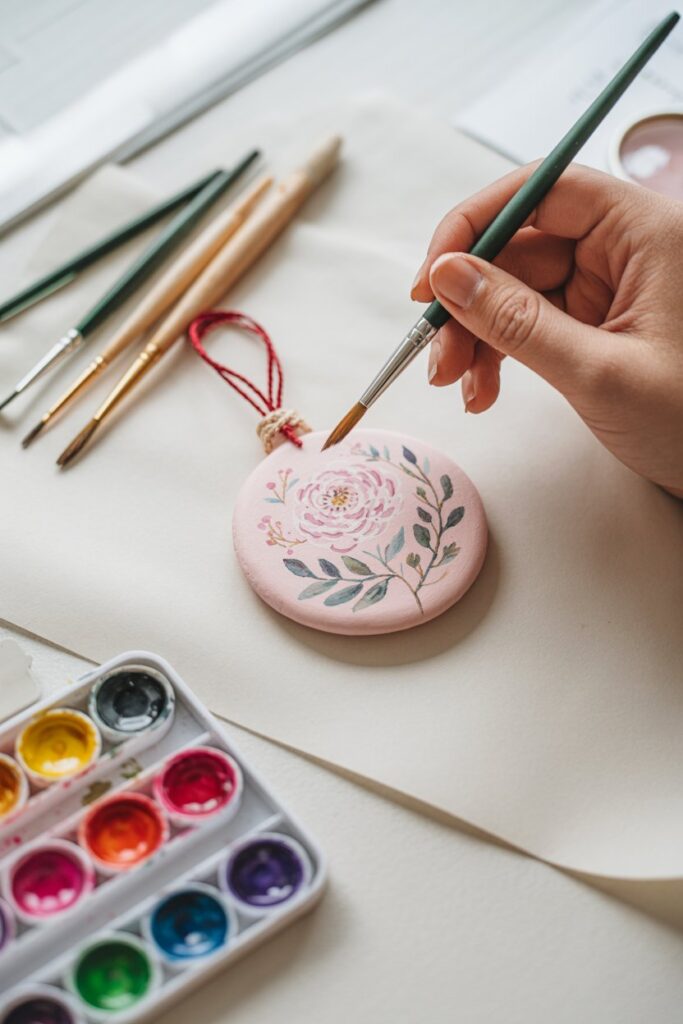
Watercolors are probably the most surprising option on this list.
They create soft, delicate color washes that look beautiful on certain projects, but they are not the best choice for everything.
I only use watercolor when I want a lighter, artistic finish rather than bold, solid color.
Why I Like Using Watercolors
They allow some of the natural texture of the clay to show through.
The finished piece feels more handmade and organic, which works especially well for decorative crafts.
How I Use Them
I apply light washes instead of trying to achieve full coverage.
Once everything is dry, I always seal the project because watercolor alone is not very durable.
Best Projects for Watercolor Paint
- Decorative ornaments
- Wall art
- Handmade gift tags
- Small display pieces
- Floral decorations
4. Metallic Acrylic Paint (When You Want Your Project to Stand Out)
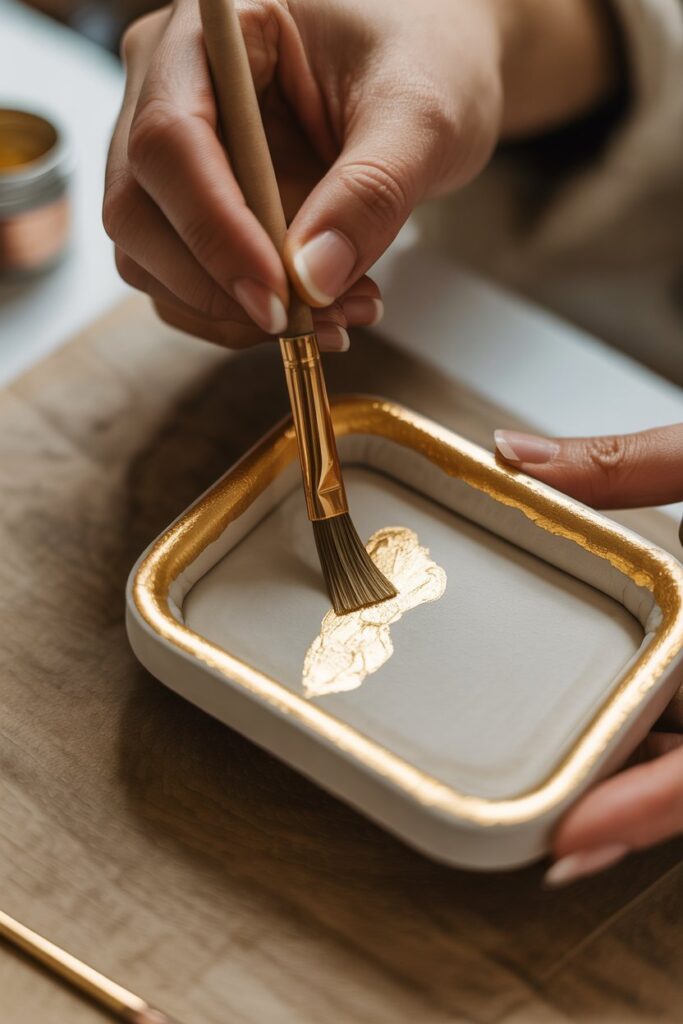
If I want a project to look a little more expensive or decorative, metallic acrylic paint is usually my first choice.
Gold, silver, bronze, and pearl finishes can completely transform a simple clay project without adding much extra work.
I do not use metallic paint on every piece, but when I want to highlight details or create a more elegant finish, it works beautifully.
Why I Like It
Metallic paint catches the light in a way regular paint cannot.
Even a simple jewelry dish or trinket tray can look much more polished with just a few metallic accents.
How I Use It
I rarely paint an entire project in metallic paint.
Instead, I use it to highlight edges, raised patterns, handles, or small decorative details.
Using it as an accent usually creates a more balanced and sophisticated look.
Best Projects for Metallic Paint
- Jewelry dishes
- Decorative trays
- Holiday ornaments
- Picture frames
- Candle holders
- Sculptures
My Biggest Tip
Apply metallic paint after your base color has completely dried.
This gives you cleaner lines and makes the metallic finish stand out much more.
5. Paint Pens (Perfect for Fine Details)
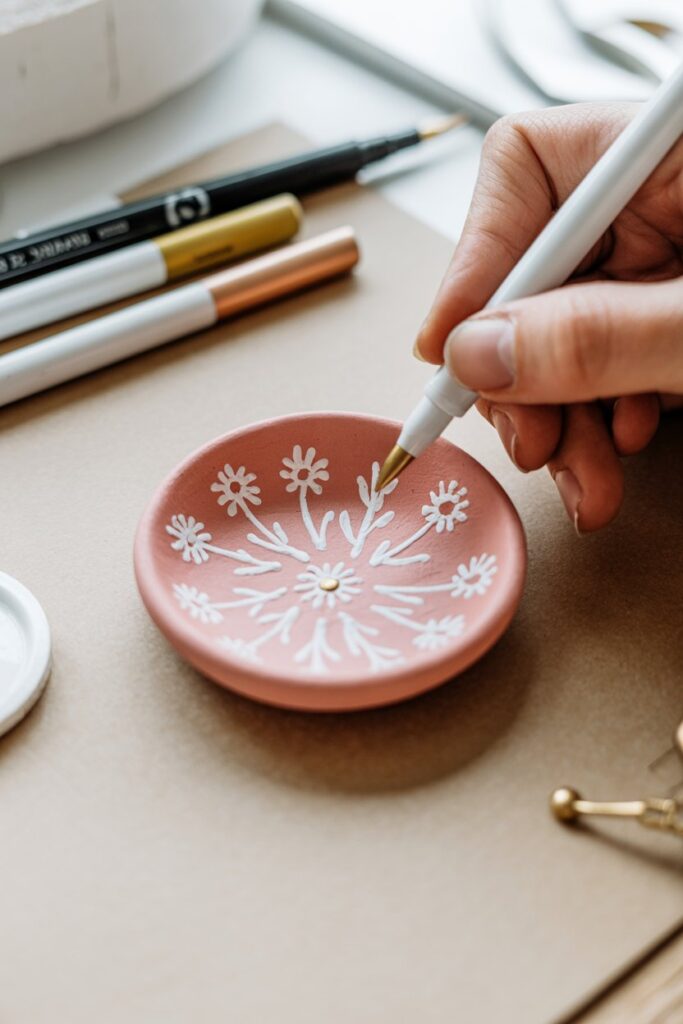
Paint pens quickly became one of my favorite craft supplies.
At first, I thought they were only useful for drawing small designs, but now I use them on almost every painted clay project.
They make it much easier to add clean lines, lettering, patterns, and tiny finishing touches that would be difficult with a brush.
Why I Reach for Paint Pens
Sometimes a paintbrush simply cannot give you the precision you need.
Paint pens allow you to decorate without worrying about shaky brush strokes or uneven lines.
How I Use Them
Once my base coat has dried completely, I use paint pens to add details like:
- Flowers
- Dots
- Geometric patterns
- Names or initials
- Borders
- Simple illustrations
They are also great for personalizing gifts.
Best Projects for Paint Pens
- Name plaques
- Christmas ornaments
- Ring dishes
- Plant markers
- Decorative signs
- Personalized gifts
What I Learned
Always test your paint pen on scrap paper before using it on your project.
Sometimes extra paint comes out when you first press the tip.
6. Spray Paint (Best for Smooth Coverage)
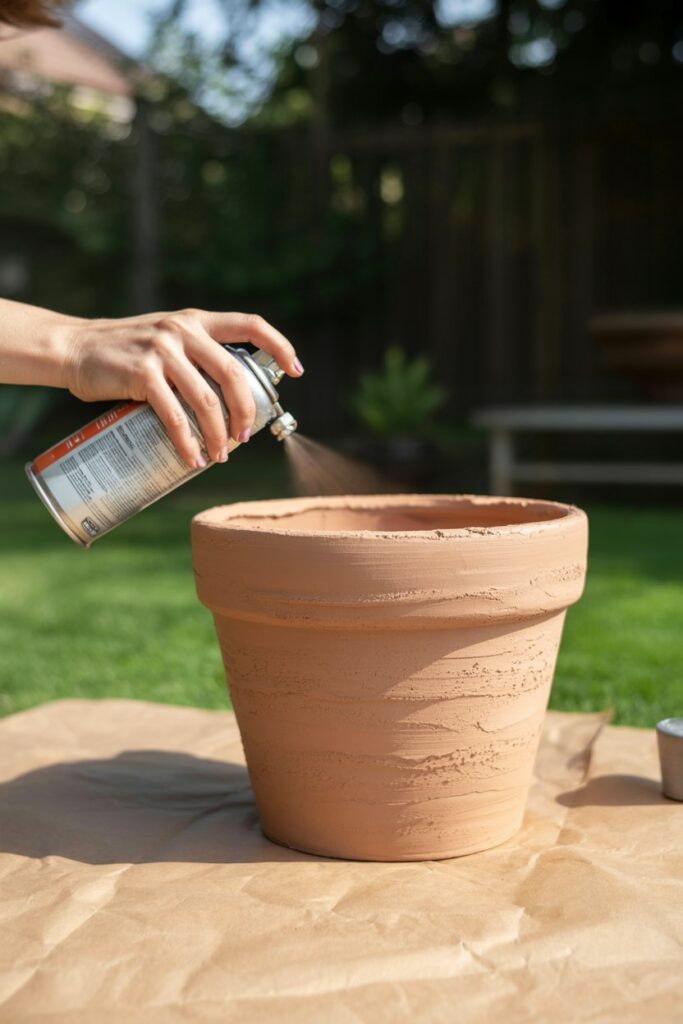
I did not try spray paint until much later, but now I use it whenever I want an ultra-smooth finish.
It gives a very even coat without visible brush marks, making it ideal for larger or simpler projects.
Why I Like It
The finish looks clean and consistent, especially on pieces with smooth surfaces.
It is also much faster than applying several coats with a paintbrush.
How I Use It
I always spray outdoors or in a well-ventilated area.
Instead of spraying heavily, I apply several light coats, allowing each one to dry before adding another.
This helps prevent drips and uneven coverage.
Best Projects for Spray Paint
- Decorative vases
- Storage containers
- Modern home décor
- Sculptures
- Seasonal decorations
What to Keep in Mind
Spray paint is better suited for simple shapes.
If your project has lots of tiny details or textured areas, a brush usually gives you more control.
Common Painting Mistakes to Avoid
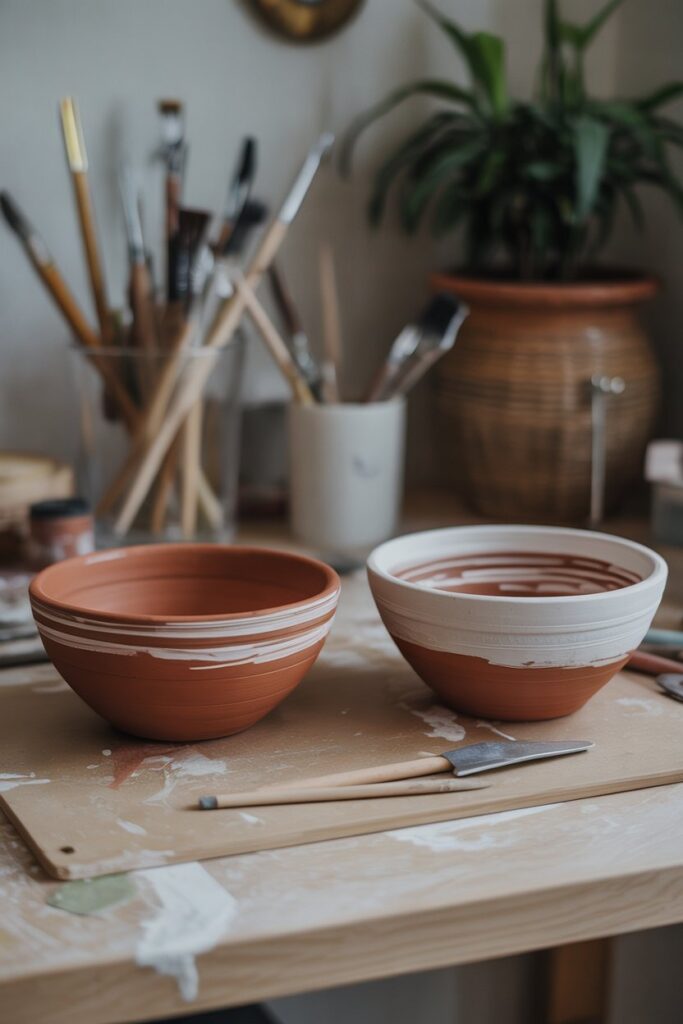
Most painting problems are surprisingly easy to prevent.
These are the mistakes I made when I first started, and avoiding them instantly improved the quality of my finished projects.
Painting Before the Clay Is Fully Dry
It is tempting to start painting as soon as your project feels dry.
I have done it more than once, and every time I regretted rushing.
Always give thicker pieces extra drying time to avoid peeling or cracking later.
Applying Thick Coats
I used to think one thick coat would save time.
Instead, it left visible brush marks and uneven drying.
Several thin coats always produce a smoother finish.
Skipping Sanding
Even small fingerprints become much more noticeable once paint is added.
A few minutes of sanding can completely change the final result.
Forgetting to Seal the Finished Piece
Paint alone is not always enough to protect your project.
A good sealer helps prevent scratches, fading, and moisture damage, especially if the item will be handled often.
Do You Need to Seal Painted Air Dry Clay?
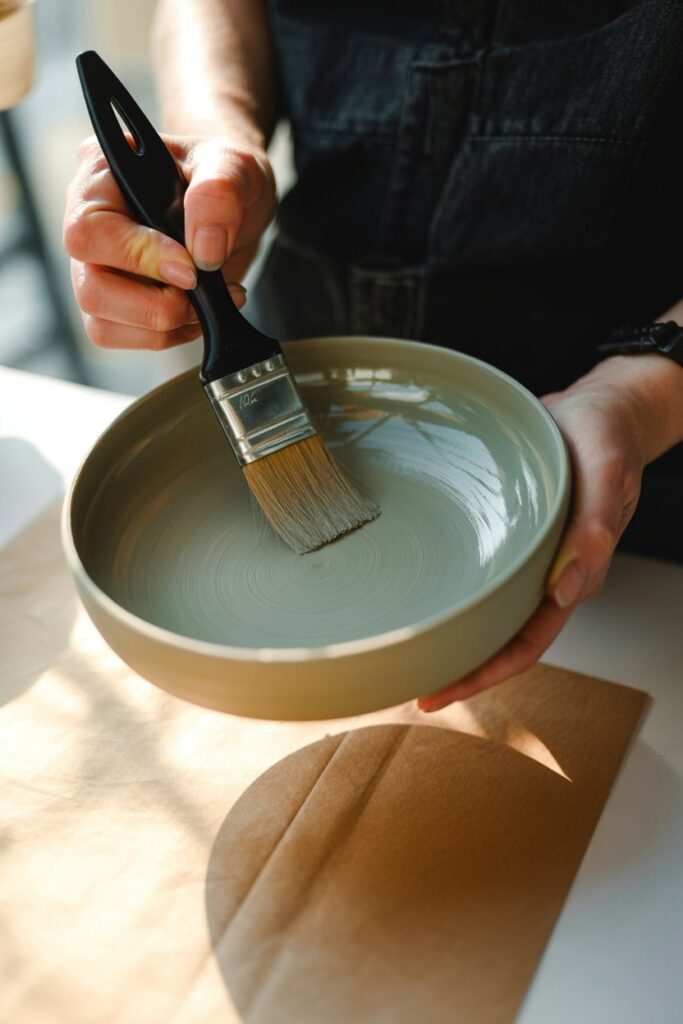
For most projects, my answer is yes.
Sealing your work helps protect the paint and keeps the colors looking fresh for much longer.
It is an extra step, but one that I never skip anymore.
My Favorite Sealers
- Matte sealer for a natural finish
- Satin sealer for a soft sheen
- Gloss sealer for a shiny, polished look
The finish you choose depends on the style of your project, but all three provide added protection.
Which Paint Do I Recommend Most?
If you are just getting started, I would recommend acrylic paint without hesitation.
It is affordable, easy to use, widely available, and works beautifully on almost every type of air dry clay project.
As you become more confident, you can experiment with metallic paints, chalk paint, spray paint, and paint pens to create different finishes and decorative effects.
The best part about working with air dry clay is that there is always something new to try, and painting is one of the easiest ways to make every project feel unique.
Expert Tips for a Professional Finish
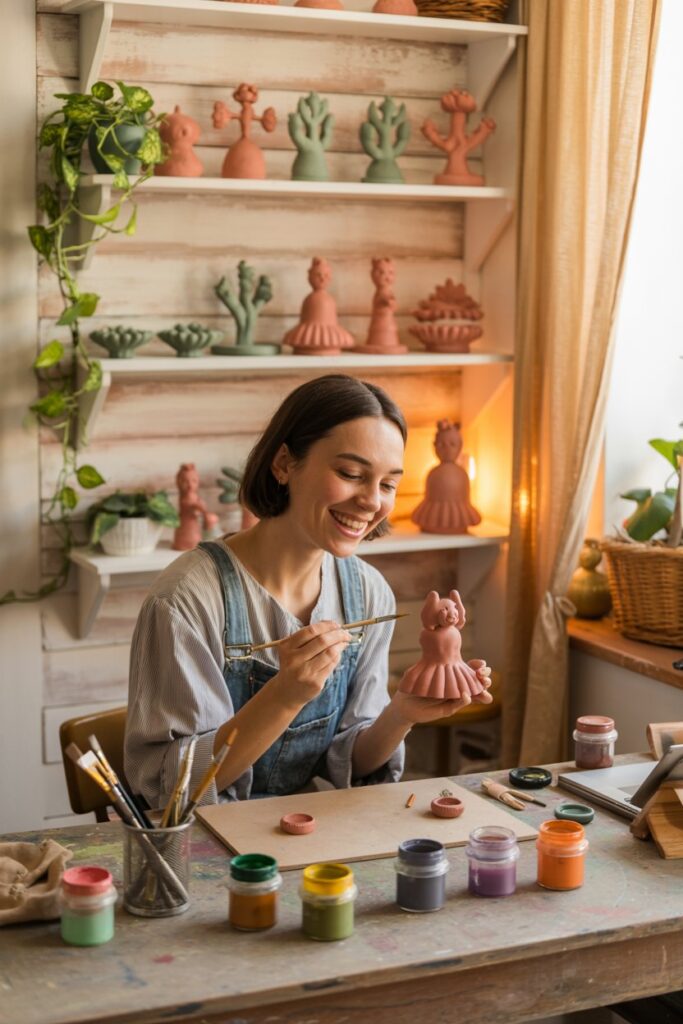
One of the biggest lessons I have learned is that beautiful results rarely come from rushing.
Take your time between each step, allow your paint to dry fully before adding another coat, and do not be afraid to build color gradually.
Thin, even layers almost always look smoother than one thick coat.
I also recommend keeping a small scrap piece of dried clay nearby whenever you paint.
Before trying a new color combination or technique on your finished project, test it first. It only takes a minute, but it can save you from making a mistake that is difficult to fix later.
Finally, remember that the little details make the biggest difference.
Clean brush strokes, smooth edges, and a quality sealer are often what separate a project that looks homemade from one that looks beautifully handcrafted.
With a little patience and the right paint, you will be surprised at how professional your air dry clay projects can look.
Final Thoughts
Finding the best paint for air dry clay is not really about choosing the most expensive brand or buying every type of paint available.
It is about understanding the finish you want and using the right product for the job.
If you are just starting out, I always recommend beginning with a good-quality acrylic paint.
It is easy to work with, forgiving for beginners, and versatile enough for almost any air dry clay project.
As you gain more confidence, you can experiment with chalk paint for a soft matte look, metallic paints for decorative accents, or paint pens to add intricate details and personalize your creations.
Most importantly, do not be discouraged if your first project is not perfect.
Every piece you make teaches you something new, whether it is how much paint to apply, how long to let the clay dry, or which techniques give you the finish you love most.
The more you practice, the more you will develop your own style. And that is one of the best parts of working with air dry clay.
There is always a new idea to try, a new technique to learn, and another beautiful project waiting to be created.

One Comment