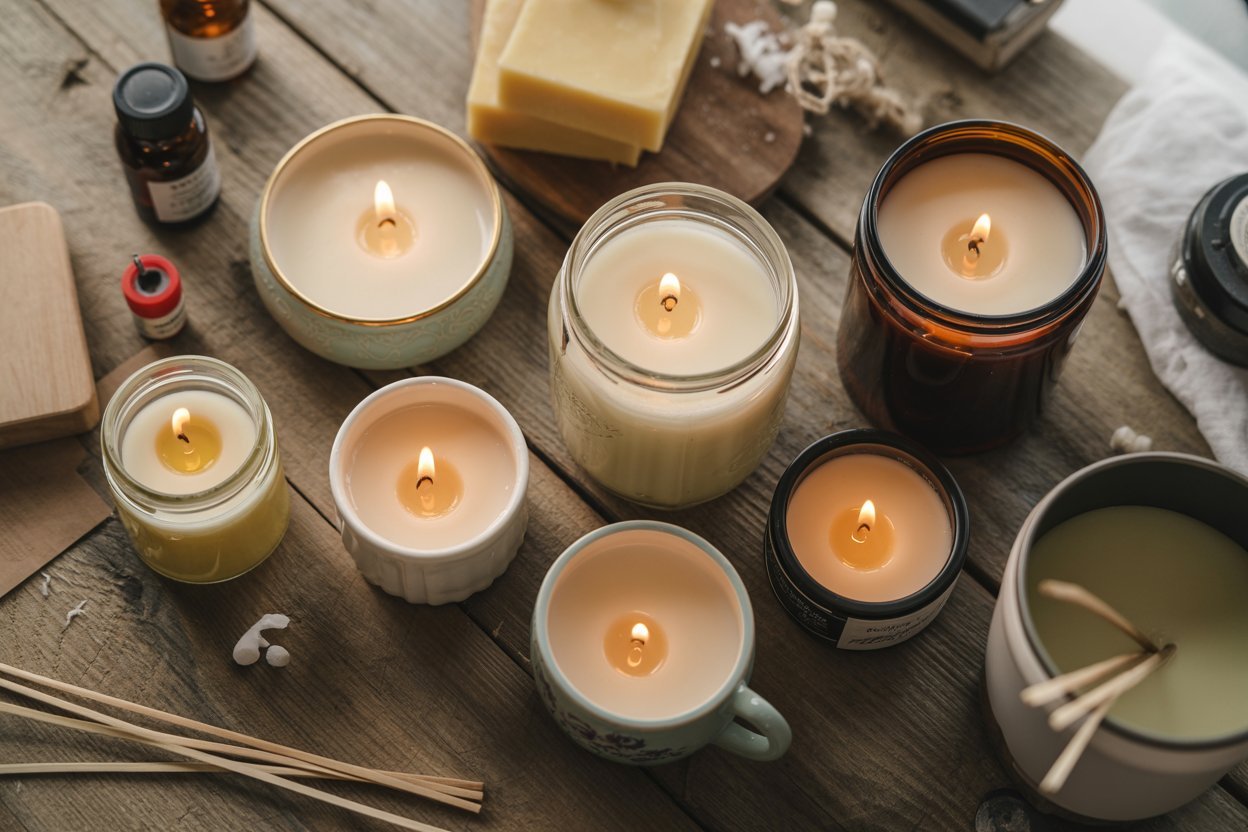
I have to admit something. I have always loved candles. There is something magical about a flickering flame and a room filled with a cozy scent.
But for a long time, I was frustrated because my candles never smelled as strong as I wanted. I would light a candle and barely notice the fragrance unless I was right next to it.
I remember one evening, I had invited a friend over, and I lit a brand-new candle I was so excited about. I waited, hoping the room would smell amazing, but nothing happened. I felt so disappointed.
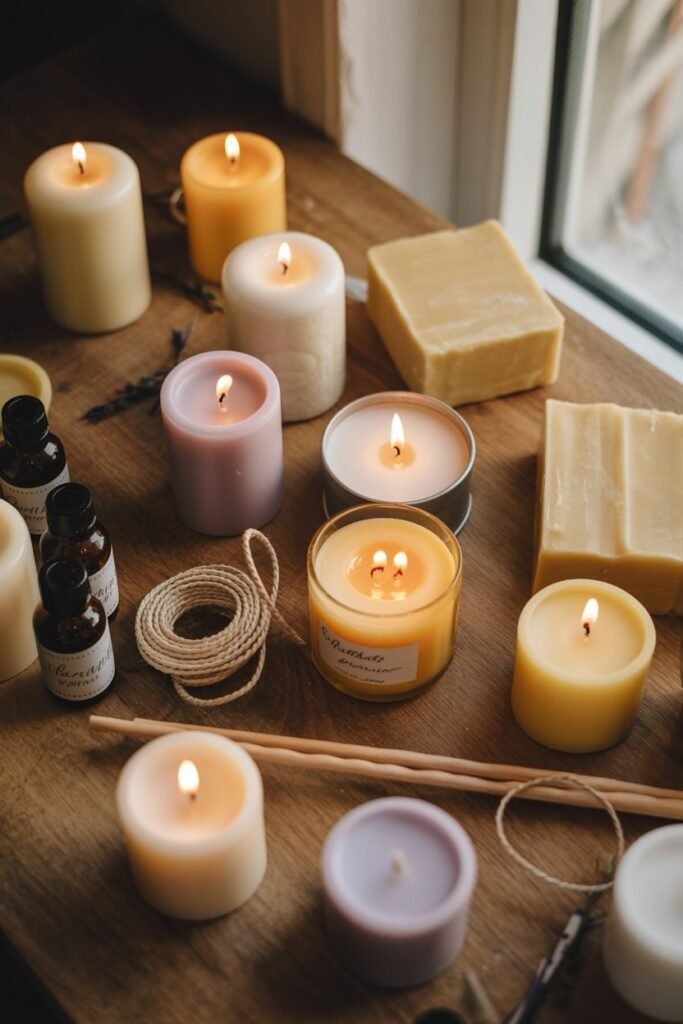
That’s when I decided to figure out what makes a candle truly smell strong and fill a room with fragrance.
After months of experimenting with different waxes, wicks, fragrance oils, and pouring techniques, I finally found some tips that consistently work.
I want to share them with you so that you can make candles that not only smell amazing but also make your space feel warm, inviting, and comforting.
Understanding Scent Throw
Before we jump into the tips, I need to explain scent throw because it is the secret behind strong-smelling candles.
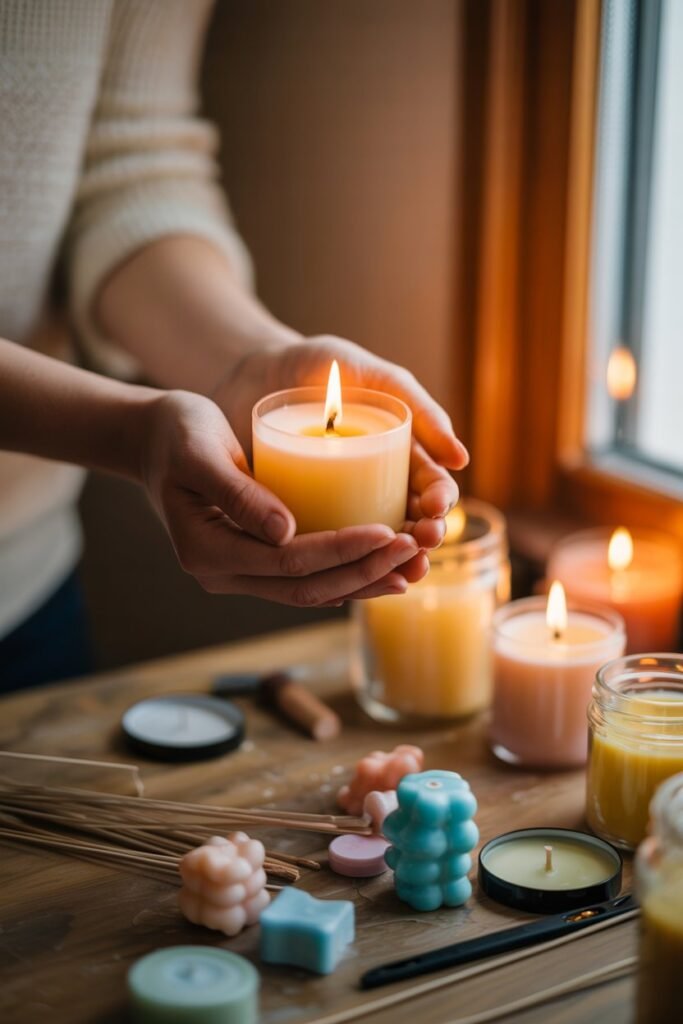
Scent throw is basically how well a candle disperses its fragrance into the air. There are two types you need to know about:
- Cold throw: This is the scent you notice when the candle is unlit.
- Hot throw: This is the scent released when the candle is burning.
When I first learned about this, it changed how I approached candle making. I realized that a candle that smells great unlit doesn’t always have a strong hot throw.
The key is to balance wax, fragrance, and wick so that the scent is released steadily and effectively when the candle burns.
Tip 1: Choose the Right Wax
The type of wax you use is one of the biggest factors in scent throw. I used to just grab whatever was on sale, but I quickly noticed the difference between low-quality wax and high-quality natural wax.

Soy wax is my favorite because it holds fragrance well, burns cleanly, and is easy to work with.
I sometimes use beeswax when I want a subtle honey undertone. Coconut wax is amazing for maximizing scent throw, but it is softer, so I usually blend it with soy for stability.
You might notice that candles made with cheaper paraffin wax sometimes smell strong initially, but the scent fades quickly and often produces a lot of soot.
I found that investing in the right wax makes a huge difference in the overall fragrance experience.
Tip 2: Use High-Quality Fragrance Oils
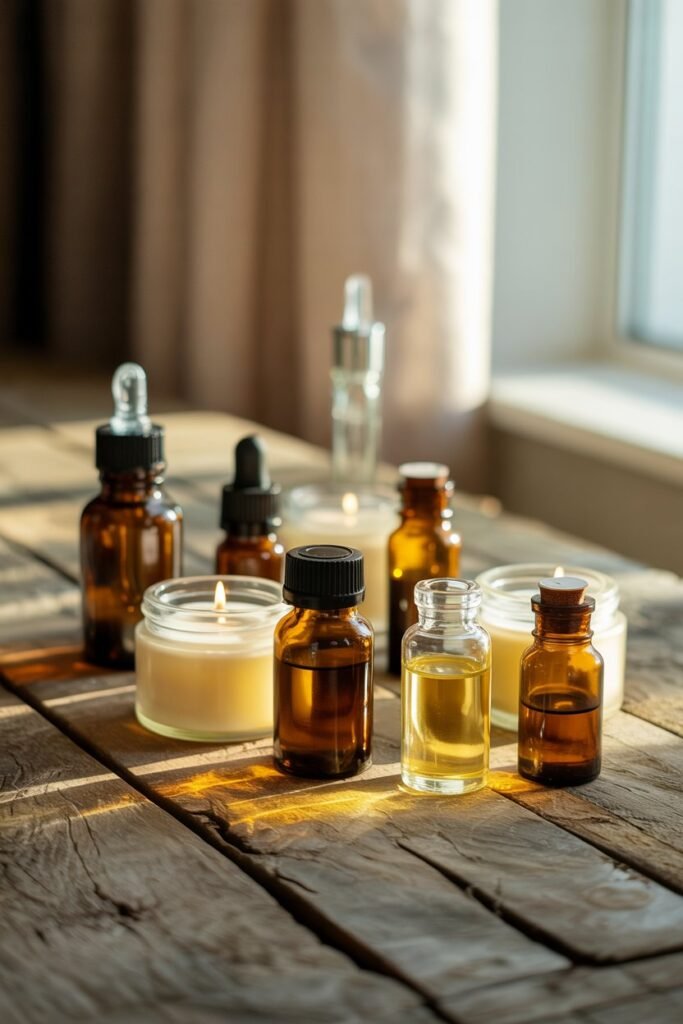
I cannot stress this enough. Fragrance oils are not all the same. When I started candle making, I used inexpensive oils, and my candles always smelled weak or artificial.
I felt frustrated and almost gave up on making strong-smelling candles at home.
When I switched to high-quality fragrance oils, everything changed. The scent was richer, truer to what I wanted, and lasted longer.
If you want candles that really fill your room, spend a little extra on good fragrance oils. I also test a small batch first to make sure the scent blends well with the wax.
This saves you from wasting materials on candles that do not perform.
Tip 3: Measure Fragrance Load Carefully
Adding the right amount of fragrance oil is critical.

I used to eyeball it, thinking more oil would automatically make the candle stronger. That was a mistake.
Too little oil and your candle smells weak. Too much oil and it can affect how the candle burns, sometimes creating smoke or uneven burning.
I learned to follow the recommended fragrance load for the type of wax I am using. For soy wax, I usually stick to around 6 to 10 percent fragrance oil by weight.
Measuring precisely has helped me consistently produce candles that smell amazing without compromising their burn quality.
Tip 4: Select the Correct Wick
I remember thinking the wick was just a tiny piece of string and didn’t matter much. I could not have been more wrong.
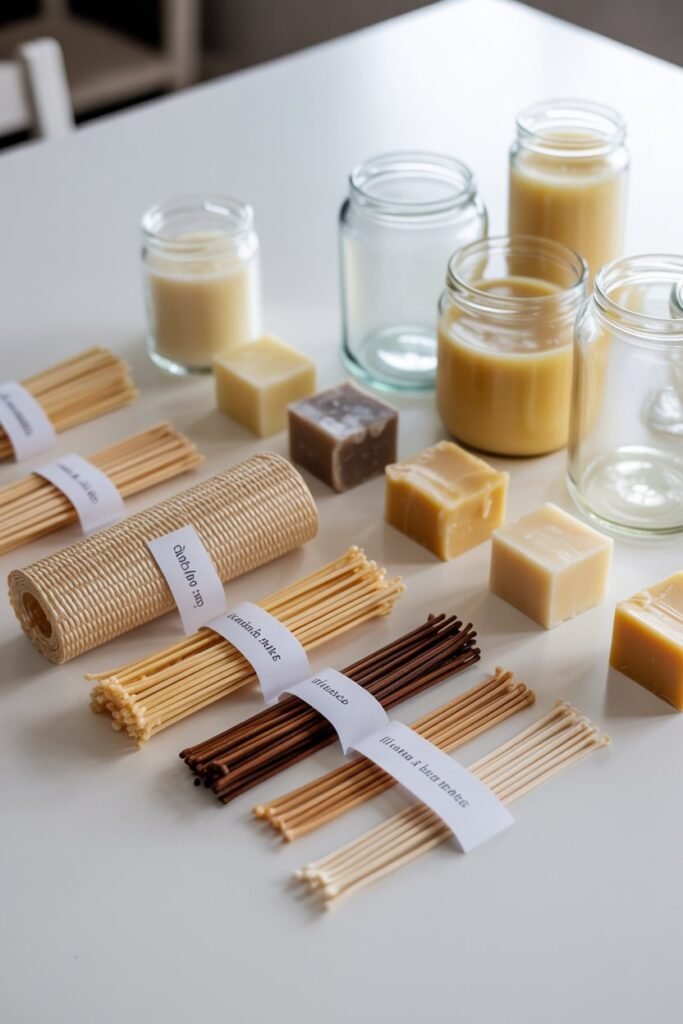
The wick affects both how the candle burns and how strong the scent throw is.
A wick that is too small does not create enough heat to release fragrance effectively. A wick that is too large burns too hot and can burn off the fragrance too quickly.
I experiment with different wicks depending on the wax type, fragrance load, and container size.
Once I found the right wick for each candle, the difference in scent throw was remarkable.
Tip 5: Pour at the Right Temperature
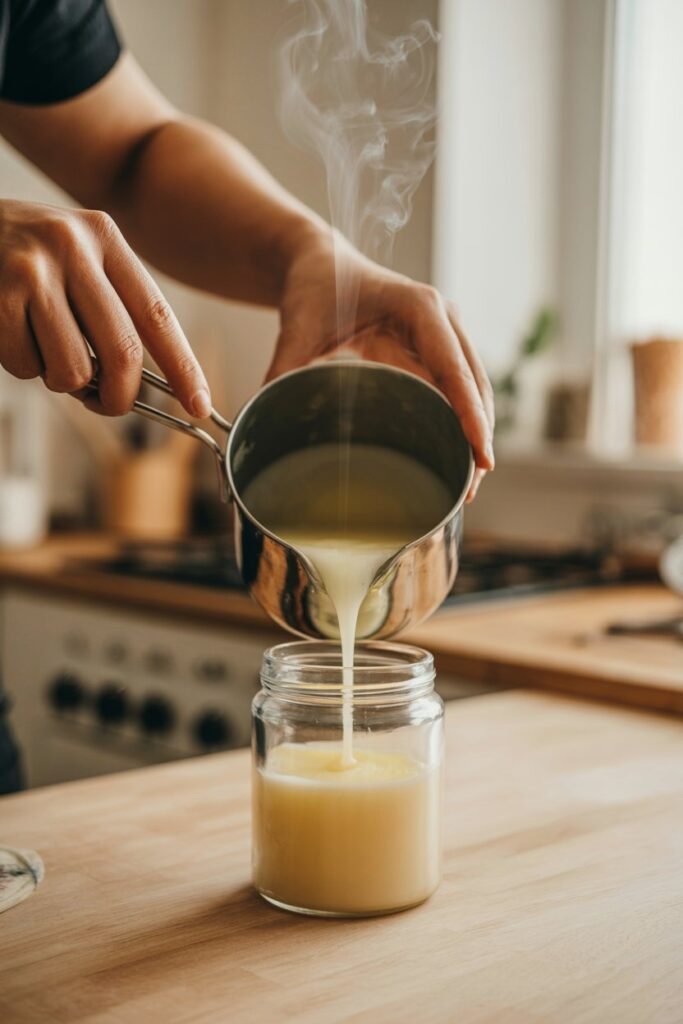
I used to rush this step. I would melt the wax, mix in the fragrance, and pour immediately. I noticed that sometimes the candles had uneven scent distribution or weak hot throw.
I learned that pouring temperature matters. Pouring too hot can burn off some of the fragrance oils, and pouring too cold can prevent the fragrance from mixing evenly.
Now I always follow the recommended temperature range for the wax I use. I mix in the fragrance oils at the perfect moment, and the results are consistent every time.
Tip 6: Cure Your Candles Properly
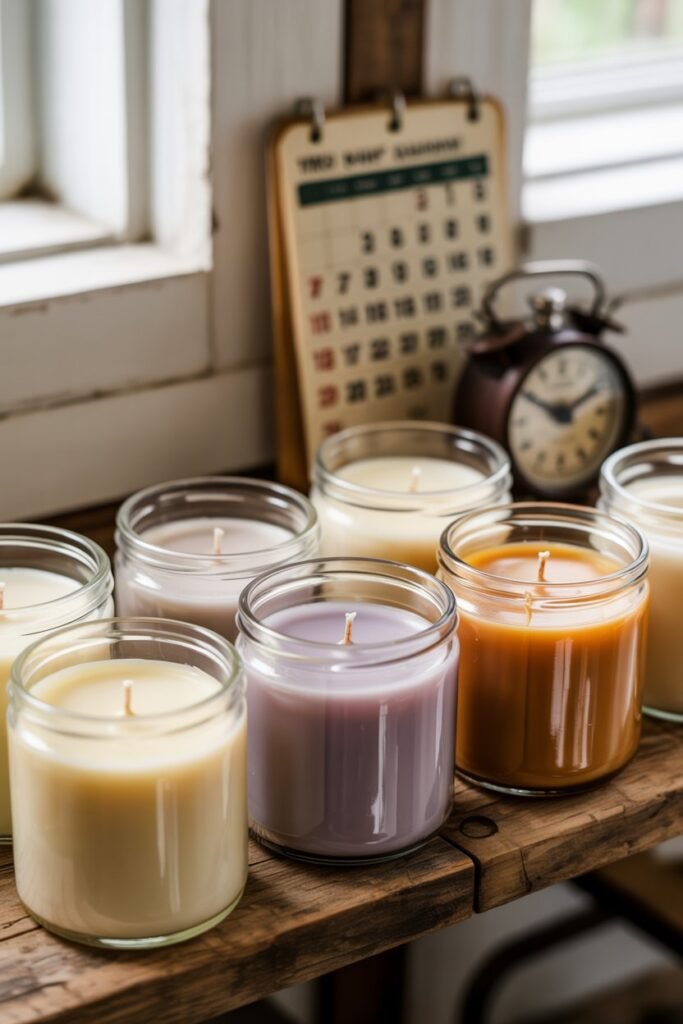
This is a step many beginners overlook. I used to light candles right after pouring them. The scent throw was weak, and I felt frustrated. Patience is essential.
I let my candles cure for at least 48 hours, and ideally 1 to 2 weeks. During this time, the fragrance fully integrates with the wax, and the candle develops a much stronger scent throw.
I store them in a cool, dry place away from sunlight. The improvement is amazing. Candles that are properly cured smell stronger, burn evenly, and last longer.
Bonus Tips for Extra Strong Scent
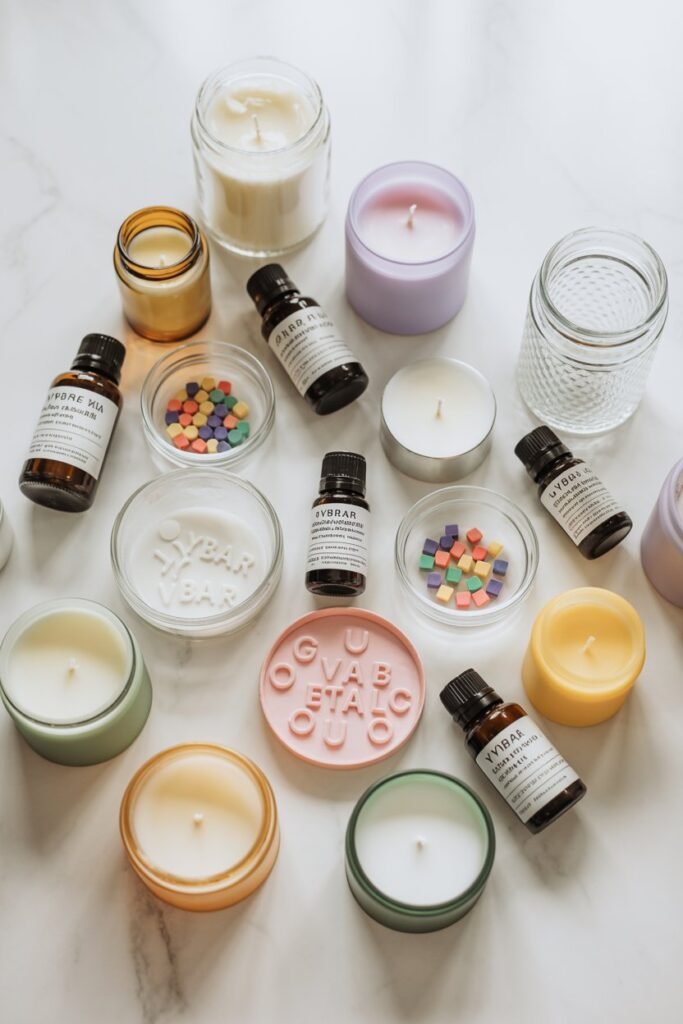
If you want to take it a step further, here are a few things I do to maximize fragrance:
- Use additives: Ingredients like Vybar or stearic acid can help the wax hold fragrance better.
- Layer scents: Combining complementary fragrance oils creates a more complex and stronger aroma.
- Optimize room conditions: Burn candles in rooms with good airflow so the scent spreads evenly.
I have found that experimenting with these small adjustments can make a big difference in your candle-making results.
Final Thoughts
Learning how to make candles smell stronger was a game changer for me.
By using the right wax, high-quality fragrance oils, correct wick size, precise pouring temperature, and proper curing, I can consistently create candles that fill my space with a beautiful scent.
I want you to enjoy the same satisfaction. These tips are not complicated, but they require attention and care. When you follow them, you can turn a simple candle into a luxurious sensory experience.
I encourage you to experiment, have fun, and notice how the right combination of ingredients and techniques can transform your candle-making results.
Lighting a candle should be more than just a ritual; it should be a moment of joy, relaxation, and indulgence. With these tips, I know you can create candles that smell amazing and bring that same feeling into your home.