Perennial Flower Garden Design Tips for a Beautiful, Low-Maintenance Garden
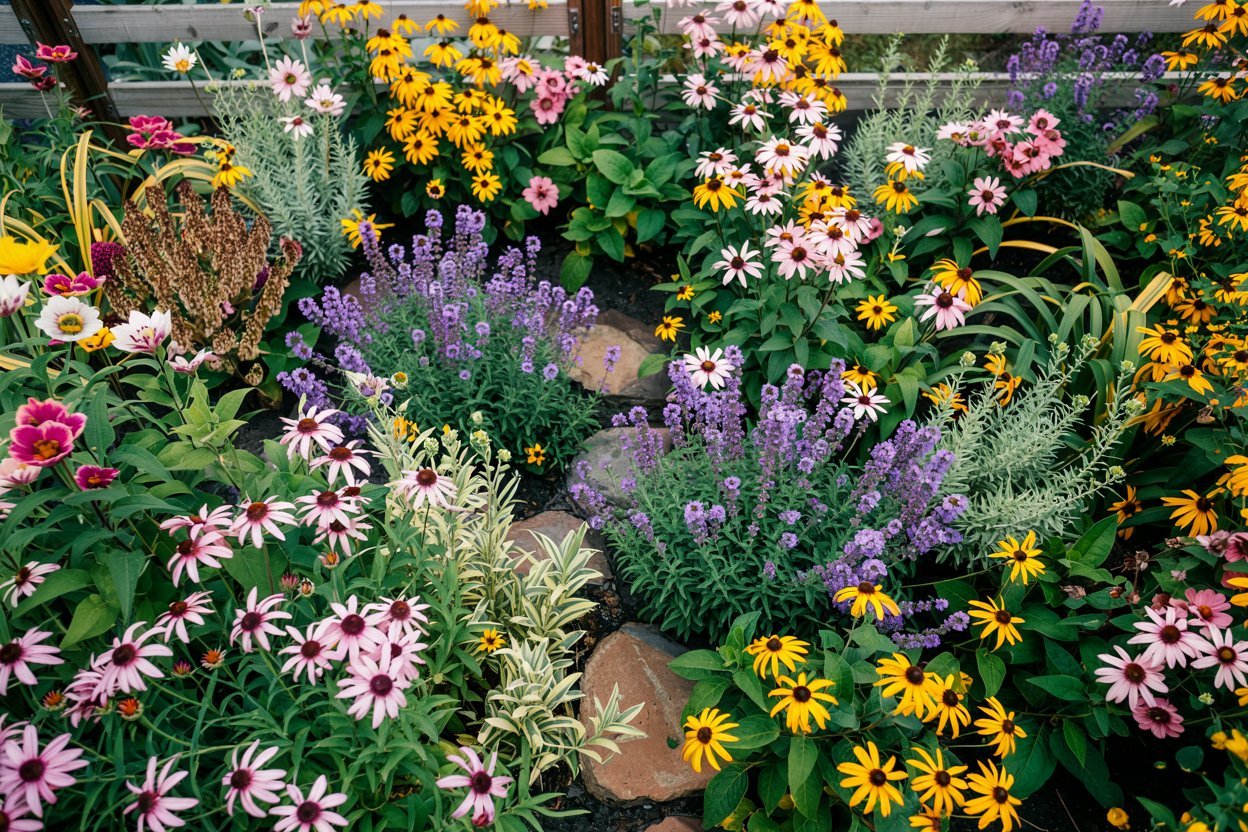
Designing a perennial flower garden can feel overwhelming at first. There are so many plants to choose from, different bloom times to think about, and the pressure of wanting everything to look good not just once, but year after year.
I used to think perennial gardens just “worked themselves out” over time. Plant a few flowers, water them, and hope for the best.
In reality, the most beautiful perennial gardens are designed with intention.
When you plan for height, color, bloom seasons, and spacing from the start, your garden looks fuller, healthier, and easier to maintain.
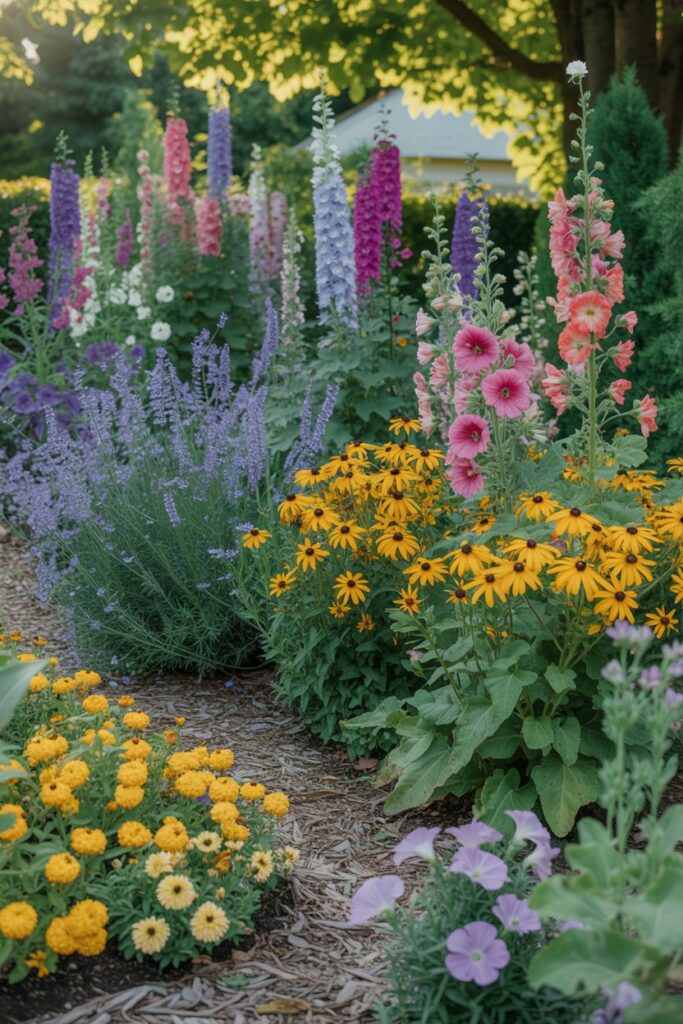
The good news is you don’t need to be a professional landscaper to get it right.
With a little planning and a few smart design principles, you can create a perennial flower garden that looks balanced, blooms beautifully throughout the seasons, and comes back stronger every year.
In this guide, I’m sharing 10 expert-backed tips that actually work. These are practical, beginner-friendly ideas you can use whether you’re starting from scratch or improving an existing garden bed.
🌿 Garden Tools & Products I Love
Here are a few must-have Amazon products that make perennial gardening easier, more enjoyable, and stress-free:
- Ergonomic Trowel – Dig, plant, and transplant perennials without straining your wrists.
- Bamboo Plant Stakes – Keep your tall perennials upright and looking tidy all season long.
- Stainless Steel Pruners – Trim dead or overgrown branches with ease for healthier plants.
- Garden Kneeling Pad – Protect your knees while planting or weeding.
- Garden Planning Notebook – Track bloom times, plant locations, and growth for a perfectly organized garden.
Start With Sun and Soil Conditions
Before choosing a single flower, take time to understand your garden’s sunlight and soil.
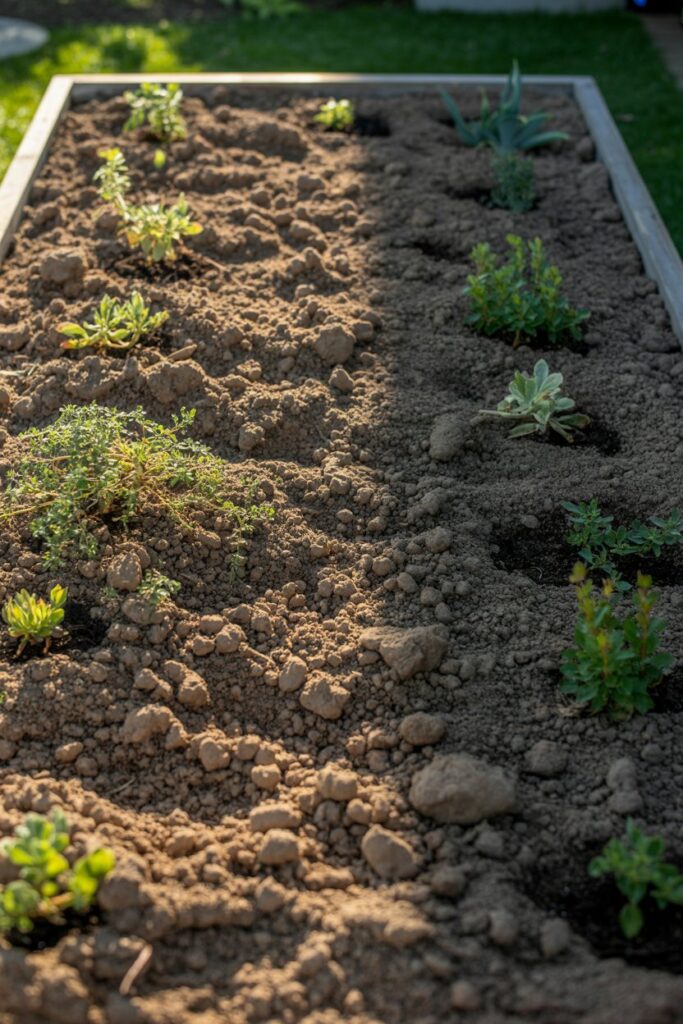
This step alone can determine whether your perennial garden thrives or struggles. Spend a day observing how much sun the area gets.
Full sun means six or more hours of direct light, while part shade and full shade require very different plant choices.
Soil quality matters just as much. Check whether your soil drains well or holds water after rain.
Most perennials prefer loose, well-draining soil, but some thrive in moist or clay-heavy conditions. Amending your soil with compost before planting gives your garden a strong foundation and helps plants establish faster.
Designing around what your space naturally offers, instead of fighting it, leads to healthier plants, fewer replacements, and a garden that improves every year.
Choose Perennials With Different Bloom Times
A beautiful perennial garden should not peak for just a few weeks and then fade.
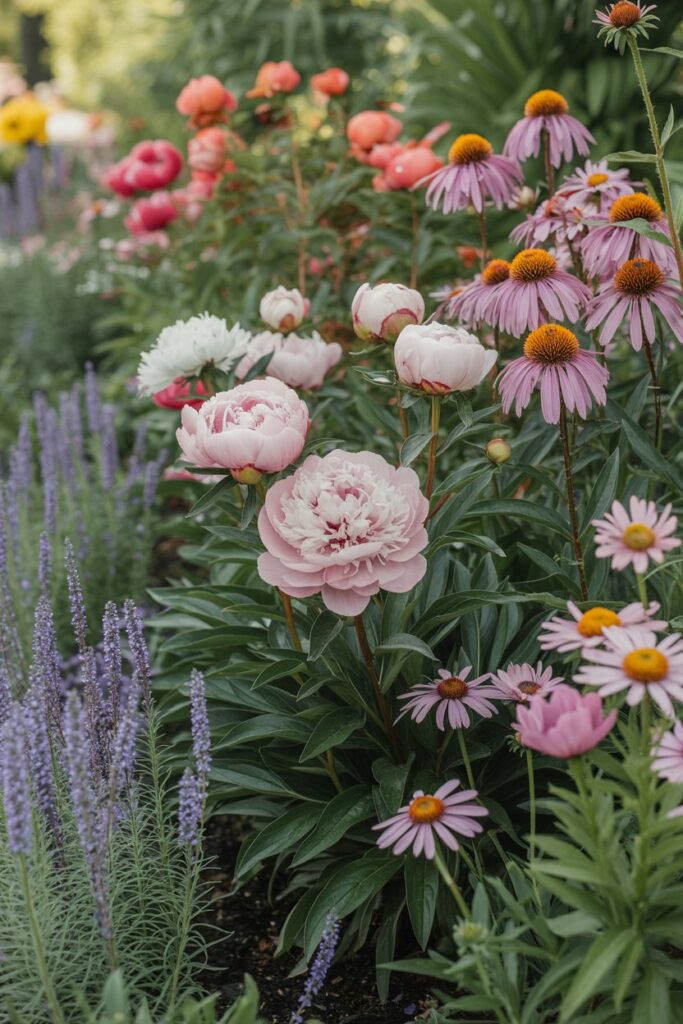
The secret is selecting plants that bloom at different times throughout the growing season. Early bloomers like peonies and irises bring color in spring, while coneflowers and daylilies shine in summer.
Fall bloomers such as asters and sedum keep the garden looking lively well into autumn.
When planning your layout, think in seasons rather than months. Aim to have at least a few plants blooming at all times. This approach keeps your garden visually interesting and ensures that pollinators always have something to enjoy.
Group Perennials for a Natural, Professional Look
One common mistake beginners make is planting perennials one at a time, spacing different plants evenly across the bed.
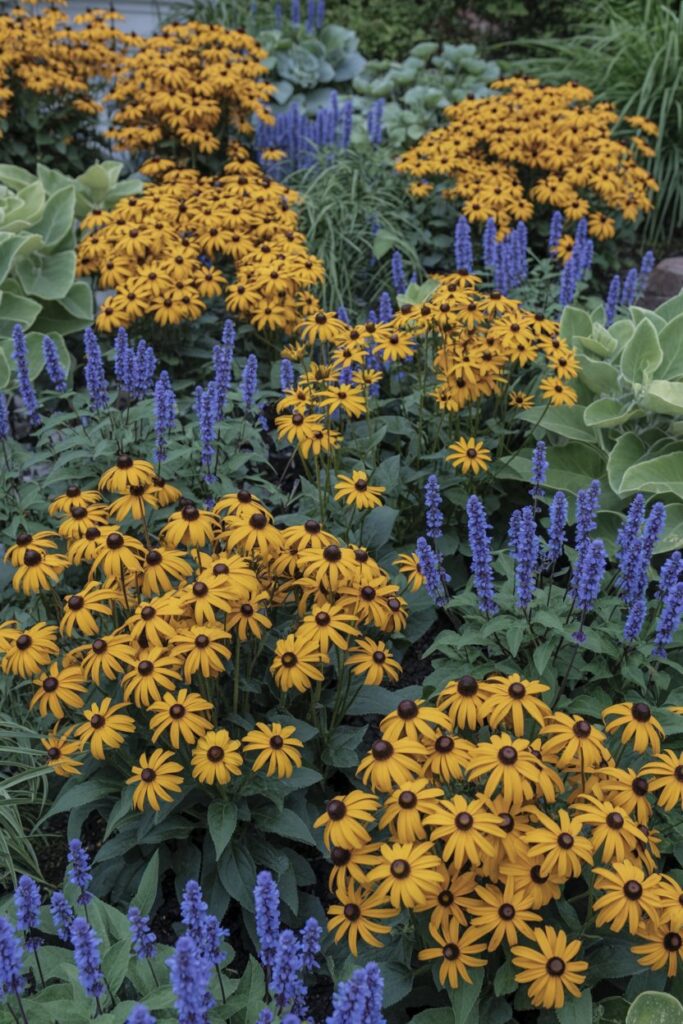
While it might seem logical, this often results in a scattered, unfinished look. Instead, grouping perennials creates cohesion and visual impact.
Aim to plant in odd-numbered groups like three, five, or seven. This mimics how plants grow in nature and makes the garden feel more intentional.
For example, a cluster of black-eyed Susans or salvia instantly looks fuller and more striking than a single plant standing alone.
Grouping also simplifies care. Plants with similar sunlight, watering, and soil needs are easier to maintain when they’re planted together.
Over time, these groupings will blend into one another, creating soft transitions and a more mature-looking garden.
Design With Mature Size in Mind
It’s tempting to plant perennials close together so the garden looks full right away, but this often leads to overcrowding within a year or two.
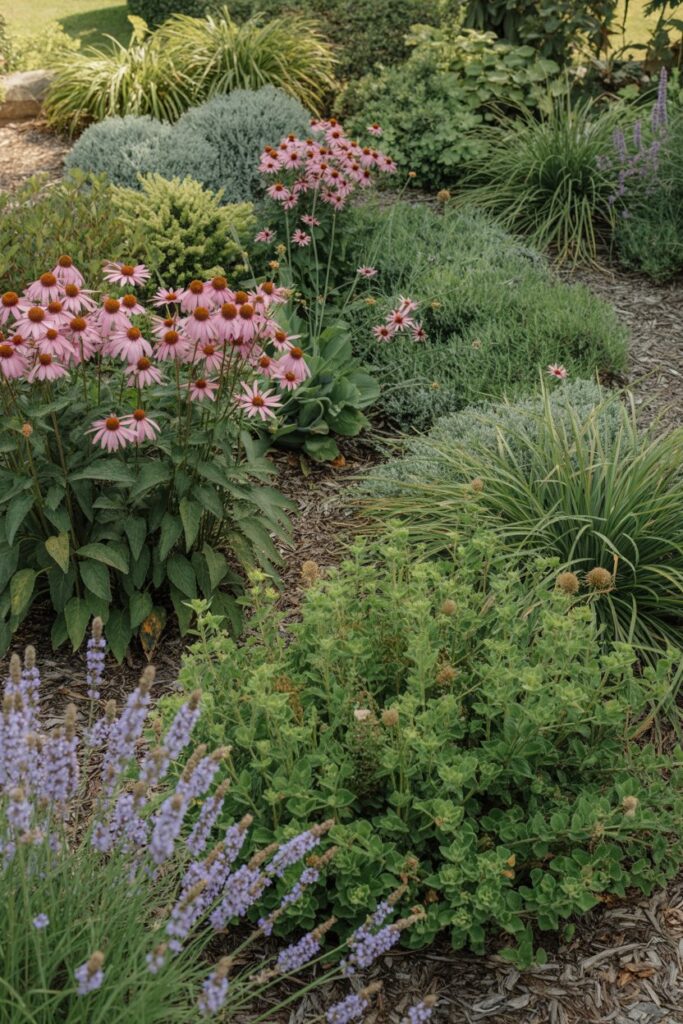
Perennials are long-term plants, and many grow much larger than they appear at planting time.
Always check the mature height and width listed on the plant label. Give each plant enough space to grow comfortably without competing for nutrients or airflow.
Proper spacing helps prevent disease, encourages stronger root systems, and reduces the need for frequent dividing.
If the garden looks sparse in the first season, that’s normal. Perennial gardens are meant to fill in gradually.
By year two or three, the space will look lush and established without constant rearranging.
Focus on Texture and Foliage, Not Just Flowers
Flowers may be the stars of the show, but foliage is what carries a perennial garden through the entire season.
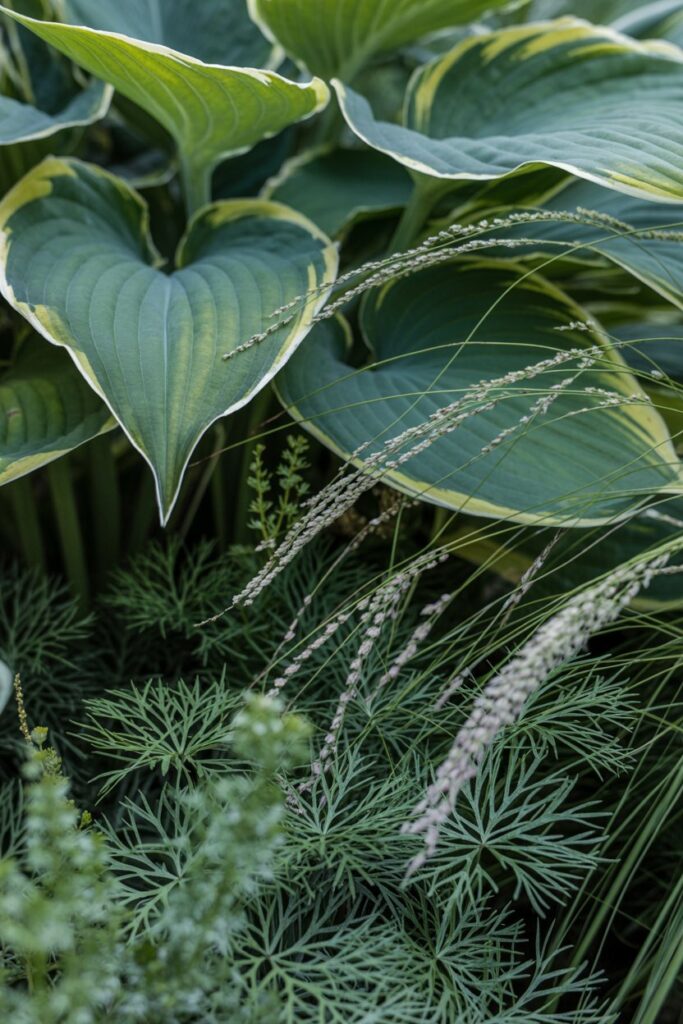
When designing your layout, think beyond color and include plants with varied leaf shapes, sizes, and textures.
Pair fine, airy plants like ornamental grasses or yarrow with bold-leaf perennials such as hostas or ligularia.
This contrast adds depth and keeps the garden visually interesting even when fewer plants are in bloom.
Including foliage-focused plants also ensures your garden looks good from early spring to late fall. When flowers fade, layered textures and movement still make the space feel alive and thoughtfully designed.
Plan for Continuous Blooms From Spring to Fall
A well-designed perennial garden should offer interest throughout the growing season, not just during one peak moment.
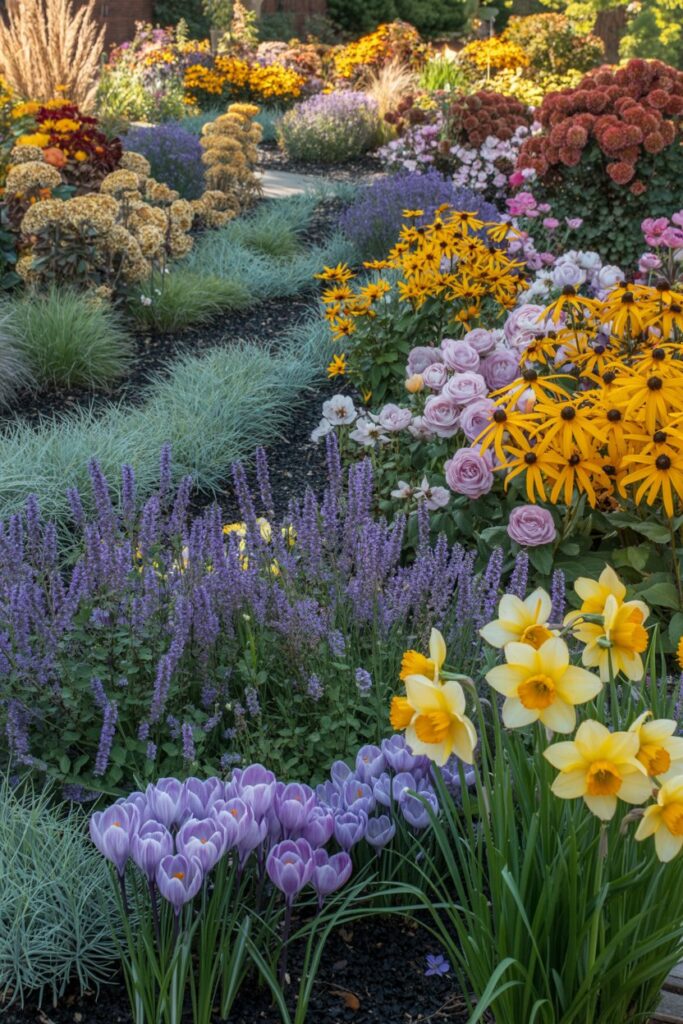
To achieve this, choose plants with staggered bloom times so something is always flowering.
Start with early bloomers like hellebores, creeping phlox, or peonies to bring color in spring.
Add summer performers such as coneflowers, daylilies, and salvia to carry the garden through the warm months. Finish with fall bloomers like asters, sedum, or ornamental grasses that shine when most gardens fade.
When planning your layout, mix these bloom times within each planting area rather than separating them by season. This ensures every section of your garden looks vibrant at different points in the year.
Use Repetition to Create Flow and Cohesion
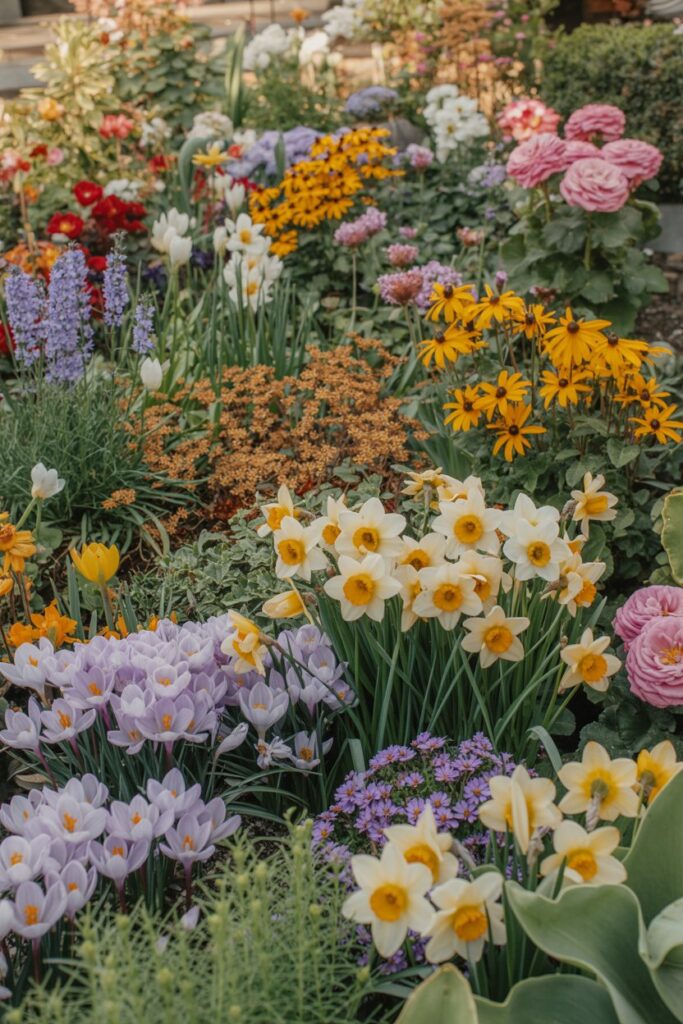
Repetition is one of the easiest ways to make a garden feel professionally designed. Instead of using many different plants once, repeat key perennials throughout the space.
Choose two to four “anchor plants” and place them in multiple locations across the garden.
This might be a specific flower color, plant shape, or foliage type. Repeating these elements helps guide the eye and ties the entire garden together.
This approach also keeps the design from feeling chaotic. A limited, repeated palette looks calmer, more intentional, and easier to maintain over time.
Finish With Structure, Edging, and Mulch
The final step is what transforms a garden from nice to polished. Clean edges define the space and separate planting areas from lawns or walkways.
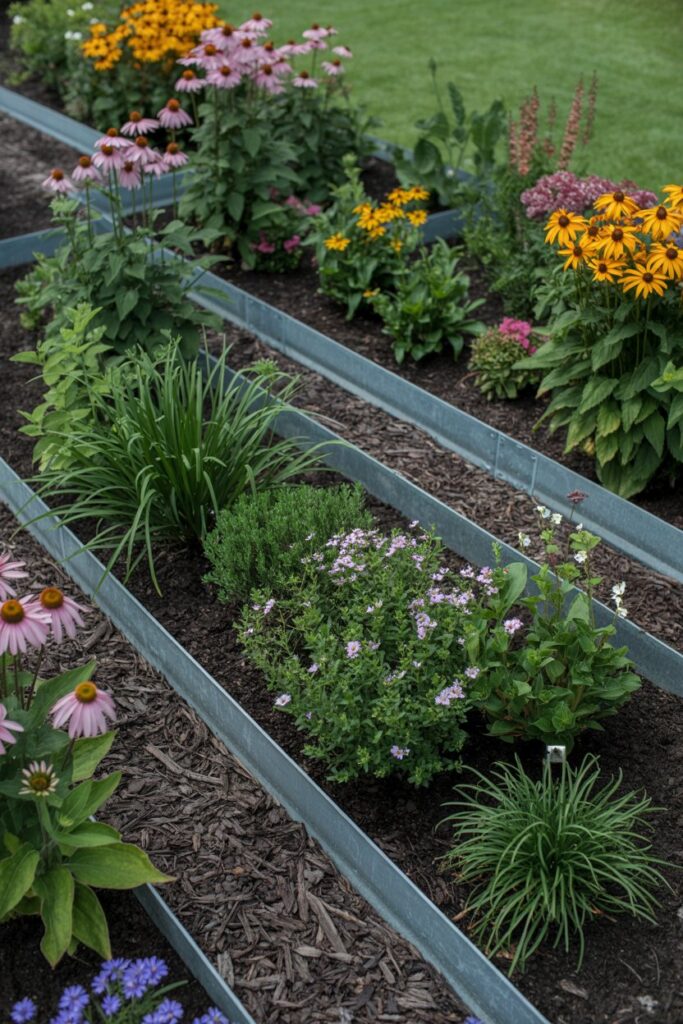
Whether you use stone, metal edging, or a simple trench edge, clear borders instantly elevate the look.
Mulch is just as important. It locks in moisture, suppresses weeds, and gives the garden a cohesive finish.
Organic mulch like bark or shredded wood works well for most perennial beds and improves soil quality as it breaks down.
As a bonus, adding a few structural elements such as a garden path, decorative stones, or a focal feature like a birdbath or trellis gives the space personality and year-round interest.
Key Takeaways
Designing a perennial flower garden is all about planning with the future in mind.
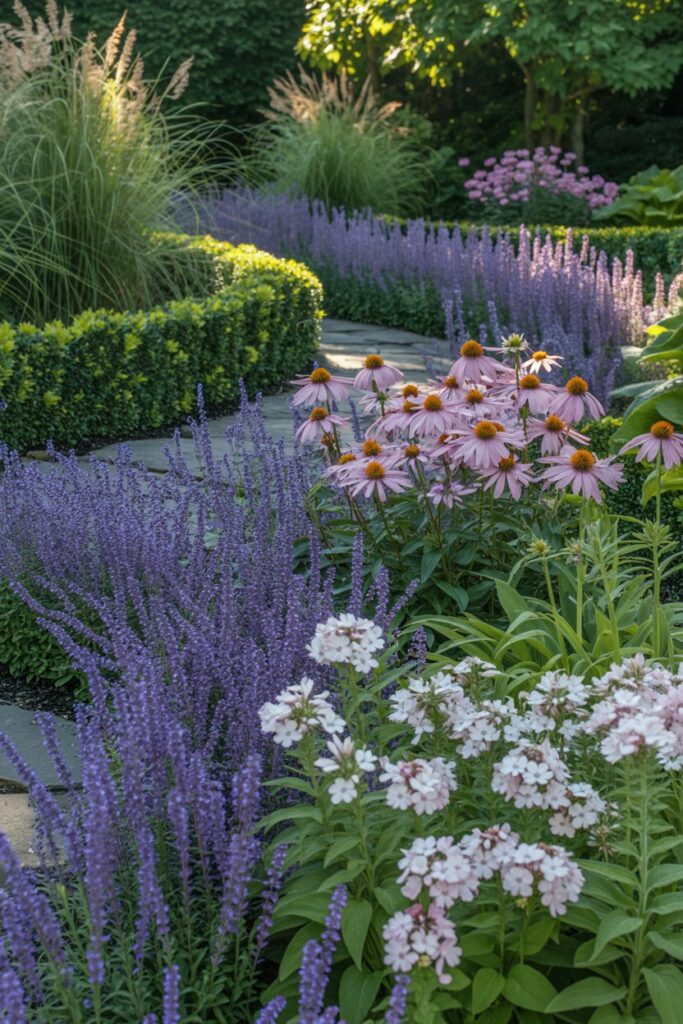
Start by understanding your space, sunlight, and soil so your plants can thrive with minimal effort.
Choose a mix of perennials with different heights, textures, and bloom times to keep your garden visually interesting from spring through fall.
Focus on repetition and balance rather than overcrowding the space.
Fewer plant varieties used thoughtfully will always look more cohesive and professional.
Finally, finish strong with clean edging, mulch, and simple structure to tie everything together.
When done right, a perennial garden becomes more beautiful each year while requiring less maintenance over time.
Frequently Asked Questions (FAQ)
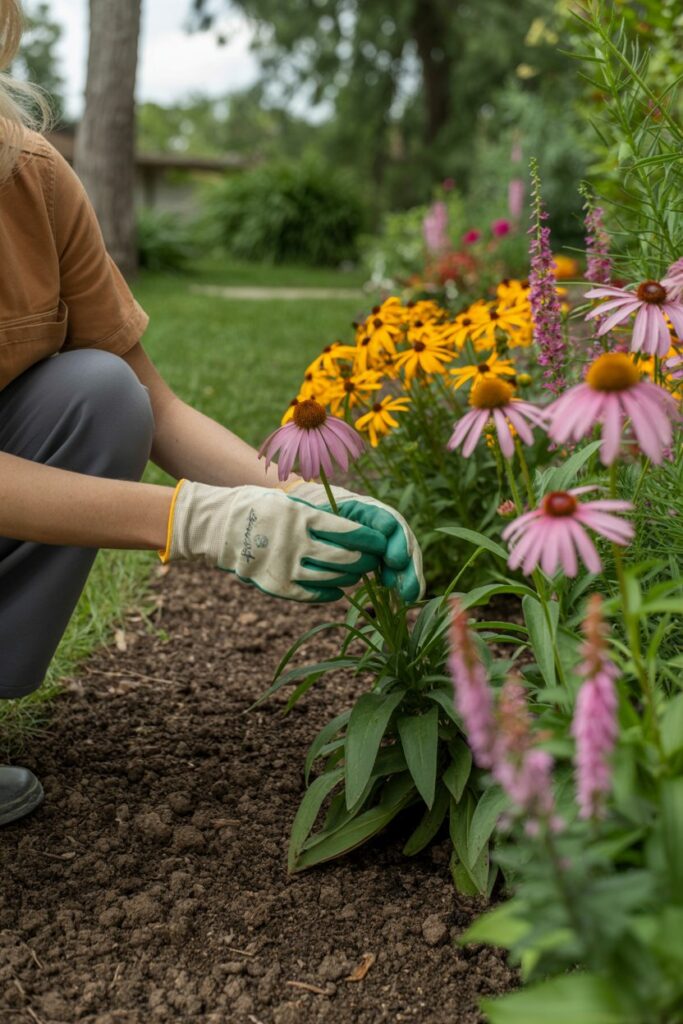
How do I choose the right perennials for my climate?
Start by checking your USDA hardiness zone and selecting plants labeled for that zone or colder.
Local nurseries are especially helpful because they stock perennials proven to thrive in your specific climate and soil conditions.
How far apart should I space perennial plants?
Most perennials need space to grow. A good rule is to plant them based on their mature width, not their size at planting.
Spacing may look sparse at first, but it prevents overcrowding and improves airflow as plants mature.
Do perennial gardens need a lot of maintenance?
Perennial gardens are generally low-maintenance once established. In the first year, regular watering and light weeding are important.
After that, occasional pruning, dividing plants every few years, and seasonal cleanup are usually enough.
When is the best time to plant perennials?
Spring and early fall are ideal because cooler temperatures reduce stress on plants and allow roots to establish before extreme heat or cold.
Fall planting often leads to stronger growth the following spring.
How do I keep my perennial garden blooming all season?
Use a mix of early-, mid-, and late-blooming plants.
Deadheading spent flowers, cutting back certain perennials, and adding a few long-blooming varieties can extend color throughout the growing season.
What should I do if my perennials stop blooming?
Lack of blooms is often caused by insufficient sunlight, overcrowding, or nutrient imbalance.
Check sun exposure first, then consider dividing crowded plants or refreshing the soil with compost.
Is mulch necessary in a perennial garden?
Yes. Mulch helps retain moisture, suppress weeds, and regulate soil temperature. Organic mulch also improves soil quality over time as it breaks down.
How often should perennials be divided?
Most perennials benefit from division every 3–5 years. Signs it’s time include fewer blooms, crowded centers, or plants spreading beyond their intended space.
Conclusion
Designing a perennial flower garden is one of the most rewarding projects you can take on as a gardener.
While it does require patience, the payoff is a landscape that grows more beautiful and balanced with each passing year.
By choosing the right plants for your climate, planning for bloom times, layering heights, and giving your garden time to mature, you’re setting yourself up for long-term success—not constant replanting.
Remember, a perennial garden isn’t meant to look “finished” in its first season. It evolves.
What starts as small plants and open spaces gradually fills in with lush foliage, vibrant blooms, and a natural rhythm that annual gardens simply can’t replicate.
The key is thoughtful planning now so your future self can enjoy a low-maintenance, thriving garden later.