Best Bedroom Plants That’ll Improve Your Health and Wellness
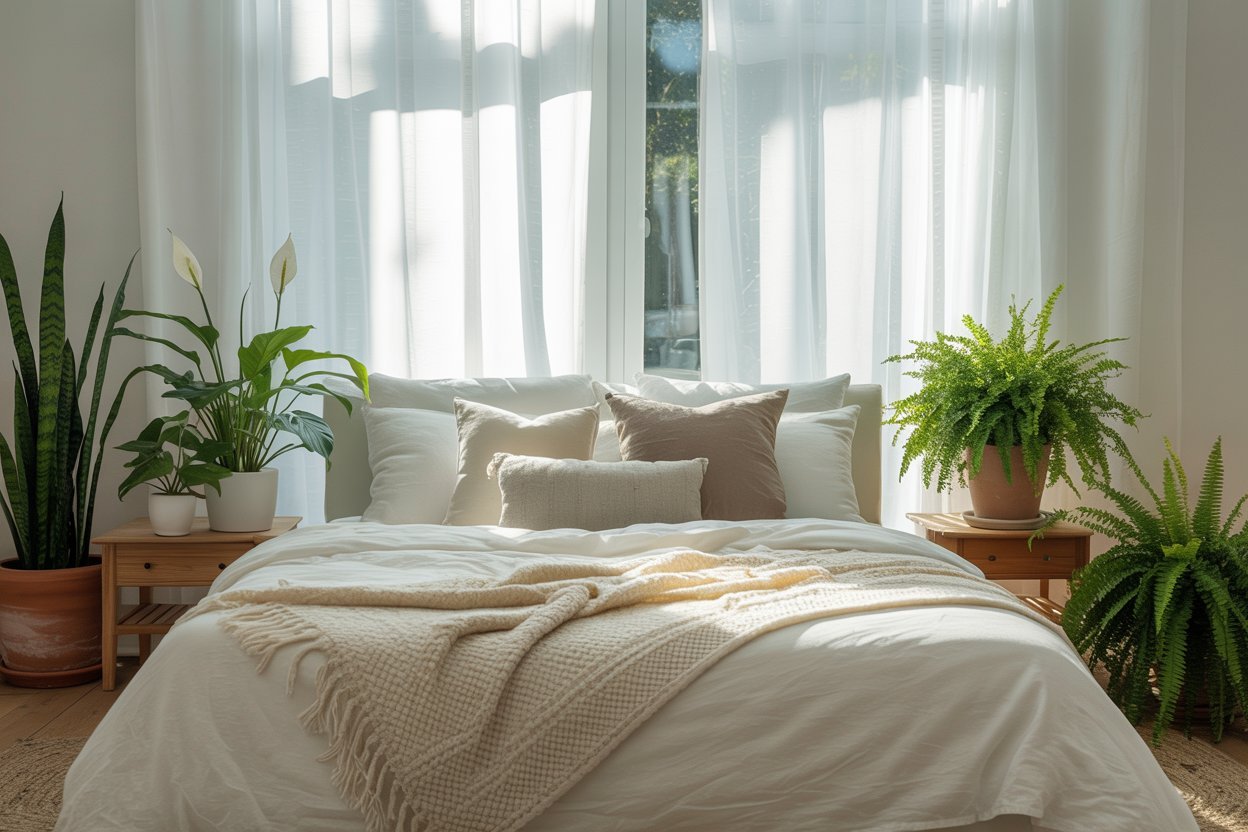
If your bedroom often feels more hectic than peaceful, adding a few carefully chosen plants can completely transform the space.
I learned this myself. After placing a couple of leafy plants on my nightstand and dresser, the room instantly felt calmer, fresher, and more inviting. It’s amazing how something so simple can change the vibe of an entire room.
Plants bring texture, color, and a natural softness that furniture and decor alone can’t quite achieve. The best part is many are low-maintenance, several are safe for kids and pets, and most can be ordered online in just a few clicks.
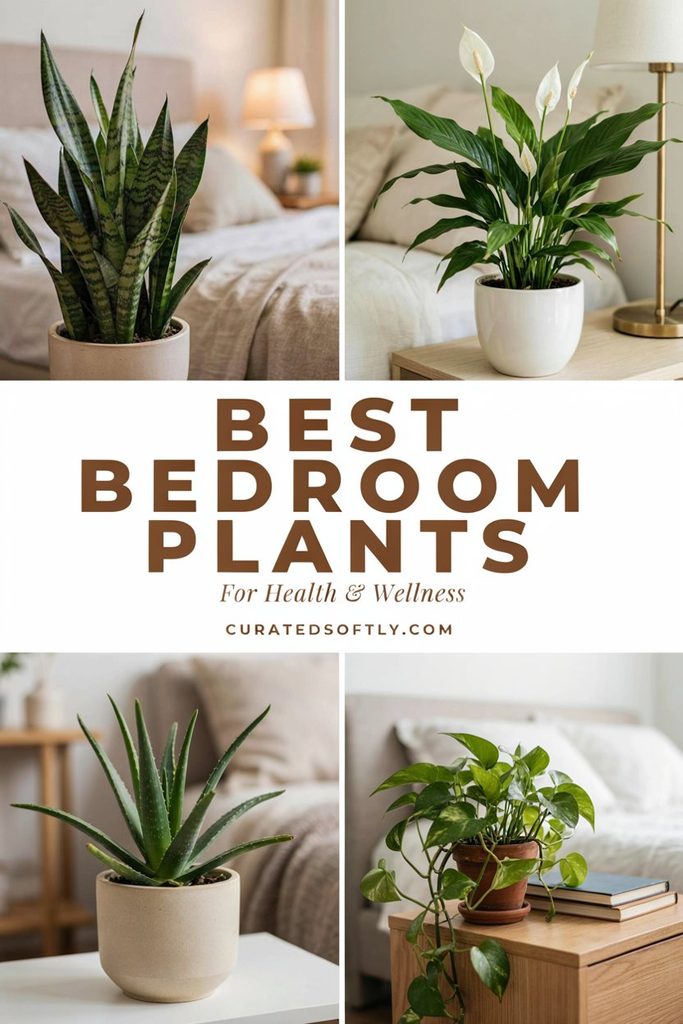
Here are six of my favorite bedroom plants, along with what to actually know about each one before you buy, including a couple of pet-safety corrections worth knowing if you share your home with cats or dogs.
A Quick Note on the “Air-Purifying” Claims
You’ll see a lot of these plants marketed as air purifiers, and that claim traces back to a well-known NASA study from the 1980s that tested plants in small, sealed lab chambers. It’s worth knowing that follow-up research suggests the effect in a normal, ventilated bedroom is much smaller than the original study implied, you’d generally need an impractical number of plants per square foot to meaningfully filter a real room’s air the way that study measured.
That doesn’t mean skip the plants. The mood, texture, and general wellbeing benefits of having greenery around are well supported, and a few of these plants (like snake plant and aloe) do have a genuine, if modest, nighttime oxygen release that other plants don’t. I just don’t want to oversell “purifies your air” as the main reason to buy one.
Snake Plant (a.k.a. Mother-in-Law’s Tongue)
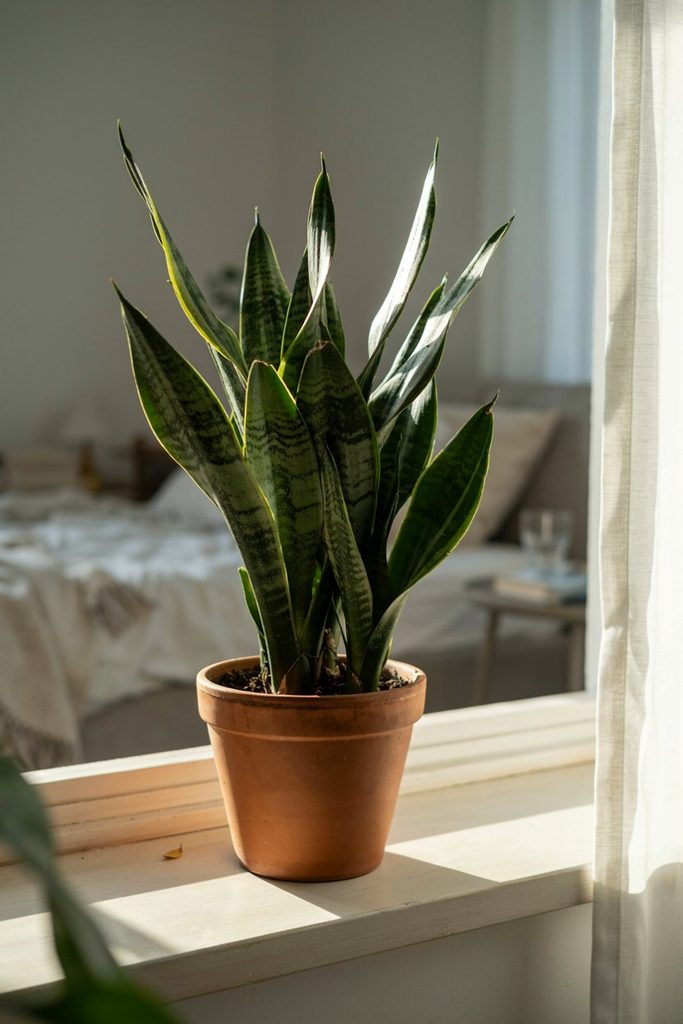
The snake plant is my go-to for busy spaces. Its upright, sword-like leaves make it a striking addition to any corner, and it’s nearly impossible to kill.
It’s also one of the few common houseplants that releases oxygen at night rather than during the day, which is part of why it’s such a popular bedroom pick.
Why it’s great for your family: Perfect if you’re busy, forgetful, or not naturally a “plant person.” Pet note: mildly toxic if chewed by cats or dogs, per the ASPCA, so keep it out of reach of curious pets.
Pro Tip: Place it near a window for indirect light and it’ll thrive without much effort.
Peace Lily
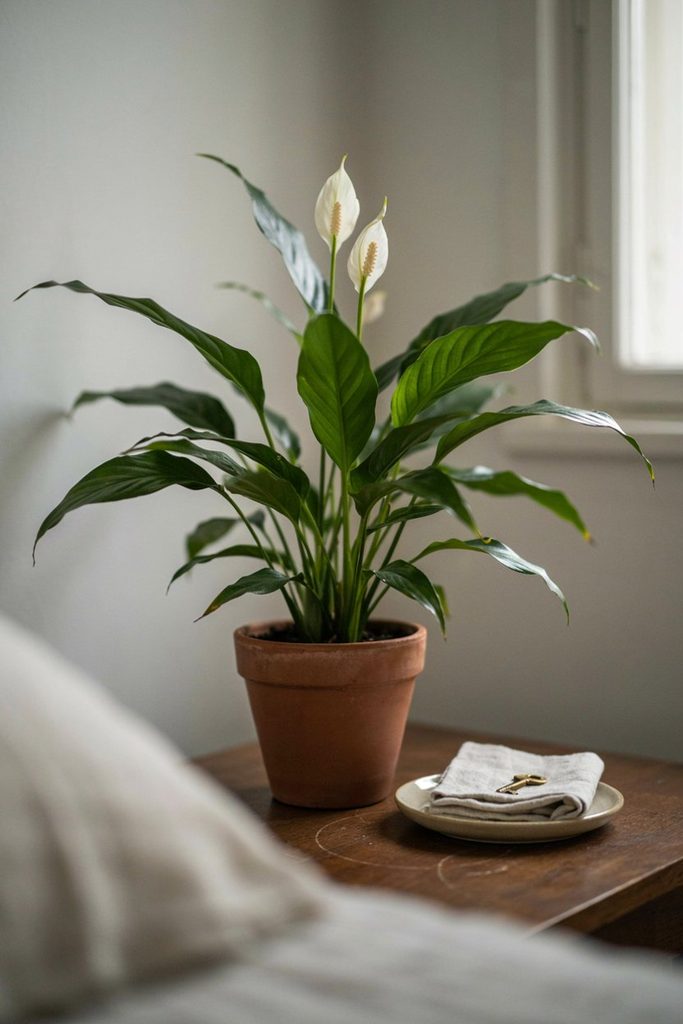
If you want a plant that instantly gives your bedroom a calm, spa-like vibe, the peace lily is a great pick. Its glossy green leaves and delicate white blooms add an elegant touch.
Why it’s great for your family: Its lush look creates a soothing atmosphere for winding down after a hectic day. Pet note: peace lilies are toxic to pets if chewed, per the ASPCA, so a hanging basket is a safer option if you have cats or dogs.
Pro Tip: Peace lilies “talk” to you, when their leaves droop, it’s a reminder they need water.
Aloe Vera
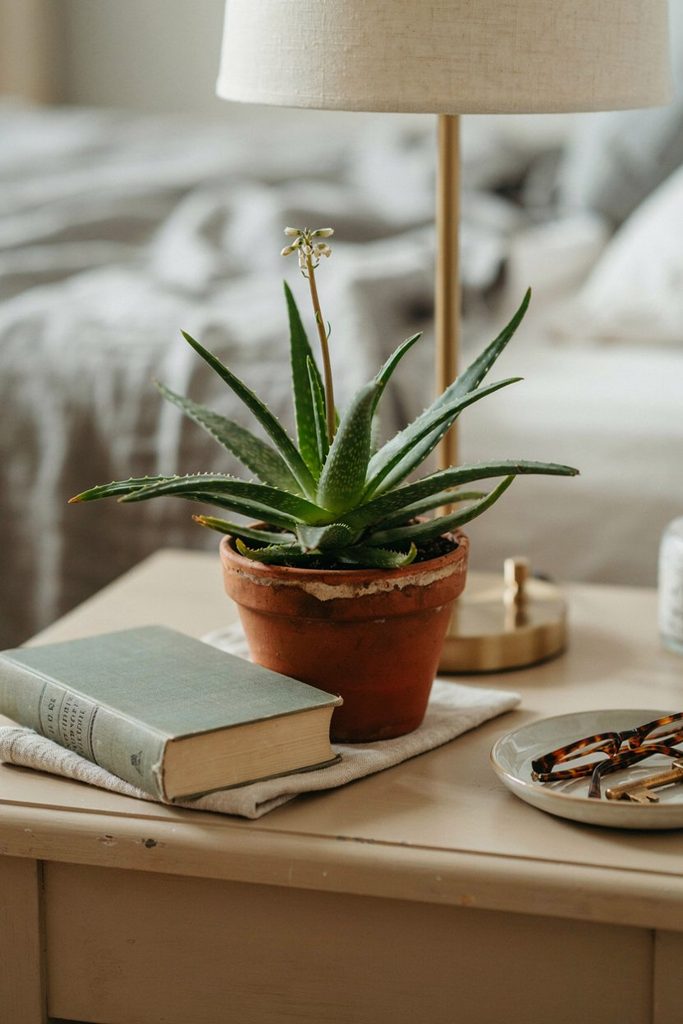
Aloe vera isn’t just for sunburns. Like the snake plant, it releases oxygen at night. I keep a small pot on my nightstand so it’s easy to grab a leaf when I need a little skin relief.
Why it’s great for your family: A handy plant to have around for minor scrapes or dry skin. Pet note: the ASPCA lists aloe vera as toxic to cats and dogs if ingested, not just the gel, so keep it out of reach of pets that like to chew on leaves.
Pro Tip: Keep it by a sunny window, it loves natural light.
Spider Plant
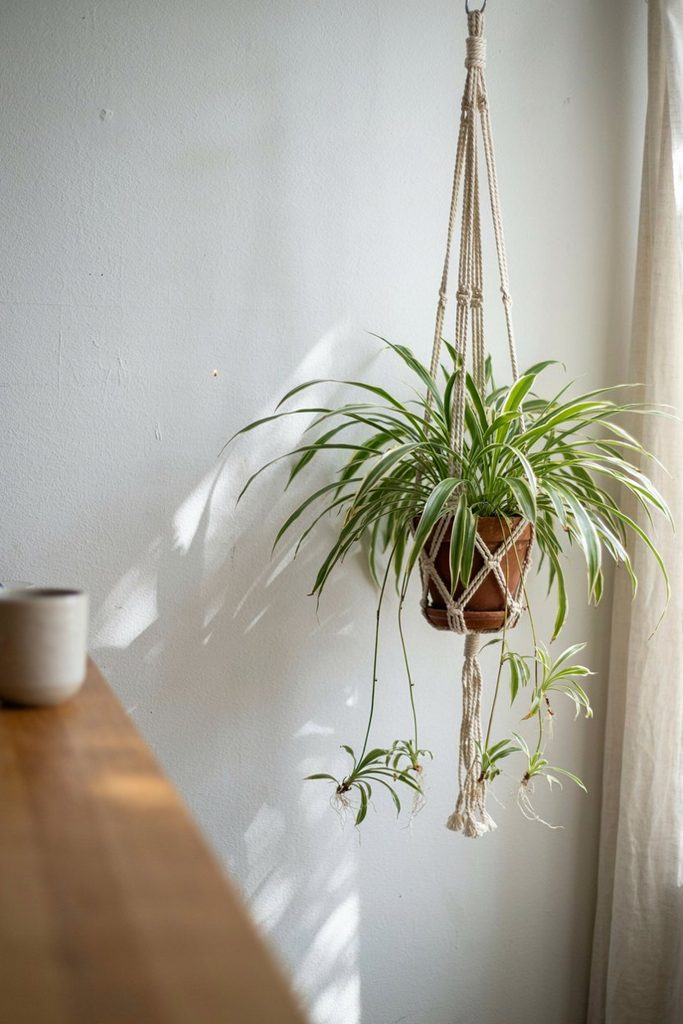
Spider plants are one of the most genuinely pet-friendly houseplants you can bring into your home. I love keeping one on a shelf because it produces little baby spider plants you can re-pot or gift to friends.
Why it’s great for your family: Non-toxic to cats and dogs per the ASPCA, genuinely pet-approved. Easy for kids to help water and watch it grow new “babies.”
Pro Tip: Hang it in a macramé hanger for a stylish, space-saving look, my beginner macramé patterns walks through exactly this kind of hanger from scratch.
Lavender
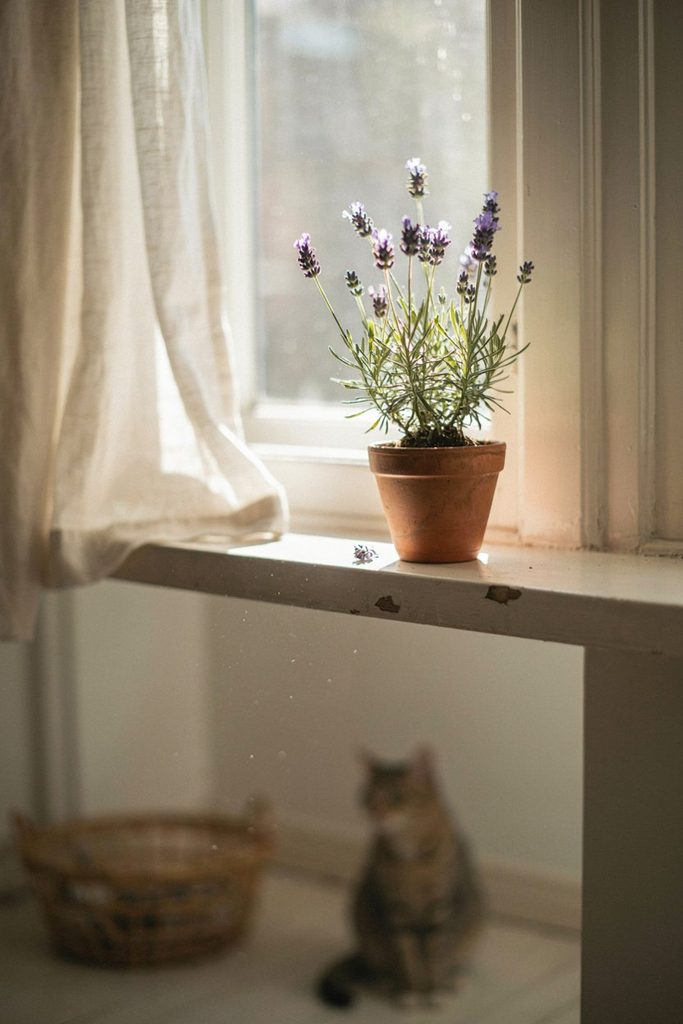
Lavender is famous for its calming scent, often associated with better sleep and lower stress. It’s a lovely plant to have in a bedroom for that reason alone.
A correction worth knowing: lavender is actually listed as toxic to dogs, cats, and horses by the ASPCA, the plant contains linalool and linalyl acetate, which can cause nausea and vomiting if chewed or ingested.
If you have pets that like to nibble on houseplants, I’d keep lavender out of reach or skip it in favor of the spider plant or Boston fern instead.
Pro Tip: Place it near a sunny windowsill for the best growth and fragrance. If you love the scent but want a pet-safer way to enjoy it, my DIY clay diffuser stones let you use lavender essential oil in a contained, controlled way rather than a living plant pets can access.
Boston Fern
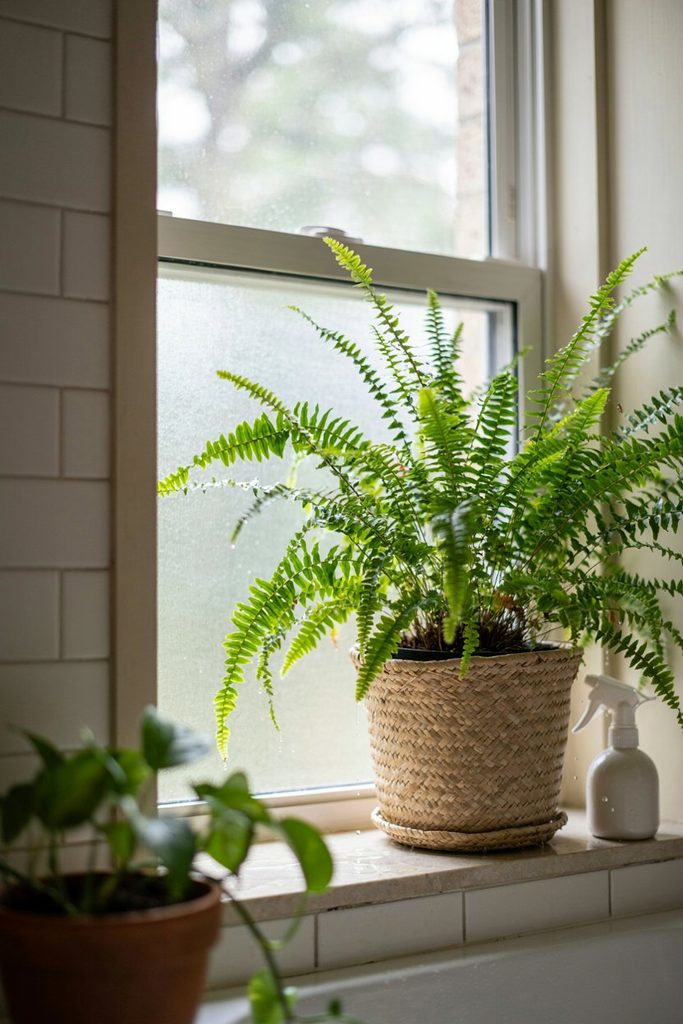
Boston ferns are lush, full, and feel like a little slice of nature indoors. I keep one in my bedroom because it naturally adds humidity to the air, a genuine benefit when heating or AC dries everything out.
Why it’s great for your family: Genuinely non-toxic to cats and dogs per the ASPCA. Gorgeous greenery adds a cozy, fresh feel to a bedroom.
Pro Tip: Boston ferns love humidity, mist them occasionally or keep them in a bathroom if your bedroom air runs dry.
Pet Safety at a Glance
| Plant | ASPCA Pet Safety |
|---|---|
| Snake Plant | Mildly toxic if chewed |
| Peace Lily | Toxic if chewed |
| Aloe Vera | Toxic if ingested |
| Spider Plant | Non-toxic |
| Lavender | Toxic if chewed or ingested |
| Boston Fern | Non-toxic |
If pet safety is a priority, the spider plant and Boston fern are your two genuinely worry-free options from this list. For anything else, keeping the plant on a high shelf or in a hanging planter well out of reach is worth the extra effort.
Care Difficulty at a Glance
- Nearly impossible to kill: snake plant, spider plant
- Low-maintenance, occasional attention: aloe vera, peace lily
- Needs a bit more consistency: lavender (sunlight), Boston fern (humidity)
If your space doesn’t get much natural light, my best indoor plants for dark rooms covers options better suited to a dimmer bedroom than a few of these.
My Top 3 Bedroom Plants to Start With
If you’re just starting out and don’t want to overthink it:
- Snake Plant, the ultimate low-maintenance plant that thrives on neglect
- Spider Plant, genuinely safe for pets, great for families, and easy to grow
- Boston Fern, adds real humidity benefit and is fully pet-safe
Frequently Asked Questions
Do these plants actually improve air quality in a real bedroom? The effect is smaller than the popular NASA study is often credited with, in a normally ventilated room, you’d need far more plants than most people keep to meaningfully filter the air. The mood and wellbeing benefits of having plants around are real, just don’t count on a single pot to replace an air purifier.
Which of these is safest if I have both kids and pets? The spider plant and Boston fern are the two options here that are genuinely non-toxic per the ASPCA. Everything else on this list should be kept out of reach of pets specifically.
What if my cat or dog does chew on one of the toxic plants? Watch for vomiting, drooling, or lethargy, and contact your vet or the ASPCA Animal Poison Control Center if you’re concerned. It’s always better to call and be told it’s mild than to wait and see.
Can I still grow lavender if I have pets? Yes, just keep it somewhere pets genuinely can’t access, a high shelf, a closed sunroom, or outdoors in a fenced area, rather than on a low nightstand or windowsill.
More to explore:
- Best Indoor Plants for Dark Rooms
- Tips to Grow a Bigger Monstera Plant Fast
- DIY Clay Diffuser Stones
- Step-by-Step Macramé Patterns & Tutorials for Beginners
- Thrifted House Plant Decor Ideas That Make Your Space Look Expensive
Final Thoughts
You don’t need to turn your bedroom into a jungle to enjoy the benefits of houseplants. Even a few carefully chosen ones can make a room feel calmer and more intentional, and knowing which ones are genuinely pet-safe means you can enjoy them without worrying every time a curious cat wanders in.
Whether you add a peace lily for elegance, a spider plant for total pet-safety peace of mind, or lavender kept safely out of reach for its scent, you’re creating a more inviting space for yourself and your family, one plant at a time.