Reverse Decluttering: Why Choosing What to Keep Works So Much Better
Have you ever started decluttering a room, only to find yourself standing in the middle of it, wondering how you’re supposed to decide what stays and what goes?
You pick something up, think about whether you might need it someday, remember how much it cost, and suddenly you’re having a whole debate with yourself over one ordinary object. Before you know it, an hour has passed, and the room looks almost exactly the same.
That’s one reason I love the idea of reverse decluttering. Instead of starting with everything you want to get rid of, you begin by choosing the things you genuinely want to keep.
It sounds like a small change, but it can make the entire process feel different. You’re no longer standing in front of a pile of belongings trying to find reasons to let things go. You’re looking for the things that deserve a place in your home.
Once you’ve chosen those items, the things you don’t use, need, or particularly love become much easier to recognize.
If you’ve been putting off decluttering because the thought of making so many decisions feels exhausting, this approach is worth trying. You can start with one drawer, one shelf, or a small section of your closet and work your way through your home at a comfortable pace.
What Is Reverse Decluttering?
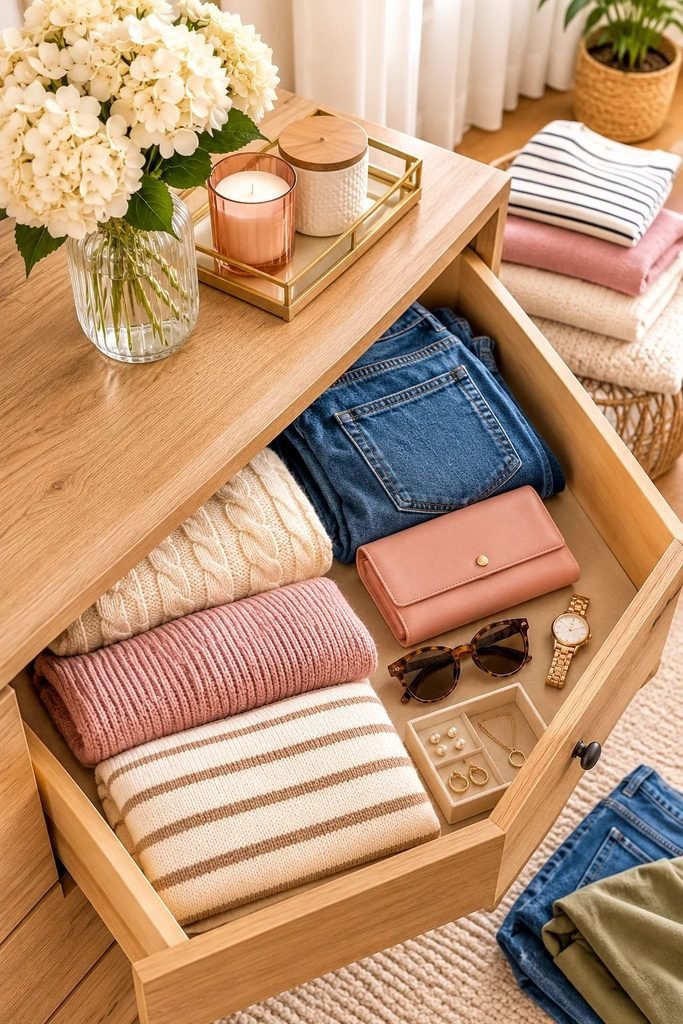
Reverse decluttering is a simple approach to organizing your belongings by choosing what you want to keep first, rather than immediately deciding what you should throw away.
Traditional decluttering usually starts with questions like:
- Do I need this?
- When was the last time I used it?
- Should I donate this?
- What if I need it someday?
- Is it worth keeping?
Reverse decluttering changes the starting point. Instead, you ask:
- What do I actually use?
- Which things do I genuinely love?
- What would I choose if I were starting with an empty space?
- Which belongings make my everyday life easier?
- What deserves the limited space in my home?
You begin by identifying your favorites and the items you regularly rely on. Those are the things you put back into the space first.
Everything left behind gets a second look.
This doesn’t mean you have to throw away everything you don’t use every day. Seasonal belongings, emergency supplies, special occasion items, and useful tools can still deserve a place in your home. The idea is simply to become more intentional about what you’re keeping.
Why Reverse Decluttering Works So Much Better
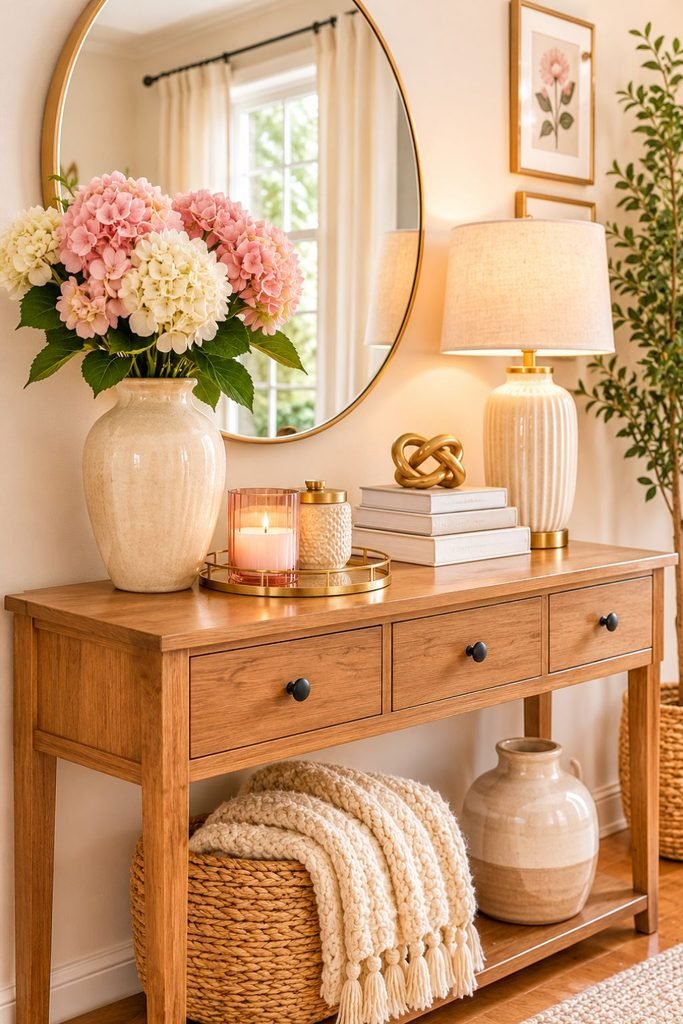
1. It Changes Your Mindset
One of the biggest reasons decluttering feels difficult is that it can feel like you’re constantly losing things.
You look at your belongings and focus on what needs to leave. That can make the process feel negative, especially when you’re attached to certain items or worried about making the wrong decision.
Reverse decluttering gives you a more positive starting point.
Instead of thinking about everything you’re giving up, you focus on creating a home that makes room for the things you enjoy and actually use.
You get to choose your favorite clothes, the kitchen tools that make cooking easier, the decorations you love seeing, and the belongings that make your home feel like yours.
Once those things have a place, you can look at the remaining clutter with a clearer perspective.
2. It Makes Decisions Easier
Have you noticed how easy it is to identify your favorite things?
You probably know which mugs you reach for every morning, which clothes you wear repeatedly, which kitchen utensils you prefer, and which decorations you would immediately put back if you moved into a new home.
Those decisions often take very little thought.
The difficult part is deciding what to do with everything else.
Reverse decluttering takes advantage of that. You don’t have to examine every single item and immediately decide whether it should leave. You simply start with the things you know you want.
After that, the remaining items become easier to evaluate because you’ve already identified what matters most to you.
3. It Helps You Notice Clutter You’ve Stopped Seeing
Sometimes we get so used to our belongings that we stop noticing how much stuff has accumulated around us.
A crowded kitchen drawer becomes normal. The extra blankets stacked in a cupboard stop attracting attention. Decorations that no longer suit your style remain on shelves simply because they’ve always been there.
When you remove everything from a small space and deliberately choose what deserves to go back, you get a chance to see that area differently.
You may discover duplicates, forgotten purchases, unused accessories, and things you’ve been storing without a clear reason.
That fresh perspective can make a surprisingly big difference.
4. You Can See Progress Much Faster
Another reason this method is motivating is that you can create visible progress without spending ages debating every item.
Imagine starting with a crowded kitchen drawer.
Instead of picking up each utensil and trying to convince yourself to get rid of it, you first select the tools you use regularly. You put those back neatly.
Suddenly, the drawer has more space, and you can see exactly what remains.
That little improvement can make you want to continue with another drawer or cabinet.
Small wins matter because they help you build momentum. You don’t need to wait until an entire room is finished to feel that you’ve made progress.
5. It Helps You Let Go of Guilt
Sometimes the reason we keep things has very little to do with whether we actually want them.
Maybe something was expensive. Maybe it was a gift. Maybe you bought it for a hobby you no longer enjoy. Or perhaps you’ve been saving it because you feel bad about wasting something perfectly usable.
Reverse decluttering helps you separate those feelings from what you genuinely want in your home.
You can appreciate a gift without keeping it forever. You can recognize that an expensive purchase wasn’t right for you. And you can let someone else enjoy something that has been sitting unused in your cupboard.
The money has already been spent. Keeping an item you don’t use doesn’t bring that money back.
You can make a thoughtful decision about where it should go next without feeling that you have to keep every purchase indefinitely.
How to Start Reverse Decluttering at Home
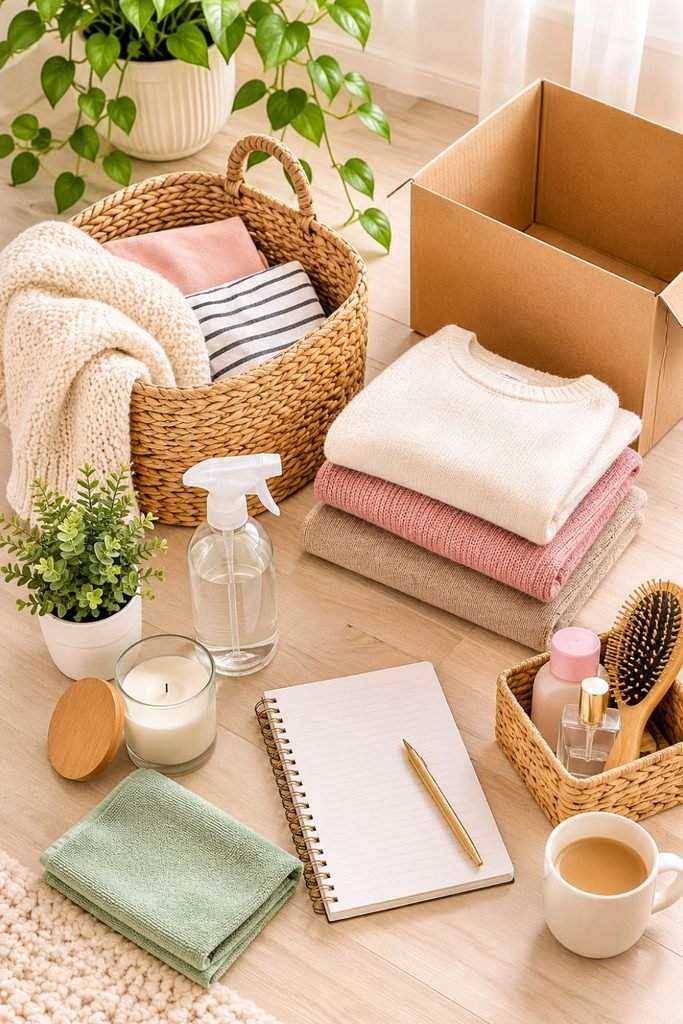
The best thing about reverse decluttering is that you don’t need special equipment or an elaborate organizing system. You can start with the belongings you already have.
I recommend beginning with a small area rather than attempting to declutter your entire home in one day.
Step 1: Choose One Small Area
Pick somewhere manageable. It could be a kitchen drawer, one bathroom cabinet, a bedside table, a closet shelf, or a small section of your living room.
Try not to start with the most overwhelming area in your home. If you have a sentimental storage cupboard or a packed garage, save those for later.
A small space gives you a chance to understand the method without becoming frustrated.
You could even set aside 20 or 30 minutes to work on one area. You don’t need to finish everything at once.
Step 2: Take Everything Out
Remove the items from the space so you can see exactly what you’re working with.
This is an important part of the process because things often get buried underneath other belongings. You might have forgotten about items sitting at the back of a drawer or hidden behind something else.
Once everything is out, wipe down the empty shelf, drawer, or cabinet.
Starting with a clean space makes it easier to decide what you actually want to put back.
Step 3: Choose the Things You Want to Keep
Now focus on selecting your favorites.
Pick out the things you use regularly, genuinely enjoy, or need for your everyday life.
You can ask yourself:
- Do I use this often?
- Is this one of my favorite versions of this item?
- Does it make something easier or more enjoyable?
- Would I choose to bring this into my home again?
- Does it deserve the space it takes up?
Don’t overthink every decision. Start with the obvious keepers.
Put those items back into the space in a way that makes them easy to reach and use.
Step 4: Look at What’s Left
Now take a look at the belongings you didn’t choose.
This is where the method becomes especially useful.
Some of the remaining items may be things you genuinely need but don’t use every day. Keep those if they serve a purpose.
Others may be duplicates, forgotten purchases, things that no longer suit your lifestyle, or belongings you’ve been keeping simply because you had room for them.
You can divide the remaining items into a few simple groups:
- Donate: Usable items that someone else could enjoy.
- Sell: Belongings in good condition that may be worth selling.
- Recycle or dispose of: Broken, damaged, expired, or unusable items that cannot reasonably be passed on.
- Relocate: Things that belong in another room or storage area.
- Keep: Useful items that aren’t everyday favorites but still have a genuine purpose.
You don’t have to force yourself to make every decision immediately. If something is genuinely difficult, set it aside and come back to it later.
Step 5: Give Your Keepers a Proper Home
Once you’ve decided what stays, arrange the items so you can actually use them.
Keep frequently used belongings within easy reach. Group similar things together and avoid filling every empty space simply because it’s available.
You may discover that you don’t need extra storage containers at all. Sometimes removing unnecessary belongings creates enough room to make the existing storage work much better.
If you do need organizers, wait until you’ve finished decluttering before buying anything. That way, you know exactly what you need to store.
The Best Places to Try Reverse Decluttering
You can use this method in almost any room, but some areas are especially good starting points.
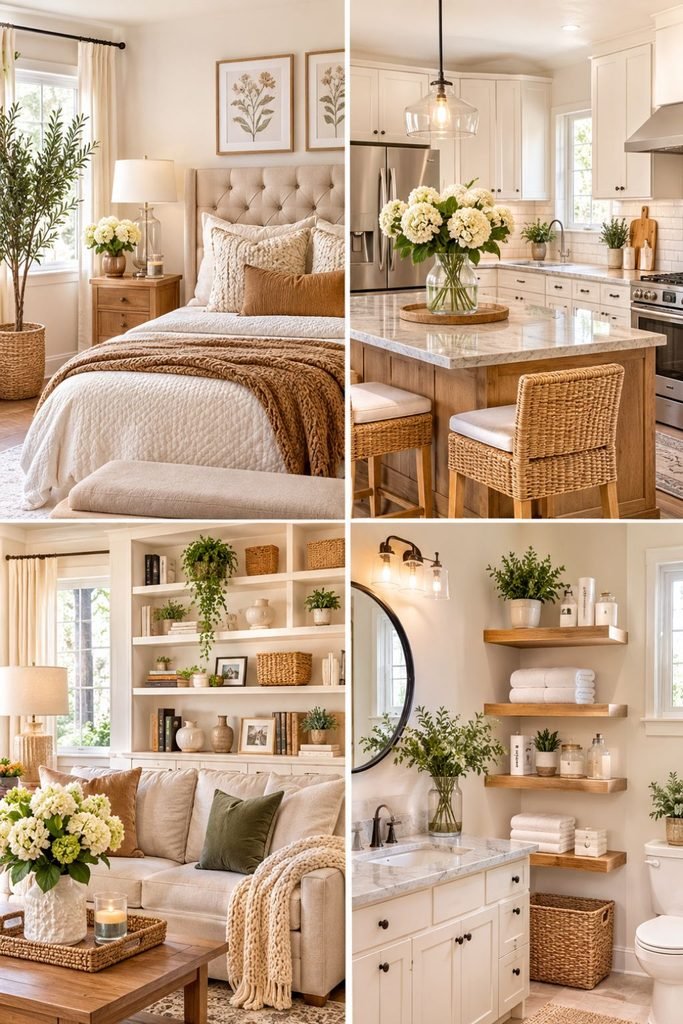
Your Closet
Clothing is one of the easiest places to try reverse decluttering because most of us have a few favorite pieces we wear repeatedly.
Start by choosing the clothes you genuinely enjoy wearing. Think about the outfits you reach for during a normal week, the pieces that fit comfortably, and the items that suit your current lifestyle.
Put those aside first.
Then look at everything remaining.
You may find clothes that no longer fit, pieces you bought for a lifestyle you don’t have, uncomfortable outfits, or items you’ve kept because they were expensive.
You don’t need to get rid of every special occasion outfit or seasonal item. Just make sure you’re keeping things because you have a reason to keep them.
Your Kitchen Cabinets and Drawers
The kitchen is another excellent place to start.
Most homes have more kitchen items than they need. Extra mugs, duplicate utensils, unused gadgets, mismatched containers, and appliances bought for one particular recipe can quietly take over valuable cabinet space.
Start by choosing the dishes, cookware, and utensils you actually use.
Think about what you reach for when preparing everyday meals. Which pots do you prefer? Which knives are comfortable to use? How many mugs do you realistically need?
Once your favorites are back in place, the duplicates and forgotten gadgets become much easier to assess.
Home Decor
Reverse decluttering can make a noticeable difference in the way your home looks and feels.
Sometimes a room doesn’t need more decorations or new furniture. It simply needs a little breathing room.
Start by choosing the decorative pieces you genuinely love. These might be your favorite vases, framed prints, candles, decorative bowls, or sentimental pieces that make your space feel personal.
You don’t have to display everything you own at the same time.
Try keeping your favorite pieces visible and storing or donating the things that no longer suit your style. If you want to refresh a surface without buying more things, my guide to styling a fall coffee table without buying new decor has ideas for making use of decorations you already own.
You can also get more out of the space you already have with these 17 smart ways to use corner space in your home.
Your Bathroom
Bathroom cabinets can become crowded surprisingly quickly.
You might have half-used skincare products, old makeup, duplicate toiletries, expired products, and things you bought but never really enjoyed using.
Start with the products you use regularly and the essentials you actually need.
Check expiry dates and dispose of unsuitable products responsibly. Keep everyday items accessible and avoid holding onto products simply because you paid for them.
Once you’ve chosen what stays, you can arrange the remaining essentials with these practical under-sink organization ideas.
Your Craft Supplies
If you enjoy DIY projects, craft supplies can accumulate quickly. You might have leftover clay, paints, tools, unfinished projects, and materials from hobbies you haven’t touched in months.
Start by choosing the supplies you currently use and the projects you genuinely want to finish.
Then separate materials you plan to use, things you can pass along, and supplies that are dried out, damaged, or no longer suitable.
If your craft supplies are taking over your drawers and cupboards, my guide on how to organize craft supplies in a small space can help you give the things you decide to keep a practical home.
Your Home Office
A home office can quickly become crowded with paperwork, stationery, cables, notebooks, and things that don’t really belong on your desk.
Choose the items you need for your everyday work first. Keep your frequently used supplies accessible and remove unnecessary duplicates and paperwork you no longer need.
If you’re refreshing your workspace after decluttering, take a look at how to create a home office aesthetic you actually love. A comfortable workspace doesn’t need to be packed with accessories to feel complete.
Sentimental Belongings
Sentimental clutter can be more difficult, so I wouldn’t recommend starting here if you’re new to decluttering.
Instead, practice with easier spaces first.
When you’re ready, begin by choosing the items that hold the strongest meaning for you. Perhaps they’re family photographs, a few childhood keepsakes, meaningful gifts, or belongings connected to special memories.
You don’t need to keep every object associated with a memory.
Sometimes choosing a smaller collection of meaningful belongings allows you to appreciate them more because they’re no longer buried among boxes of things you rarely look at.
And remember, you can take photographs of certain items if you want to preserve the memory without storing the physical object.
Questions to Ask Yourself While Reverse Decluttering
If you find yourself getting stuck, these questions can help you decide what deserves a place in your home.
Would I buy this again today?
Imagine seeing the item in a shop for the first time. Would you spend your money on it now? If you wouldn’t choose it again, think about why you’re still keeping it.
Do I have something else that does the same job?
Duplicates aren’t always necessary. You might have several versions of the same kitchen tool, multiple storage baskets, or more towels than your household needs.
Keep the number that makes sense for your actual routine.
Does this suit my life right now?
Our needs change. Clothes, hobbies, equipment, and home accessories that made sense years ago may no longer fit the way we live today.
It’s okay to let your belongings change as your life changes.
Am I keeping this because I feel guilty?
This is especially useful for gifts, expensive purchases, and things you once planned to use.
You don’t have to keep something forever just because it came from someone you love or cost more than you expected.
Would I notice if this were gone?
For everyday belongings, this can be a surprisingly helpful question. If you haven’t noticed something missing or needed it in years, consider whether it deserves to take up space.
Just remember that some seasonal or emergency items are important even when you don’t use them regularly.
Common Reverse Decluttering Mistakes to Avoid
Trying to Declutter the Entire House at Once
It’s tempting to want a completely organized home immediately, but taking on too much can leave you exhausted.
Start with one manageable space. Finish it, enjoy the improvement, and move on when you’re ready.
Getting Rid of Useful Items Just Because You Don’t Use Them Daily
Reverse decluttering isn’t about owning as little as possible.
You may have winter bedding, holiday decorations, special occasion dishes, or tools you only need occasionally. If those belongings serve a genuine purpose, they can stay.
The goal is to remove unnecessary clutter, not make everyday life more difficult.
Buying Organizers Too Early
It’s easy to see a messy cupboard and assume you need baskets, boxes, drawer dividers, and matching containers.
But buying more storage before decluttering can simply give unnecessary belongings somewhere else to live.
Choose what you’re keeping first. Then decide whether you actually need additional storage.
Starting With Sentimental Items
Sentimental belongings often involve more emotional decisions than ordinary household items.
If you’re already feeling overwhelmed, don’t make those the first area you tackle.
Build confidence with easier spaces such as kitchen drawers, bathroom cabinets, and clothing.
Leaving Donation Bags Around the House
Once you’ve decided to donate something, try to move it out of your home within a reasonable amount of time.
Otherwise, your decluttering pile can become another form of clutter.
Keep a designated donation bag or box, and arrange a drop-off when it’s ready. Make sure items are clean and in suitable condition before donating them.
How to Maintain a Less Cluttered Home
After you’ve finished an area, the next challenge is keeping it that way.
The good news is that you don’t need a complicated cleaning schedule to maintain your progress.
A few simple habits can help:
- Pause before buying: Ask yourself whether you genuinely need something before bringing it home.
- Avoid unnecessary duplicates: Check what you already own before buying another version.
- Return items after using them: Giving everything a regular home makes it easier to keep surfaces and drawers tidy.
- Declutter as you go: If you notice something you no longer use, put it in your donation box rather than waiting for a huge decluttering day.
- Review storage areas occasionally: A quick look through your cabinets and closets can prevent unnecessary belongings from building up again.
- Be thoughtful about free items: Just because something is free doesn’t mean you need to bring it home.
One habit I particularly like is keeping a small donation box somewhere convenient. Whenever you come across something you no longer need, you can add it without turning it into a major project.
Frequently Asked Questions
What is the difference between traditional decluttering and reverse decluttering?
Traditional decluttering usually begins by identifying items to remove. Reverse decluttering starts by selecting the belongings you genuinely want to keep. Once those favorites are put back, you evaluate what’s left and decide what to donate, sell, recycle, relocate, or keep.
Is reverse decluttering good for beginners?
Yes. It can be a helpful approach if you find traditional decluttering overwhelming. Choosing your favorite belongings first gives you a clear starting point and can make the remaining decisions feel less stressful.
How long does reverse decluttering take?
It depends on the size of the area and how many belongings you have. A small drawer might take 15 to 30 minutes, while a wardrobe or kitchen cabinet may take longer. You can work in short sessions rather than trying to finish an entire room in one day.
What should I do with items I can’t decide about?
Set them aside temporarily instead of forcing a decision. If you’re unsure whether you’ll need something, consider how often you’ve used it, whether it serves an important purpose, and whether you would choose to keep it today. For genuinely useful seasonal or emergency items, make an intentional place for them.
Does reverse decluttering mean getting rid of everything I don’t use?
No. Some belongings are useful even if you only need them occasionally. The method is about choosing what deserves space in your home, not following an extreme minimalist lifestyle.
Can I use reverse decluttering for sentimental items?
Yes, but it may help to start with less emotional categories first. When you’re ready, choose the sentimental belongings that mean the most to you and consider whether you need to keep every physical item connected to a memory.
Do I need to buy storage containers for reverse decluttering?
No. Start by choosing what you want to keep and arranging it in your existing storage spaces. Only buy organizers if you discover a genuine need after decluttering.
Final Thoughts
I think one of the most helpful things about reverse decluttering is that it changes the question you’re asking yourself.
Instead of looking around your home and feeling as though you have to get rid of a mountain of belongings, you begin by choosing the things you actually want in your life.
You choose the clothes you enjoy wearing, the kitchen tools you rely on, the decorations that make you happy, and the belongings that serve a purpose.
Then you look at what’s left.
You may discover that some things are easy to let go of once your favorites have a place. Other items may need more thought, and that’s perfectly fine.
You don’t need to create a perfectly minimal home or fill every cupboard with matching organizers. You simply want a space that feels comfortable, works for your everyday life, and isn’t filled with things you’re keeping out of habit.
Start with one small area today. Choose what you love, make room for what matters, and let the rest become a little easier to decide.