
How to Make Air Dry Clay at Home | Easy Air Dry Clay Recipe
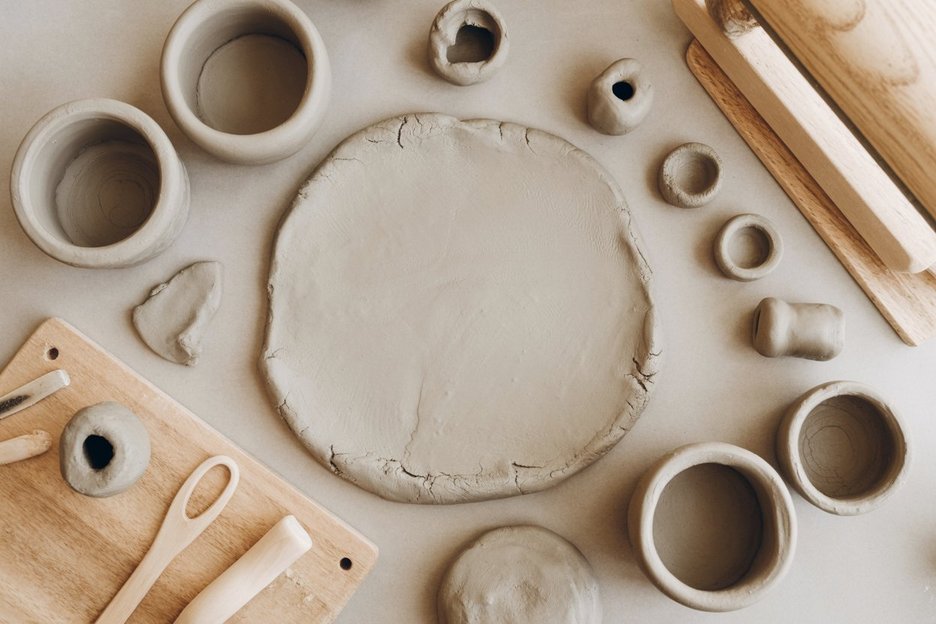
The first time I tried making air dry clay at home, I honestly didn’t expect much.
I thought it would be messy, hard to get right, or just not strong enough to actually use.
But after a bit of experimenting, I realized something:
👉 Homemade air dry clay can be just as useful as store-bought clay if you get the recipe and process right.
Since then, I’ve tested different variations, adjusted ingredients, and figured out what actually works (and what causes cracking, stickiness, or weak results).
If you’re looking for a simple, reliable air dry clay recipe you can make at home, this guide will walk you through it step by step.
What Is Air Dry Clay?
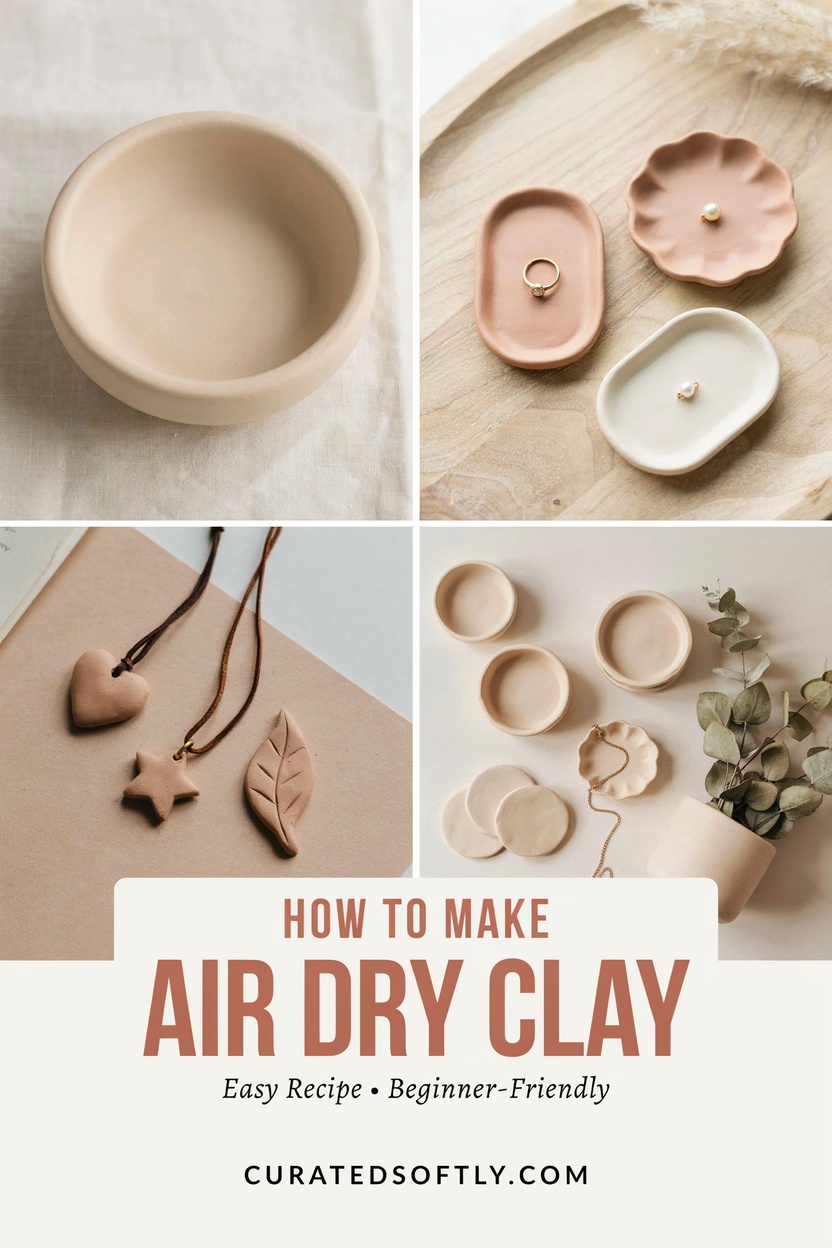
Air dry clay is a type of modeling clay that hardens naturally when left out at room temperature.
Unlike traditional clay, it doesn’t require:
- A kiln
- Baking (in most cases)
- Special equipment
Once it dries, it becomes firm enough for crafts, decorations, and simple DIY projects.
Affiliate Disclosure: This post contains affiliate links. If you purchase through these links, I may earn a small commission at no extra cost to you. As an Amazon Associate, I earn from qualifying purchases. I only recommend products I believe offer great value.
This Recipe vs. My Other Clay Recipes
This is worth addressing directly, since I have several homemade clay recipes on the site and they can look similar at a glance.
This recipe is the essential, no-frills version, cornstarch, baking soda, and water, cooked briefly and kneaded smooth. It’s pale, smooth, and the most neutral base for painting.
Coffee clay takes this same basic technique and adds used coffee grounds, giving a naturally brown, slightly textured result with no painting required if you like the earthy tone.
Cornstarch clay is closely related to this base recipe but goes deeper into color mixing, texture techniques, and troubleshooting for anyone ready to move past the basics.
Salt dough uses a completely different method, flour and salt, no cooking required, and is the most kid-friendly starting point if you want to skip the stovetop step entirely.
If this is your very first time making homemade clay, start here. Once you’re comfortable, branch out into whichever variation matches the project you have in mind.
Amazon Shopping Essentials You Need to Make Air Dry Clay at Home
- All-Purpose Flour
- Cornstarch
- Salt
- Vegetable Oil
- Mixing Bowl
- Non-Stick Saucepan
- Wooden Spoon or Silicone Spatula
- Rolling Pin
- Airtight Storage Containers

WOODOVER Premium Air Dry Clay White, 10 lb
High-quality white air dry clay with a smooth texture that’s easy to shape, sculpt, and paint. Ideal for beginners, hobbyists, classrooms, and creating durable DIY crafts without a kiln.
Get it on AmazonThese simple ingredients and tools will help you make smooth, easy-to-work-with homemade air dry clay for crafts, ornaments, bowls, and other DIY projects.
Step-by-Step: How to Make Air Dry Clay at Home
This is the exact method I use for consistent results.
Step 1: Mix the Dry Ingredients
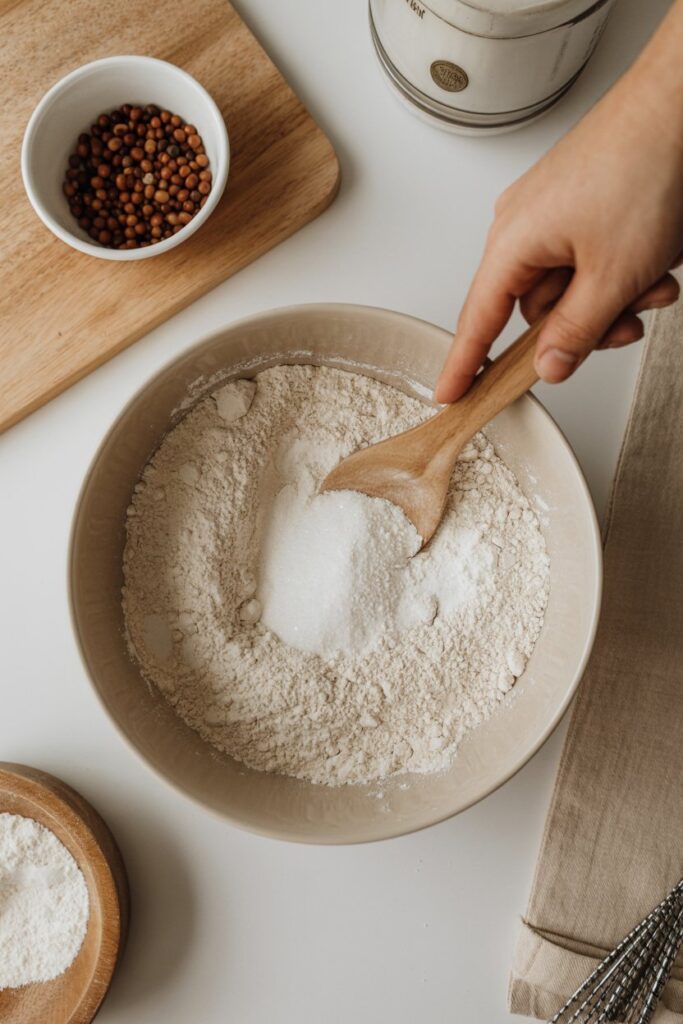
In a bowl, combine:
- Flour
- Salt
Mix thoroughly so everything is evenly distributed.
This helps avoid uneven texture later.
Step 2: Add Water Gradually
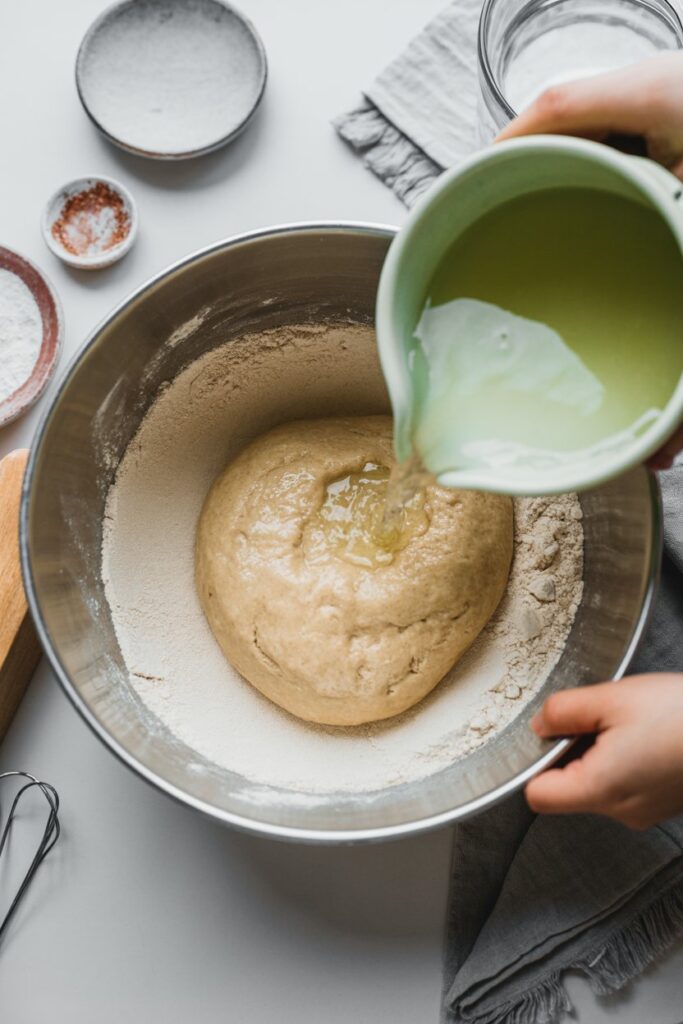
Slowly add water while mixing.
This step is important.
You want to avoid:
- Adding too much water too quickly
- Creating a sticky mixture
Instead, aim for a dough that starts to come together slowly.
Step 3: Knead the Dough
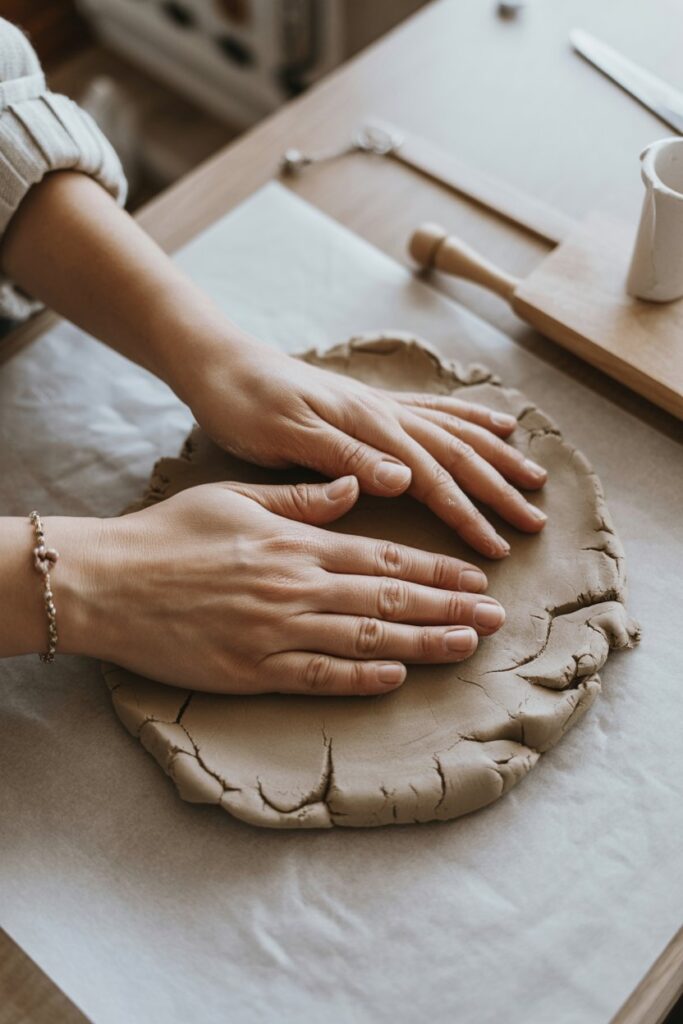
Once the mixture forms a dough, transfer it to a flat surface.
Knead for about 5–10 minutes.
This step helps:
- Smooth the texture
- Improve flexibility
- Reduce cracking later
Step 4: Adjust the Texture
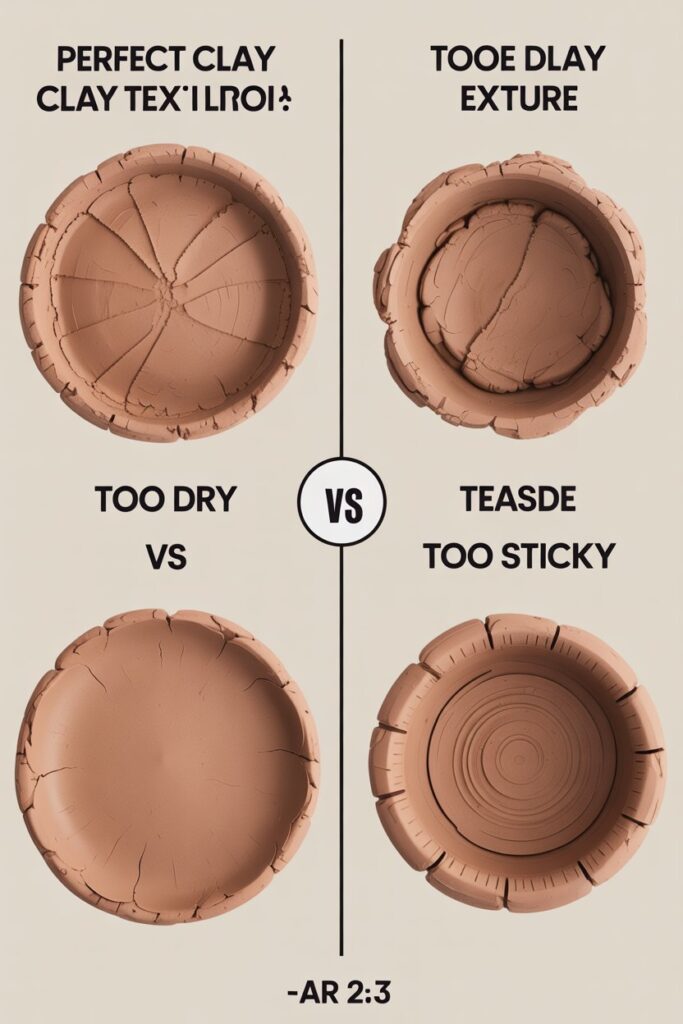
At this point, check how the dough feels.
- Too dry → add a small amount of water
- Too sticky → add a little flour
The ideal texture should feel like soft modeling dough.
Step 5: Let the Dough Rest
This is a step many people skip, but it makes a difference.
Let the dough rest for 10–15 minutes.
This allows the ingredients to fully combine and improves workability.
How to Know If Your Clay Is Perfect
From my experience, the texture should be:
- Smooth and slightly firm
- Easy to shape without sticking
- Flexible without cracking
If it feels too stiff or crumbly, it needs a bit more moisture.
If it sticks to your hands, it needs more flour.
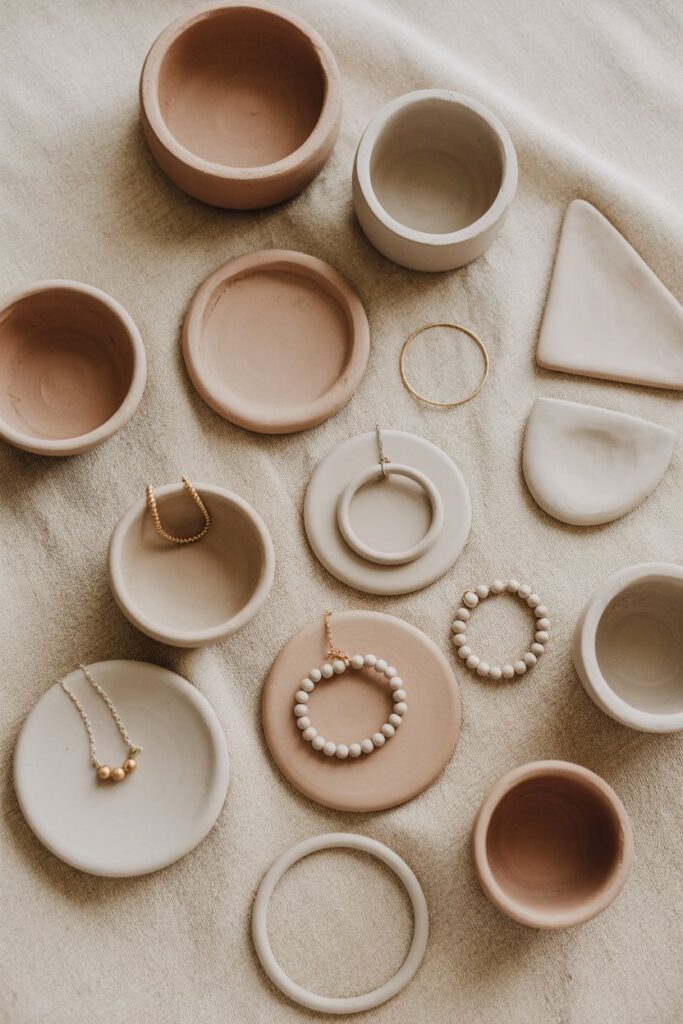
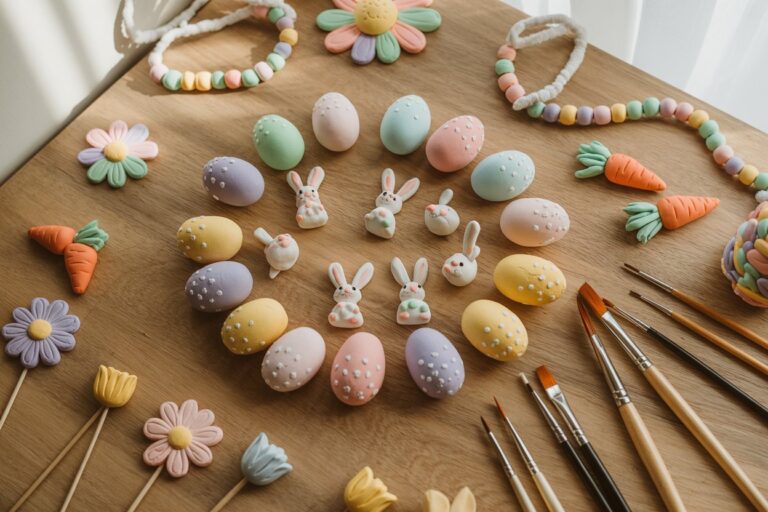
What You Can Make with Air Dry Clay
Once your clay is ready, there are plenty of simple projects you can try.
Some ideas include:
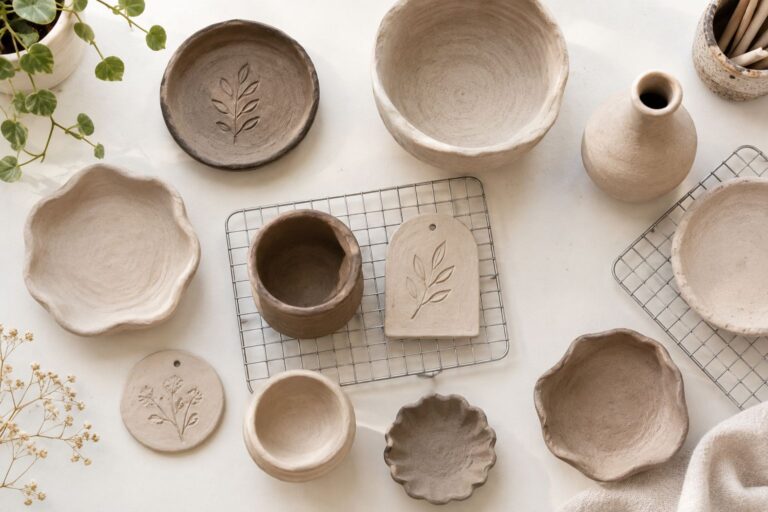
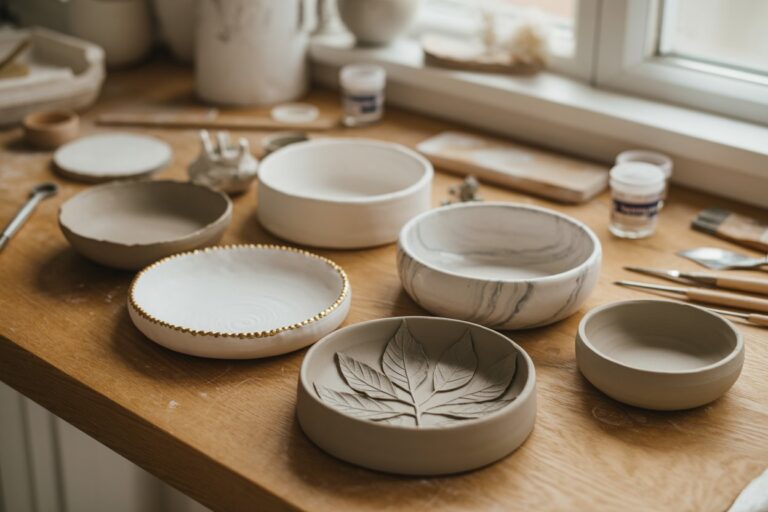
- Small bowls and trays
- Coasters
- Jewelry (earrings, pendants)
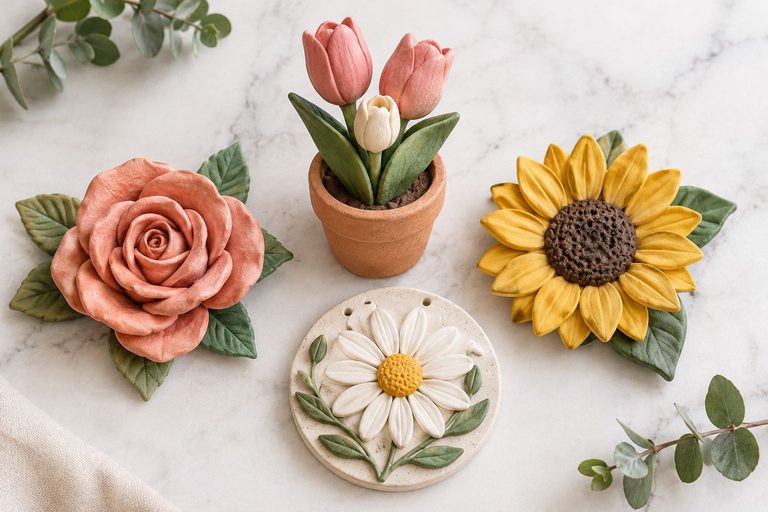
- Decorative ornaments
- Minimalist home decor pieces
If you’re new, I recommend starting with smaller, simple shapes.
Air Drying vs Baking: What You Should Know
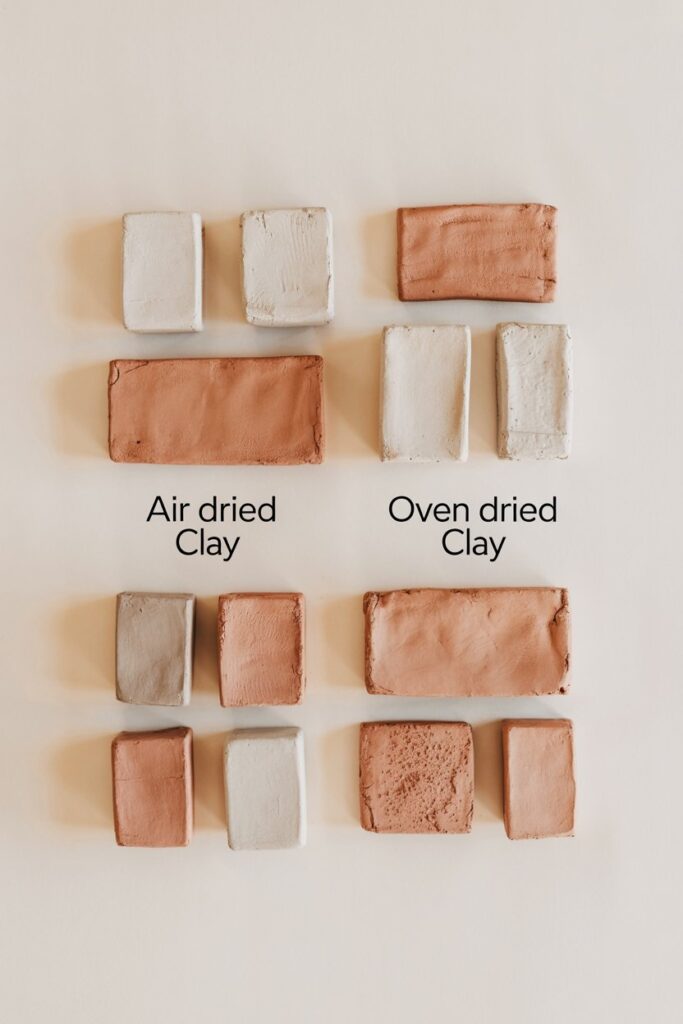
Even though this is air dry clay, some people still choose to bake it.
Here’s how I decide:
Air Drying (Recommended)
- Takes 24–48 hours
- More natural finish
- Lower risk of cracking if done slowly
Baking (Optional)
- Faster drying time
- Slightly stronger finish
- Needs low heat and monitoring
For most projects, air drying works perfectly fine.
How to Make Air Dry Clay Stronger and More Durable
One of the first problems I ran into when making clay at home was durability.
The clay looked good at first, but after drying, some pieces would crack or feel too fragile.
After testing different methods, here’s what actually works.
Add Glue for Strength
Mixing in 1–2 tablespoons of white glue makes a noticeable difference.
It helps:
- Bind the ingredients better
- Reduce cracking
- Improve overall durability
If you plan to make items like bowls or jewelry, I highly recommend this step.
Use a Small Amount of Oil
Adding a little vegetable oil helps improve flexibility.
This makes the clay:
- Easier to shape
- Less likely to dry out too quickly
- Smoother in texture
Keep the Thickness Even
Uneven pieces dry unevenly.
This is one of the main reasons cracks appear.
Try to:
- Roll clay evenly
- Avoid very thick sections
Especially for flat items like coasters or trays.
Let It Dry Slowly
Drying too quickly can cause surface cracks.
From experience, the best approach is:
- Let pieces air dry naturally
- Flip them occasionally for even drying
Patience here really improves the final result.
Common Mistakes to Avoid
These are mistakes I made early on, and fixing them made a huge difference.
Adding Too Much Water
This turns the clay sticky and difficult to handle.
Always add water gradually.
Skipping the Kneading Step
Kneading improves texture more than most people realize.
If you skip it, the clay may feel rough or crack easily.
Not Letting the Dough Rest
Resting allows the ingredients to fully absorb moisture.
It’s a small step that improves workability.
Making Pieces Too Thick
Thicker pieces:
- Take longer to dry
- Crack more easily
Try to keep your designs simple and evenly shaped.
Drying Too Fast with High Heat
If you choose to bake your clay, keep the temperature low.
High heat can cause:
- Cracking
- Warping
- Uneven drying
How to Paint and Seal Air Dry Clay
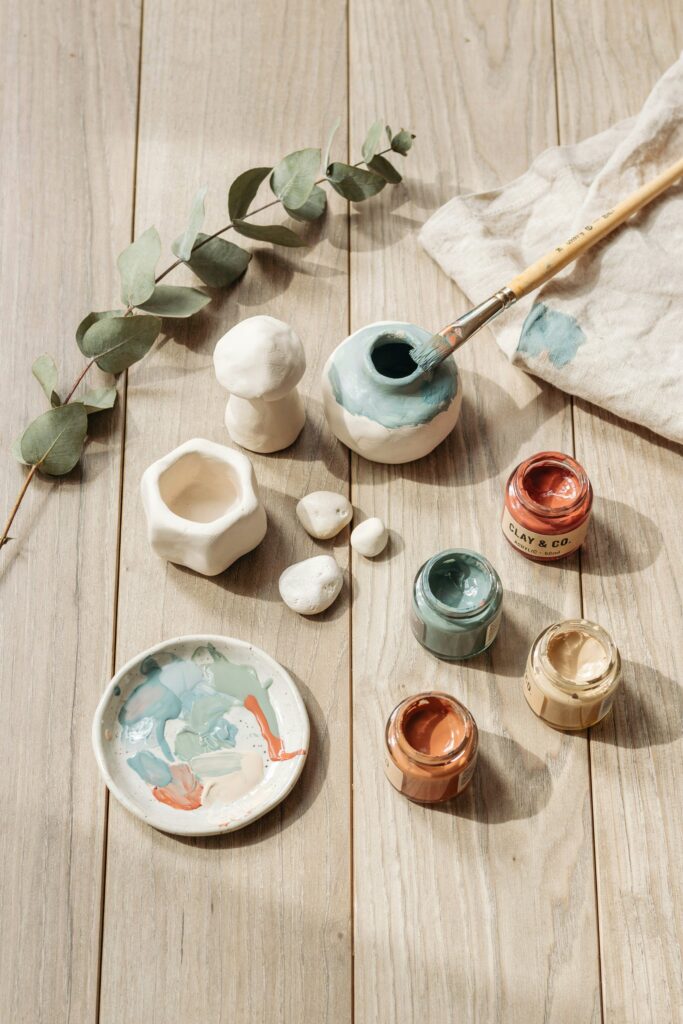
Once your clay is fully dry, you can leave it natural or enhance it.
I’ve tried both, and each gives a different look.
Painting Your Clay
If you want to add color:
- Use acrylic paints
- Apply thin layers
- Let each layer dry before adding more
This helps maintain a clean finish without hiding the texture.
Sealing for Protection
Sealing is important if you want your pieces to last longer.
It helps:
- Protect from moisture
- Improve durability
- Give a polished finish
You can use:
- Clear varnish
- Mod Podge
- Matte or gloss sealers
I usually prefer a matte finish for a more natural look.
Check out more helpful posts:
- How to Make Coffee Clay at Home
- How to Make Cornstarch Clay at Home
- How to Make Salt Dough Clay
- Start Your Air Dry Clay Journey with These 10 Essential Tips
- How to Paint Air Dry Clay
- How to Glaze Air Dry Clay
- How to Seal Air Dry Clay
- DIY Air Dry Clay Fridge Magnets
- Anthropologie-Inspired DIY Air-Dry Clay Trinket Dish Tutorial
- DIY Clay Diffuser Stones
How to Store Homemade Clay Properly
If you don’t use all your clay at once, proper storage is important.
Here’s what works best for me:
- Wrap tightly in plastic wrap
- Place in an airtight container
- Store in a cool, dry place
This keeps the clay usable for several days.
If it starts to dry out:
👉 Add a small amount of water and knead it again
Simple Tips to Make Your Clay Projects Look Better
These small details can make a big difference in your final results.
Smooth the Surface Before Drying
Use your fingers or a simple tool to remove small cracks while the clay is still soft.
Keep Designs Simple
Clean, minimal shapes often look more polished.
Pay Attention to Edges
Neat edges instantly make your work look more refined.
Take Your Time
Rushing the process usually shows in the final result.
Final Thoughts: A Simple DIY That Anyone Can Try
Making air dry clay at home is one of those DIY projects that’s both simple and rewarding.
You don’t need special tools or expensive materials.
Just a few ingredients, a bit of patience, and a willingness to experiment.
What I like most about it is that it’s flexible.
You can keep it basic or improve it over time as you learn what works best for you.
If there’s one thing I’ve learned from making clay at home, it’s this:
👉 The process matters just as much as the ingredients.
Once you understand how to control texture, moisture, and drying, your results improve quickly.
And that’s when your projects really start to look clean, strong, and well-made.


Can you provide the measurements for the clay recipe?